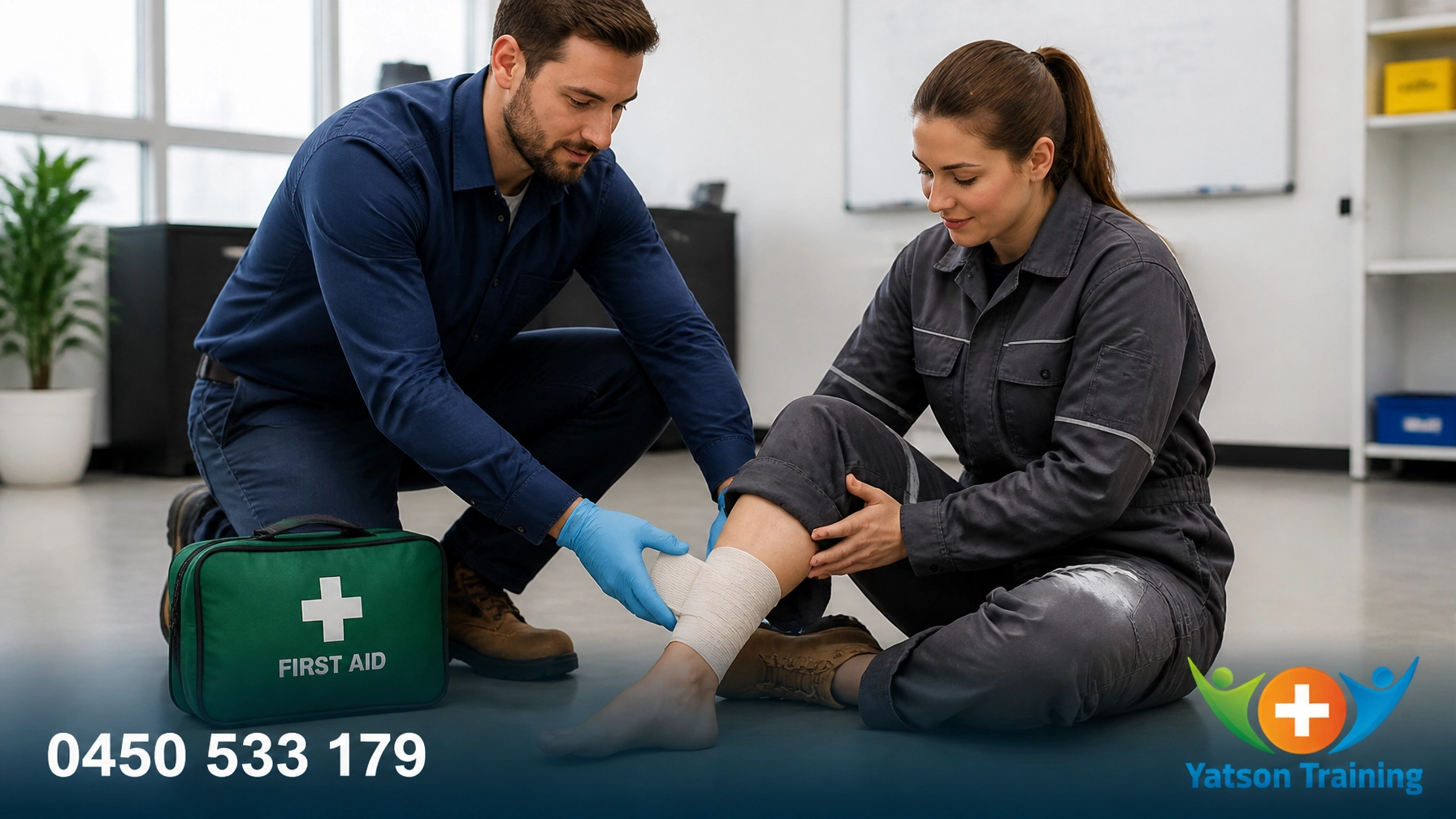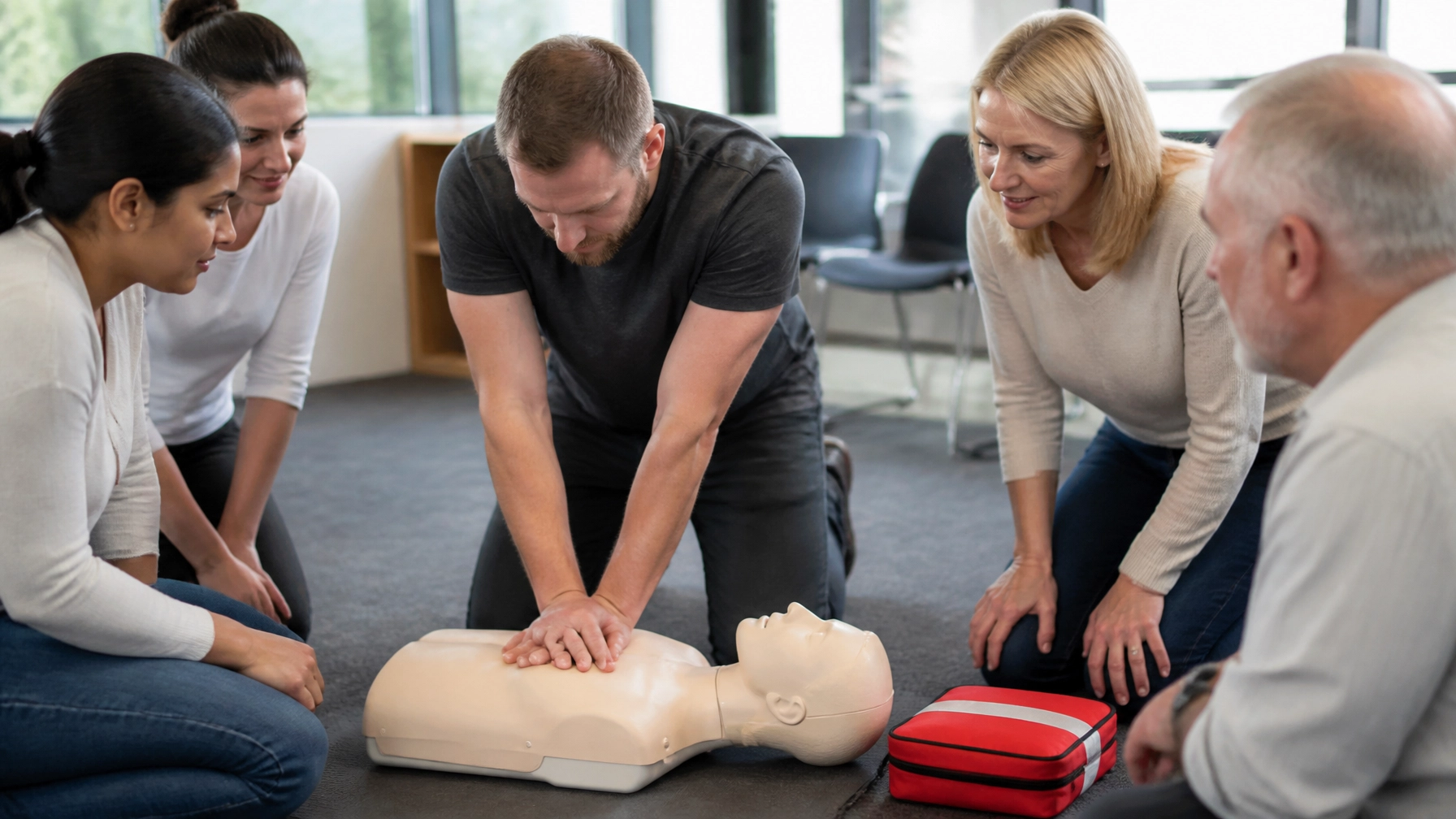
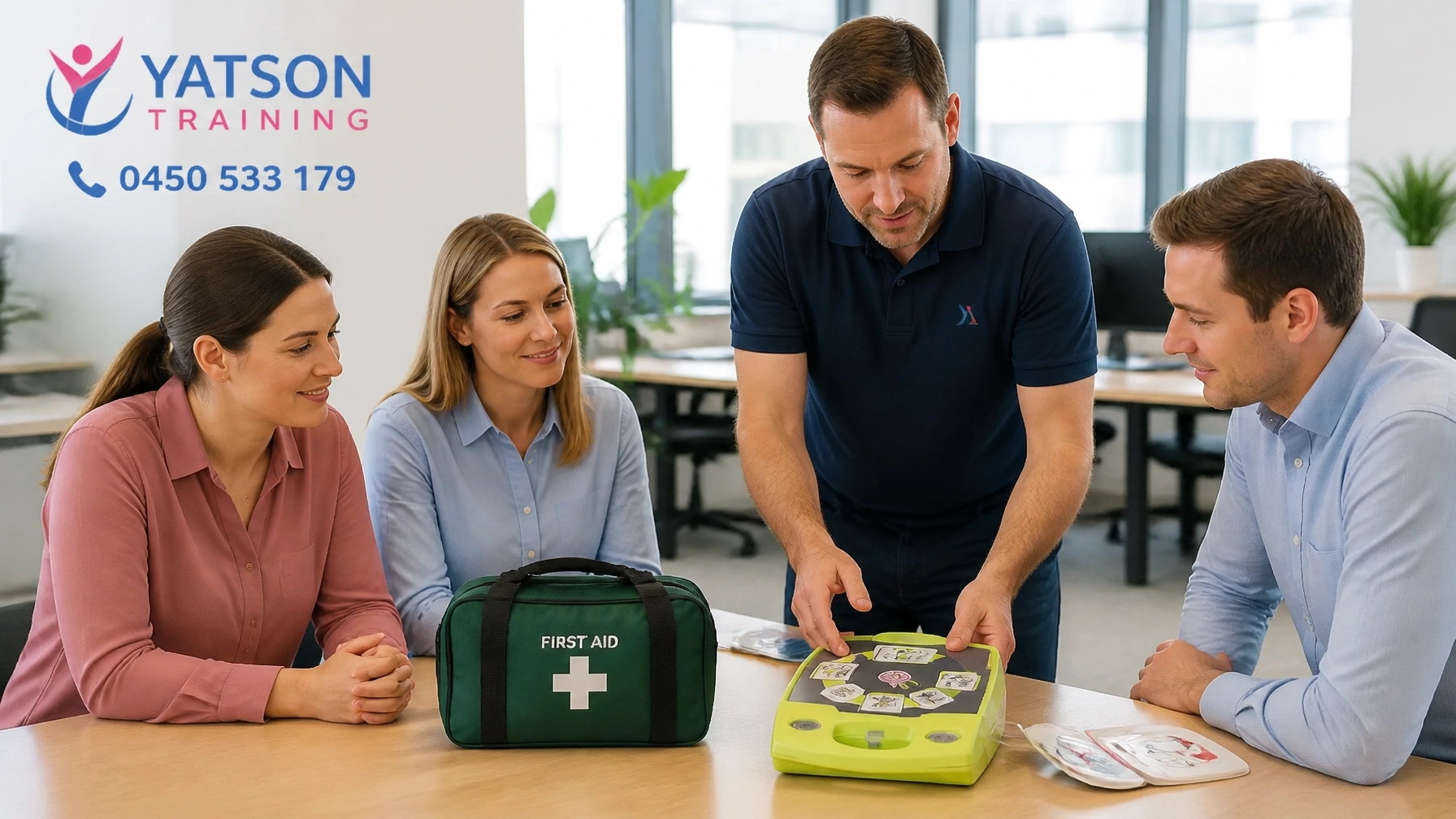
Maintaining a safe workplace in Australia is not just a legal requirement; it is a fundamental part of running a successful business. Whether you operate a small office in Albury, a large construction site in Wodonga, or a busy childcare centre, the health and safety of your team depend on your preparedness. However, many businesses fall into common traps that leave them vulnerable to compliance breaches and, more importantly, put their staff at risk.
At Yatson Training, we see these mistakes every day. From outdated first aid kits to lapsed CPR certifications, these oversights can have serious consequences. This guide outlines the seven most common mistakes Australian businesses make with workplace safety and provides clear, actionable steps to fix them.
What is Workplace Safety all about?
Workplace safety (often referred to as Work Health and Safety or WHS) is the practice of managing risks to the health and safety of everyone in your workplace. This includes employees, contractors, visitors, and customers. The primary function of a robust WHS system is to prevent injuries and illnesses before they occur. It involves identifying hazards, assessing risks, and implementing control measures: such as professional First Aid training and providing appropriate safety equipment.
1. Using a "One-Size-Fits-Fits-All" Approach to Risk
Many businesses purchase a standard first aid kit and assume they are compliant. This is a mistake. Under the Safe Work Australia Code of Practice, you must perform a specific first aid needs assessment.

The Fix:
- Conduct a thorough assessment of your specific workplace hazards (e.g., chemicals, heavy machinery, or thermal stress).
- Consider the size and physical layout of your site.
- Evaluate the distance to the nearest hospital or emergency services.
- Determine if you need specialised training, such as the Childcare First Aid course HLTAID012 for early childhood environments.
2. Having Inadequate First Aider Coverage
A common error is appointing only one or two first aiders without considering shifts, leave, or multiple locations. If your only trained first aider is away on sick leave when an accident happens, your business is not compliant.
The Fix:
- Maintain a ratio of at least one first aider for every 50 workers in low-risk workplaces.
- Appoint one first aider for every 25 workers in high-risk environments (like construction or manufacturing).
- Ensure coverage for all shifts, including night shifts and overtime.
- Check that first aiders are easily accessible (within a two-minute reach) from any point in the workplace.
- Calculate your specific needs using our guide on how to calculate first aid ratios.
3. Letting First Aid and CPR Qualifications Lapse
Your staff may have been trained three years ago, but skills fade quickly. In Australia, the industry standard is to renew your HLTAID011 Provide First Aid certificate every three years. However, CPR skills require more frequent attention.

The Fix:
- Schedule annual CPR refreshers for all designated first aiders.
- Track expiry dates in a centralised register (a simple spreadsheet or HR software).
- Book your next HLTAID009 Provide CPR certification well before the current ones expire.
- Call Yatson Training on 0450 533 179 to arrange group training at your Albury / Wodonga premises.
4. Neglecting First Aid Kit Maintenance
A first aid kit is not a "set and forget" item. We often find kits with missing items, used bandages that haven't been replaced, or: most commonly: expired sterile components.
The Fix:
- Designate a specific person (a "Kit Warden") to inspect all kits monthly.
- Check use-by dates on saline solutions, antiseptic wipes, and sterile dressings.
- Replenish any items immediately after use.
- Ensure kits are clearly marked with a white cross on a green background and are never locked away or obstructed.
5. Treating WHS as "Just Paperwork"
Compliance is more than just having a manual on a shelf. If your employees don't know how to act during an emergency, the paperwork won't save a life. Many businesses fail to bridge the gap between policy and practice.
The Fix:
- Integrate safety into daily operations (sensory experience: the clicking sound of a correctly buckled harness or the distinct smell of a well-maintained workshop).
- Conduct regular emergency drills (fire, medical emergency, or chemical spill).
- Consult with your workers regularly to identify new hazards.
- Provide hands-on, interactive training rather than just online slide-based courses.
6. Ignoring Psychosocial Hazards
Modern Australian WHS laws now explicitly include the management of mental health risks. Ignoring workplace stress, bullying, or traumatic incidents is a major mistake that can lead to high staff turnover and legal liability.
The Fix:
- Identify sources of workplace stress or conflict.
- Implement policies that support mental well-being.
- Consider Mental Health First Aid training for your supervisors.
- Encourage an open culture where safety concerns: both physical and mental: can be reported without fear.
7. Over-reliance on Emergency Services
"The hospital is only five minutes away, we don't need a defibrillator." This is one of the most dangerous myths in workplace safety. In a cardiac arrest, every minute without CPR and defibrillation reduces the chance of survival by 10%.

The Fix:
- Install an Automated External Defibrillator (AED) in your workplace.
- Train your staff to use it (it is a simple, guided process).
- Recognise that your team is the "First Responder" (the person who acts in the critical minutes before the ambulance arrives).
- Focus on building life-saving skills that empower your staff to act decisively.
Our Recommendation
At Yatson Training, we recommend a proactive approach to safety. Don't wait for an audit or, worse, an accident to find the holes in your safety plan. We suggest conducting a "First Aid Audit" every six months. This includes checking your kit contents, verifying staff certification dates, and ensuring your AED is functional.
Professional Corporate First Aid training is the most effective way to ensure your team is ready. We provide flexible, hands-on training tailored to your industry right here in Albury / Wodonga.
Keep in Mind
- Compliance is mandatory: Failing to meet WHS standards can result in heavy fines for both the business and individual directors.
- Training saves money: Well-trained staff reduce the likelihood of accidents, which lowers workers' compensation premiums and prevents costly downtime.
- Skills fade: If you haven't practiced a bandage or a chest compression in a year, you are likely to hesitate in a real emergency.

Frequently Asked Questions
Is it a legal requirement to have a trained first aider?
Yes. Australian WHS regulations require businesses to ensure that an adequate number of workers are trained to administer first aid or that workers have access to an adequate number of other people who have been trained.
How often should we update our First Aid training?
The HLTAID011 Provide First Aid qualification should be renewed every three years. The CPR component (HLTAID009) should be refreshed every 12 months to maintain competency and compliance.
Do small offices in Albury / Wodonga really need an AED?
While not always legally mandated for low-risk offices, having an AED is highly recommended. Cardiac arrest can happen to anyone, and having a defibrillator on-site significantly increases survival rates.
Can Yatson Training come to our workplace?
Absolutely. We specialise in Corporate First Aid training and can bring our hands-on, interactive sessions directly to your office or worksite in the Albury / Wodonga region.
Ready to secure your workplace safety?
Don't leave your compliance to chance. Ensure your team has the life-saving skills they need to handle any emergency.
For professional Workplace First Aid certification or to book a Childcare First Aid course HLTAID012, telephone Yatson Training today.
Contact Us:
- Phone: 0450 533 179
- Website: yatsontraining.com.au
- Follow us for tips: Facebook | Instagram
Call us now at 0450 533 179 to book your next session!
#FirstAidTraining #AlburyWodonga #WorkplaceSafety #HLTAID011 #CPR #CorporateTraining #WHSCompliance #LifeSavingSkills
{“@type”:”BlogPosting”,”image”:”https://cdn.marblism.com/Wx2vr6U-ozH.webp”,”author”:{“name”:”Yatson Training”,”@type”:”Organization”},”@context”:”https://schema.org”,”headline”:”7 Mistakes You’re Making with Australian Workplace Safety (and How to Fix Them)”,”publisher”:{“logo”:{“url”:”https://cdn.marblism.com/cmu0yKFTXQ6.png”,”@type”:”ImageObject”},”name”:”Yatson Training”,”@type”:”Organization”},”mainEntity”:{“@type”:”FAQPage”,”mainEntity”:[{“name”:”Is it a legal requirement to have a trained first aider?”,”@type”:”Question”,”acceptedAnswer”:{“text”:”Yes. Australian WHS regulations require businesses to ensure that an adequate number of workers are trained to administer first aid.”,”@type”:”Answer”}},{“name”:”How often should we update our First Aid training?”,”@type”:”Question”,”acceptedAnswer”:{“text”:”HLTAID011 should be renewed every 3 years, while CPR (HLTAID009) should be refreshed every 12 months.”,”@type”:”Answer”}}]},”articleBody”:”Maintaining a safe workplace in Australia is not just a legal requirement; it is a fundamental part of running a successful business. Whether you operate a small office in Albury, a large construction site in Wodonga, or a busy childcare centre, the health and safety of your team depend on your preparedness. This guide outlines the seven most common mistakes Australian businesses make with workplace safety and provides clear, actionable steps to fix them. Mistake 1: Using a ‘One-Size-Fits-All’ Approach to Risk. Mistake 2: Having Inadequate First Aider Coverage. Mistake 3: Letting First Aid and CPR Qualifications Lapse. Mistake 4: Neglecting First Aid Kit Maintenance. Mistake 5: Treating WHS as ‘Just Paperwork’. Mistake 6: Ignoring Psychosocial Hazards. Mistake 7: Over-reliance on Emergency Services.”,”description”:”Discover the 7 most common workplace safety mistakes in Australia and learn how to fix them. Ensure your Albury / Wodonga business remains compliant with professional First Aid training.”,”datePublished”:”2026-05-31″}