
What is Workplace Risk Assessment all about?
A workplace risk assessment is a systematic process used to identify potential hazards, evaluate the level of risk those hazards pose, and implement measures to control or eliminate them. (A hazard is anything with the potential to cause harm, while risk is the likelihood of that harm actually occurring.) Think of it as the foundation of your entire health and safety system. Its primary function is to protect your workers, visitors, and business from avoidable injury or illness.
In Australia, particularly under the Work Health and Safety (WHS) Act, conducting thorough risk assessments is not just a "good idea", it is a legal requirement. Whether you are running a small cafe in Wodonga or a large manufacturing plant in Albury, you must ensure your environment is safe. However, many businesses treat this process as a chore rather than a vital safety tool. This leads to common errors that can leave your team vulnerable and your business liable.
At Yatson Training, we see the results of both good and bad safety planning every day. While our HLTAID011 Provide First Aid courses teach you how to respond when things go wrong, a solid risk assessment is your best tool for ensuring things go right in the first place.
1. Treating it as a "Tick-Box" Exercise
The most frequent mistake businesses make is treating a risk assessment like a piece of annoying admin. You download a generic template, tick a few boxes, and file it away in a drawer (or a dusty digital folder) never to be seen again. When you do this, the assessment does nothing to actually improve safety. It becomes a "paper exercise" that fails to reflect the physical reality of your workplace.
How to fix it:
- Use the assessment as a live tool to actively manage safety.
- Walk the floor and observe how tasks are actually performed (not just how they are "supposed" to be done).
- Focus on the quality of the observation rather than the quantity of the paperwork.
- Link every identified risk to a practical, real-world control measure.
2. Ignoring Psychosocial and Health Hazards
Many managers focus solely on obvious physical hazards, like wet floors (slips) or high shelves (falls). However, modern WHS standards in Australia now place a heavy emphasis on psychosocial hazards. These include workplace stress, fatigue, bullying, and poor job design. Ignoring these is a major compliance mistake that can lead to significant mental health issues and lost productivity.
How to fix it:
- Incorporate mental health and wellbeing into your standard risk assessment.
- Evaluate workload, role clarity, and support systems.
- Assess environmental health hazards like noise, vibration, and chemical exposure (sensory experiences that are often overlooked until they cause chronic issues).
- Include these topics in your Corporate First Aid training discussions to ensure your first aid officers are prepared to support mental health crises.

3. Failing to Consult the Team
A risk assessment should never be a one-person show conducted from the safety of an office desk. If you don't talk to the people who are actually doing the work, you will miss the "hidden" hazards. Workers often find clever, but potentially dangerous, workarounds for difficult tasks that a manager might never notice.
How to fix it:
- Consult with your workers and Health and Safety Representatives (HSRs).
- Ask open-ended questions like, "What is the most frustrating part of this task?" or "Have you ever had a 'near miss' here?"
- Involve different departments to get a 360-degree view of the workplace.
- Ensure that those conducting the assessment are competent (meaning they have the training and experience to identify hazards accurately).
4. Skipping the Hierarchy of Control
When a risk is identified, the temptation is to jump straight to the easiest solution: Personal Protective Equipment (PPE). Telling someone to "wear gloves" or "put on a mask" is common, but it is often the least effective way to manage a risk. PPE relies on human behaviour and can fail easily.
How to fix it:
- Follow the Hierarchy of Control strictly.
- Eliminate: Can you remove the hazard entirely?
- Substitute: Can you replace a dangerous chemical with a safer one?
- Isolate: Can you put a barrier between the worker and the hazard?
- Engineering: Can you redesign the tool or workstation?
- Administrative: Use training and signs.
- PPE: Use this only as a last resort or a secondary backup.
5. Vague or Generalised Descriptions
Writing "manual handling" as a hazard is not helpful. It doesn't tell the worker what the danger is or how to avoid it. Vague descriptions lead to vague controls. If your risk assessment says "use caution," you haven't actually provided a control; you've just stated the obvious.
How to fix it:
- Be specific about the "how" and "where."
- Instead of "manual handling," write: "Risk of lower back strain when lifting 20kg boxes from the floor to the packing bench."
- Define the controls clearly: "Use the hydraulic lift table for all boxes over 15kg."
- Use imperative verbs: "Check," "Apply," "Lift," "Secure."

6. Forgetting Contractors and Visitors
Your duty of care extends beyond your full-time employees. A common mistake is failing to account for how your hazards affect contractors (like cleaners or maintenance crews), customers, or even neighbouring businesses. If a contractor trips on a loose cable in your office, you are still responsible.
How to fix it:
- Identify everyone who might enter the workspace.
- Review your induction process to ensure it covers the specific risks found in your latest assessment.
- Coordinate with other "duty holders" if you share a workspace (e.g., in a shopping centre or shared office block).
- Ensure your Workplace First Aid certification accounts for the total number of people on-site, including visitors.
7. The "Set and Forget" Mentality
Workplaces are dynamic. You buy new equipment, change your floor layout, or hire new staff. A risk assessment completed in 2022 is likely useless in 2026. Failing to review your assessments regularly is a major compliance gap that SafeWork inspectors will look for.
How to fix it:
- Set a mandatory review date (at least annually).
- Trigger a new assessment immediately after any "notifiable incident" or "near miss."
- Review the assessment whenever you introduce a new process, piece of machinery, or chemical.
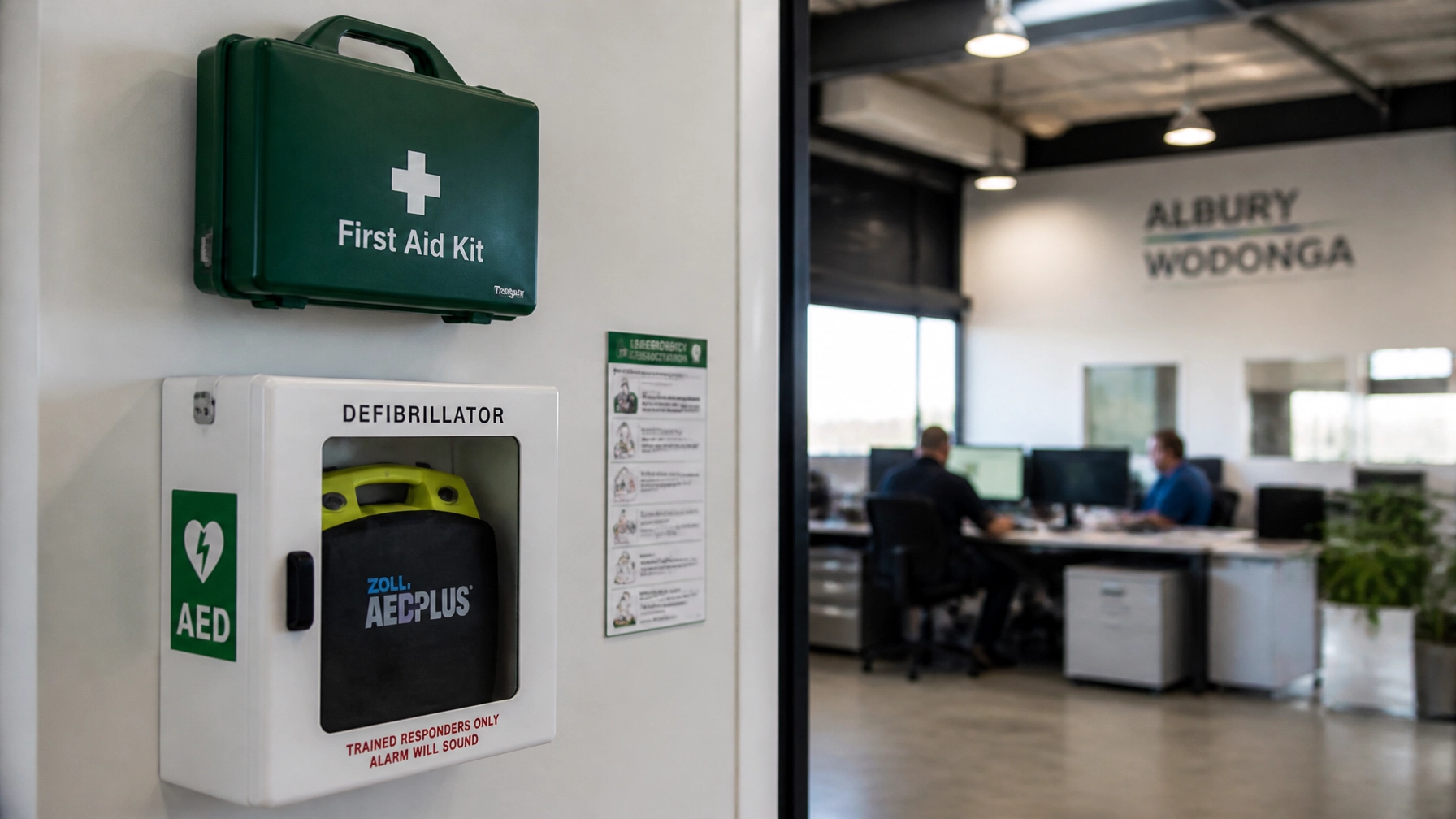
- Check that your current first aid equipment is still appropriate for the risks identified.
Keep in Mind
Our recommendation is to treat risk assessment as an investment, not a cost. While it takes time to sit down and walk through these steps, the cost of a workplace injury, both in human terms and financial penalties, is significantly higher.
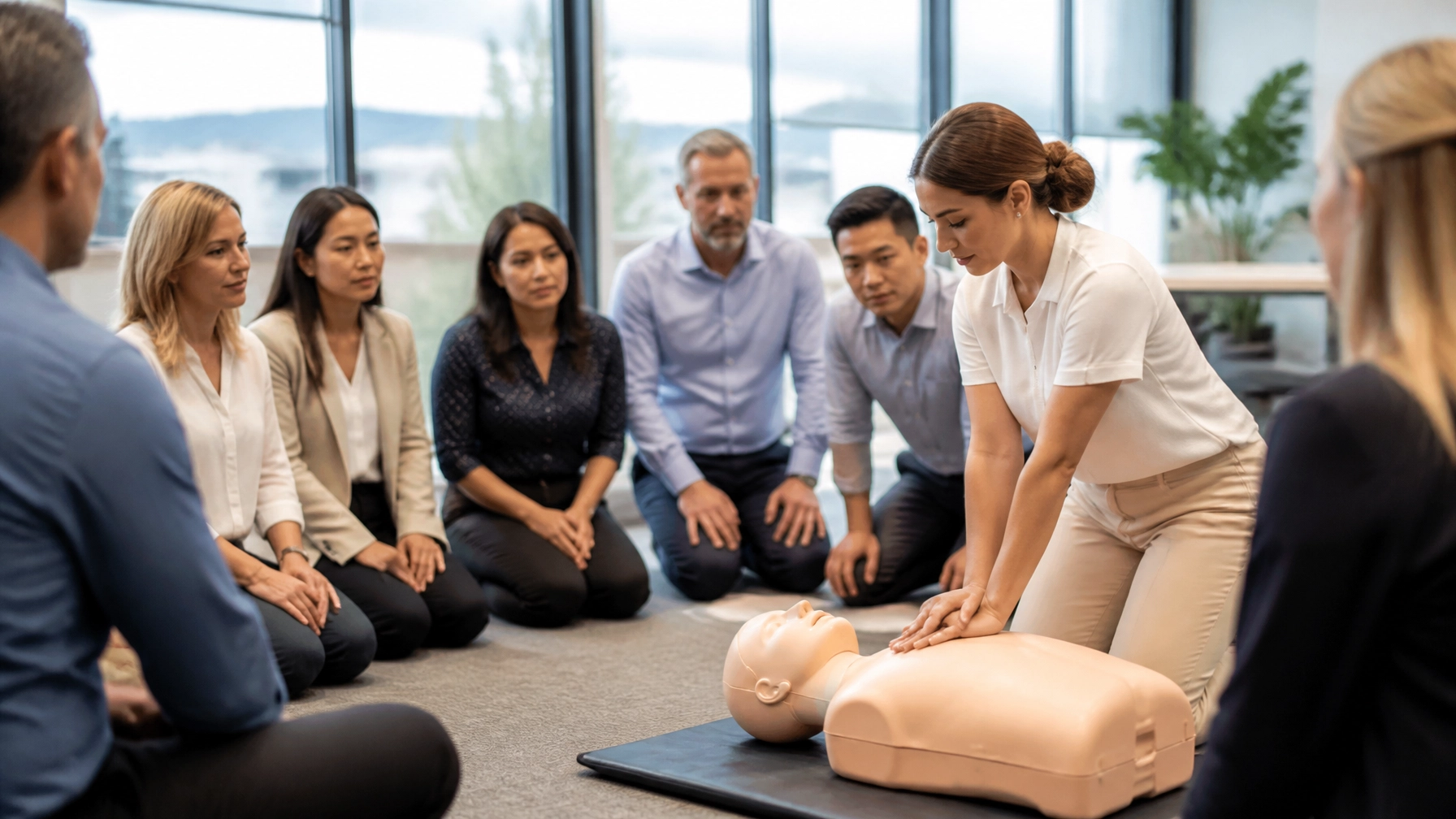
Remember, even the best risk assessment cannot eliminate all possibilities of injury. That is why having a team trained in Life-saving skills is your final, essential layer of protection. Whether you need a Childcare First Aid course HLTAID012 for your daycare centre or a standard CPR refresher for your office, Yatson Training provides hands-on, interactive sessions that go beyond the manual.

Frequently Asked Questions
How often should I conduct a workplace risk assessment?
You should conduct a full assessment at least once a year. However, you must also review it whenever there are changes to your workplace, such as new staff, new equipment, or after any safety incident.
Do I need a professional to do my risk assessment?
While you can do it yourself, you must be "competent." This means you need the knowledge and experience to recognise hazards. For many Albury / Wodonga businesses, bringing in a professional or ensuring your staff have advanced First Aid Training helps build that competence.
Is a risk assessment different for a home office?
Yes, but the principle is the same. If you or your employees work from home, you still have a duty to ensure the "workplace" (even the spare bedroom) is safe, focusing on ergonomics, electrical safety, and mental health.
What is the most important part of a risk assessment?
The "Control" phase. Identifying hazards is useless if you don't take concrete steps to fix them. Always prioritise the Hierarchy of Control to find the most effective solution.
Book Your Training Today
Don't wait for an accident to happen before you take safety seriously. Yatson Training offers flexible, hands-on First Aid and CPR training for corporate clients and small groups across the Albury and Wodonga region. Our lead trainer, Jackie Hislop (a Registered Nurse), ensures your team gains the confidence to act in an emergency.
For all your workplace safety and First Aid needs, telephone Yatson Training on 0450 533 179 or visit our website at yatsontraining.com.au.

Contact Us
- Phone: 0450 533 179
- Website: yatsontraining.com.au
- Location: Serving Albury, Wodonga, and surrounding areas.
Follow Us
Stay updated with the latest safety tips and course dates:
#FirstAidTraining #AlburyWodonga #WorkplaceSafety #HLTAID011 #LearnCPR #WHSCompliance #RiskAssessment #YatsonTraining
{“@type”:”BlogPosting”,”image”:”https://cdn.marblism.com/l8kKFGI330n.webp”,”author”:{“name”:”Yatson Training”,”@type”:”Organization”},”@context”:”https://schema.org”,”headline”:”7 Mistakes You’re Making with Workplace Risk Assessments (and How to Fix Them)”,”publisher”:{“logo”:{“url”:”https://cdn.marblism.com/-8AyRUBMjeY.png”,”@type”:”ImageObject”},”name”:”Yatson Training”,”@type”:”Organization”},”articleBody”:”A workplace risk assessment is a systematic process used to identify potential hazards… (rest of the content)”,”description”:”Learn the 7 most common mistakes businesses make during workplace risk assessments and how to fix them to ensure WHS compliance and worker safety in Albury / Wodonga.”,”datePublished”:”2026-06-12″,”mainEntityOfPage”:{“@id”:”https://yatsontraining.com.au/7-mistakes-workplace-risk-assessments”,”@type”:”WebPage”}}