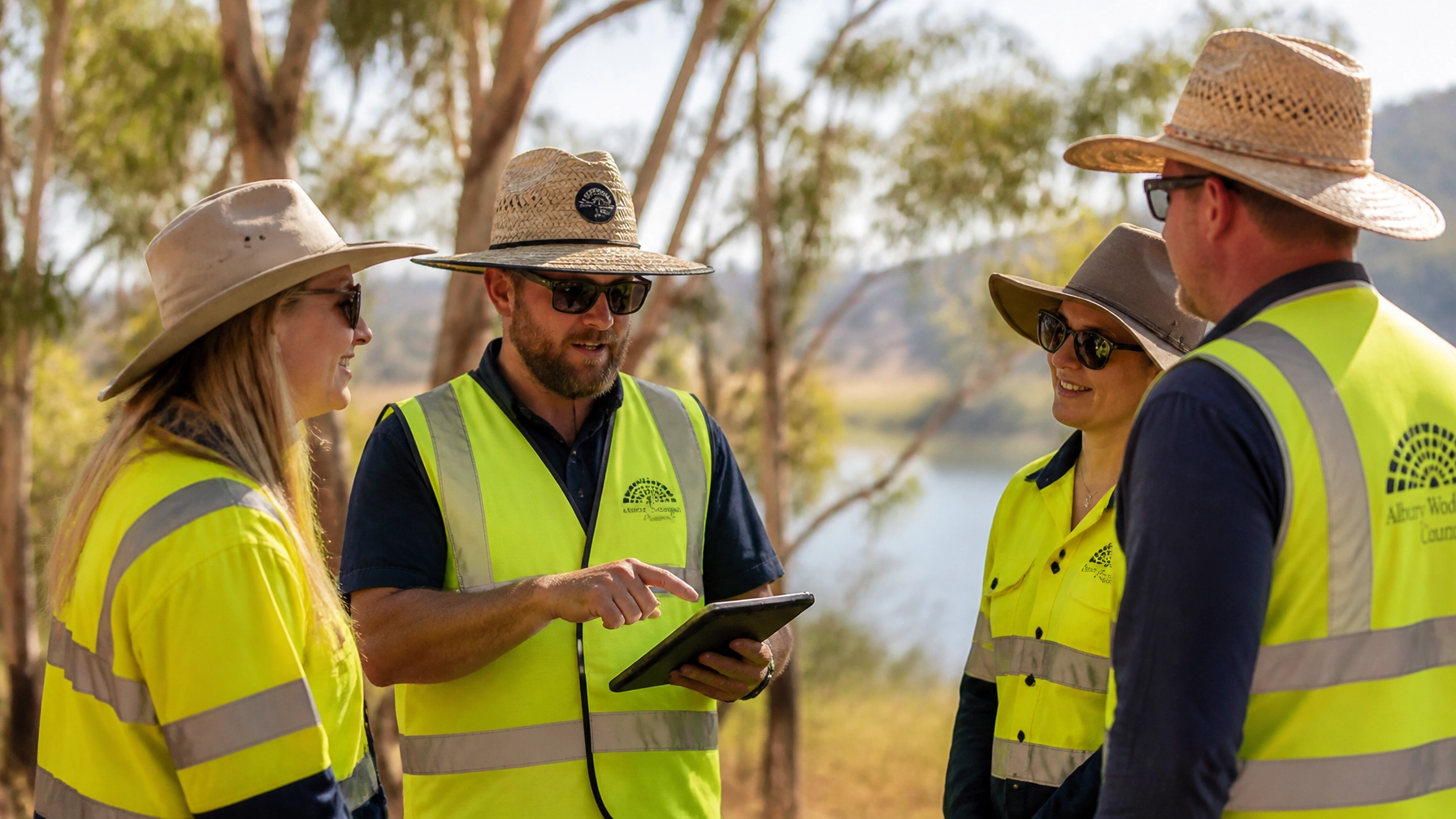
Working outdoors in the Albury-Wodonga region is a daily reality for many local teams. Whether you are maintaining parks, working on a construction site, or managing agricultural land, the risk of encountering a snake is real. Brown snakes and Tiger snakes are common in our local river flats and grasslands. Knowing exactly what to do in the first few minutes after a bite can be the difference between a controlled medical emergency and a tragedy.
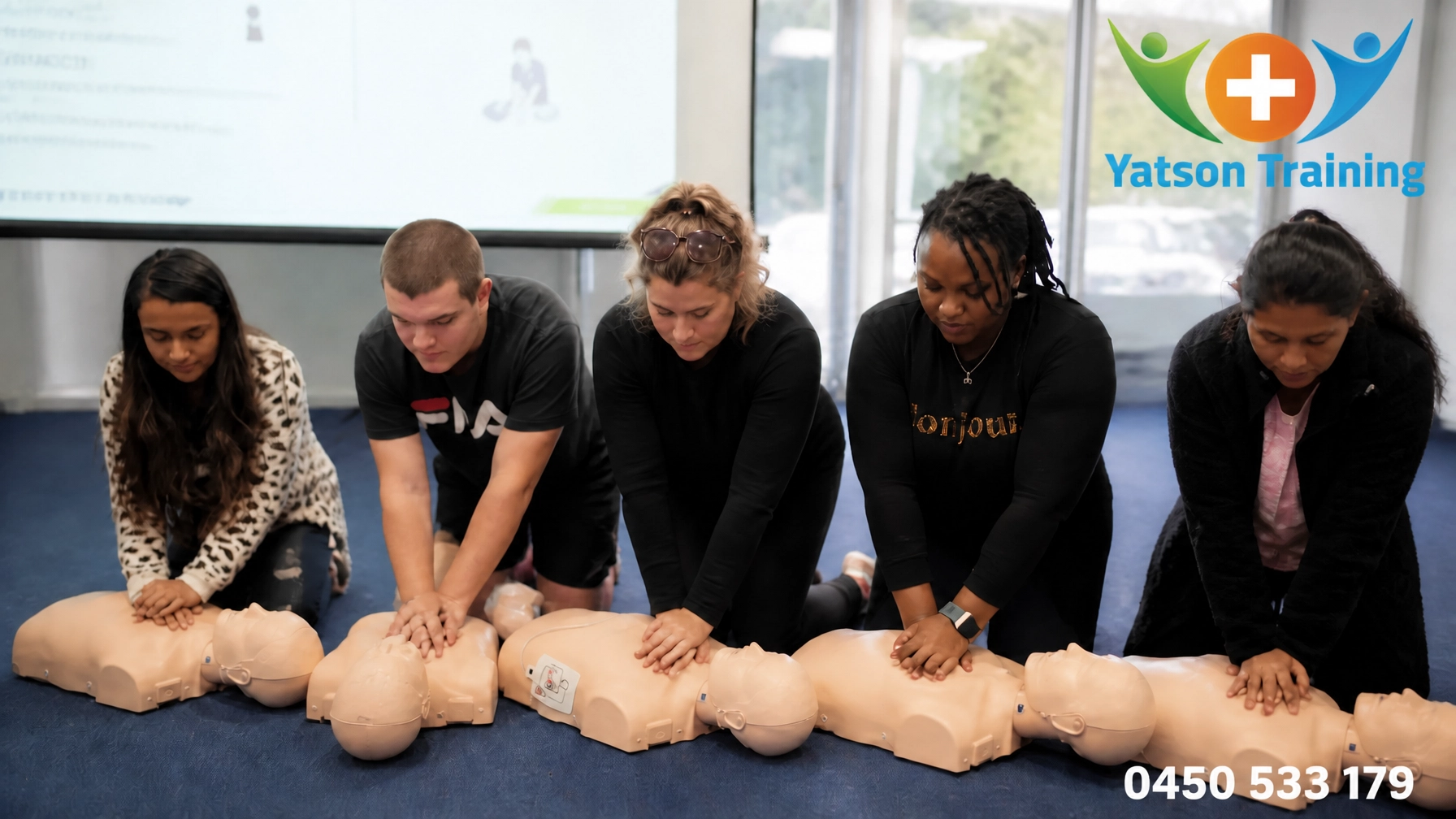
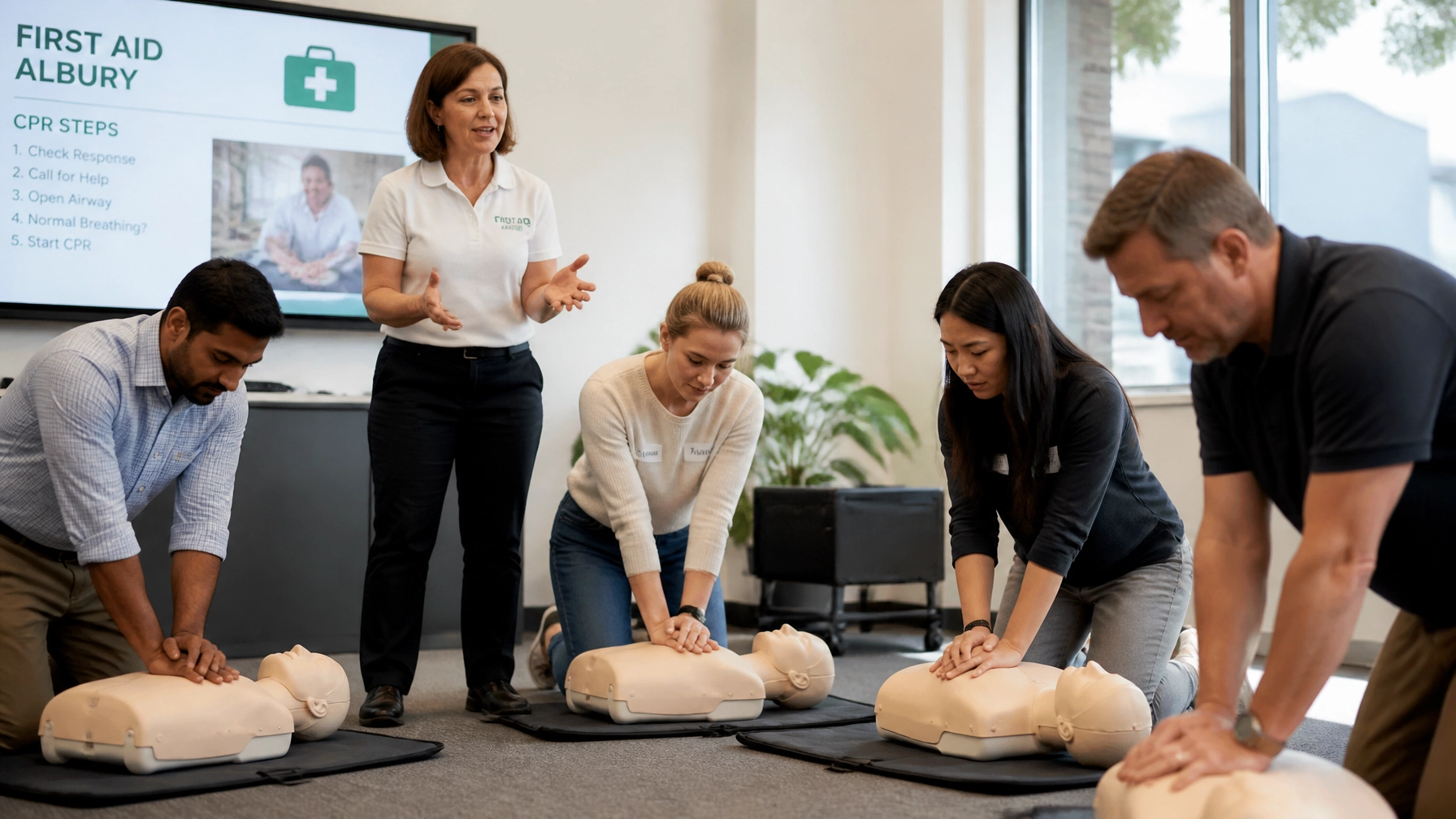
At Yatson Training, we specialise in providing Corporate First Aid training that prepares your team for these specific local risks. Our courses, including the HLTAID011 Provide First Aid, give you the hands-on skills needed to act with confidence.
What is snake bite first aid all about?
Snake bite first aid in Australia is focused entirely on the Pressure Immobilisation Technique (PIT). This method is designed to physically restrict the movement of venom through your lymphatic system (the network of tissues and organs that help rid the body of toxins). Unlike the circulatory system, which is pumped by the heart, the lymphatic system relies on your physical movement to flow. By keeping the casualty still and applying firm pressure, you effectively "trap" the venom in the limb, buying the person valuable time for the ambulance to arrive.
Step 1: Secure the scene and stay still
The very first action is to move the casualty away from the snake to prevent further bites. Do not attempt to catch, kill, or identify the snake.
- Stop all movement. Tell the casualty to sit or lie down immediately.
- Stay calm. (An increased heart rate can speed up the spread of venom).
- Call Triple Zero (000). Ask for an ambulance and provide your exact location.
- Reassure the person. Panic is your enemy in this situation.

Step 2: Apply the first pressure bandage
You must act quickly but methodically. Use a broad (10–15 cm) heavy-weight elasticised roller bandage.
- Apply the bandage directly over the bite site.
- Wrap it firmly. It should be as tight as you would apply to a sprained ankle.
- Do not remove clothing. If the bite is through jeans or work trousers, bandage over the top to avoid moving the limb unnecessarily.
Step 3: Extend the bandage to the entire limb
One bandage is rarely enough. You need to immobilise the entire limb to stop the lymphatic flow.
- Start at the extremities. Begin at the toes (for a leg bite) or fingers (for an arm bite) and wrap upwards.
- Cover the entire limb. Go as far up the limb as possible (to the groin or armpit).
- Check the tension. The bandage should be firm but not so tight that it cuts off blood circulation to the fingers or toes. (Check for warmth and colour in the tips of the digits).
Step 4: Immobilise the limb with a splint
Even with a bandage, any muscle contraction can move venom. You must physically prevent the limb from moving.
- Apply a splint. Use a piece of wood, a tool handle, or even a heavy branch.
- Secure the splint. Use additional bandages or tape to fix the splint to the bandaged limb.
- Immobilise joints. Ensure the splint crosses the joints above and below the bite (e.g., if the bite is on the calf, the splint must secure both the ankle and the knee).

Step 5: Wait for the ambulance
Once the PIT is applied, the casualty must remain completely still.
- Do not let them walk. Even moving to a vehicle can be dangerous.
- Mark the bite site. Use a pen to mark the outside of the bandage where the bite occurred.
- Wait for professional help. Do not remove the bandage under any circumstances; only a doctor in a hospital environment should do this.
What NOT to do
In the heat of the moment, old myths can lead to dangerous mistakes. Follow these strict rules:
- Do not wash the bite site. (Traces of venom on the skin are used by the hospital to identify the snake).
- Do not cut the wound.
- Do not try to suck out the venom.
- Do not apply a tourniquet. (Cutting off blood flow entirely can cause permanent tissue damage).
Our recommendation
Keep a dedicated snake bite kit in every company vehicle and outdoor first aid kit. Standard bandages are often too short or too flimsy to provide the necessary pressure. We recommend heavy-duty, "SMART" bandages that have rectangles printed on them; when stretched to the correct tension, these rectangles become squares, taking the guesswork out of the application.
If your team works in the Albury-Wodonga region, ensure their Workplace First Aid certification is up to date. Managing a snake bite is a practical skill that requires practice under the guidance of an expert like our lead trainer, Jackie Hislop.

Training with Yatson Training
Yatson Training provides flexible, hands-on training for corporate clients and small groups. We don't just tick a box; we ensure you walk away with real, life-saving skills. Whether you need a Childcare First Aid course HLTAID012 or a standard CPR refresher, we come to you or host you at our training facilities.
Contact Us Today
For all your First Aid training needs in Albury / Wodonga, please telephone Yatson Training on 0450 533 179. You can also visit our website at yatsontraining.com.au to book your next session.

Snake Bite First Aid FAQ
Should I try to kill the snake to show the doctor?
No. Never attempt to catch or kill the snake. It puts you at risk of further bites. Australian hospitals use venom detection kits that only require a swab of the bite site or a blood sample to determine the correct antivenom.
How long should I leave the bandage on?
Leave the bandage on until the patient is in a hospital and a doctor is ready to manage the situation. Removing the bandage prematurely can cause a sudden "bolus" (large dose) of venom to enter the bloodstream.
Does a snake bite always hurt?
Not necessarily. Some bites, especially from Brown snakes, can be relatively painless or look like a small scratch. Always treat any suspected bite as a medical emergency.
Where can I learn these skills properly?
The best way to learn CPR in Albury / Wodonga and master the Pressure Immobilisation Technique is to book a course with us.
Follow us for more safety tips:
#FirstAidTraining #AlburyWodonga #WorkplaceSafety #SnakeSafety #HLTAID011 #FirstAidWodonga #CorporateTraining #LifeSavingSkills
{“name”:”How to Handle a Snake Bite Using the Pressure Immobilisation Technique”,”step”:[{“name”:”Secure the scene and stay still”,”text”:”Move the casualty away from the snake. Have them lie down immediately and call 000. Reassure them to keep their heart rate low.”,”@type”:”HowToStep”},{“name”:”Apply the first pressure bandage”,”text”:”Apply a broad heavy-weight elasticised roller bandage directly over the bite site. Wrap it as firmly as you would for a sprained ankle.”,”@type”:”HowToStep”},{“name”:”Extend the bandage to the entire limb”,”text”:”Starting from the fingers or toes, wrap the bandage all the way up the limb to the shoulder or groin to restrict lymphatic flow.”,”@type”:”HowToStep”},{“name”:”Immobilise the limb with a splint”,”text”:”Use a rigid object like a splint to keep the limb completely still. Secure the splint with extra bandages, ensuring joints are immobilised.”,”@type”:”HowToStep”},{“name”:”Wait for medical help”,”text”:”Do not allow the casualty to move. Mark the bite site on the bandage and wait for the ambulance to arrive. Do not remove the bandage.”,”@type”:”HowToStep”}],”tool”:[{“name”:”Heavy-duty elastic roller bandages”,”@type”:”HowToTool”},{“name”:”Splint (wood, branch, or handle)”,”@type”:”HowToTool”},{“name”:”Marker pen”,”@type”:”HowToTool”}],”@type”:”HowTo”,”image”:”https://cdn.marblism.com/lVzqBMlDAaX.webp”,”@context”:”https://schema.org”,”totalTime”:”PT10M”,”description”:”A 5-step guide for outdoor teams in Albury-Wodonga on how to provide first aid for a snake bite using the Pressure Immobilisation Technique (PIT).”}