Winter brings additional risks to workplaces across Albury and Wodonga. Frost, wet surfaces, shorter daylight hours and cold temperatures can affect how safely people move, work and respond to an incident.
Good Winter Safety planning helps prevent injuries. Professional First Aid training gives your staff the practical skills to respond when prevention is not enough.
What is Winter Safety all about?
Winter Safety is the process of identifying and controlling hazards created or increased by cold weather.
These hazards can affect outdoor workers, drivers, warehouse teams, construction crews, office staff and visitors. They can also affect workers who start early, finish late or move between heated and unheated areas.
Your winter risk assessment should consider:
- Hypothermia and cold stress.
- Slips on ice, frost, wet floors and muddy surfaces.
- Reduced daylight, fog and poor visibility.
- Fatigue caused by early starts, long shifts and cold exposure.
- Vehicle and mobile plant risks.
- Manual handling injuries caused by slippery ground or bulky clothing.
- Delays in accessing first aid or emergency services.
Review your workplace controls before the coldest part of the season. Follow the Safe Work Australia guidance on first aid and the SafeWork NSW first aid guidance.
Recognise hypothermia and cold stress
Hypothermia occurs when the body loses heat faster than it can produce it. Cold stress is the physical strain caused by working in cold, wet or windy conditions.
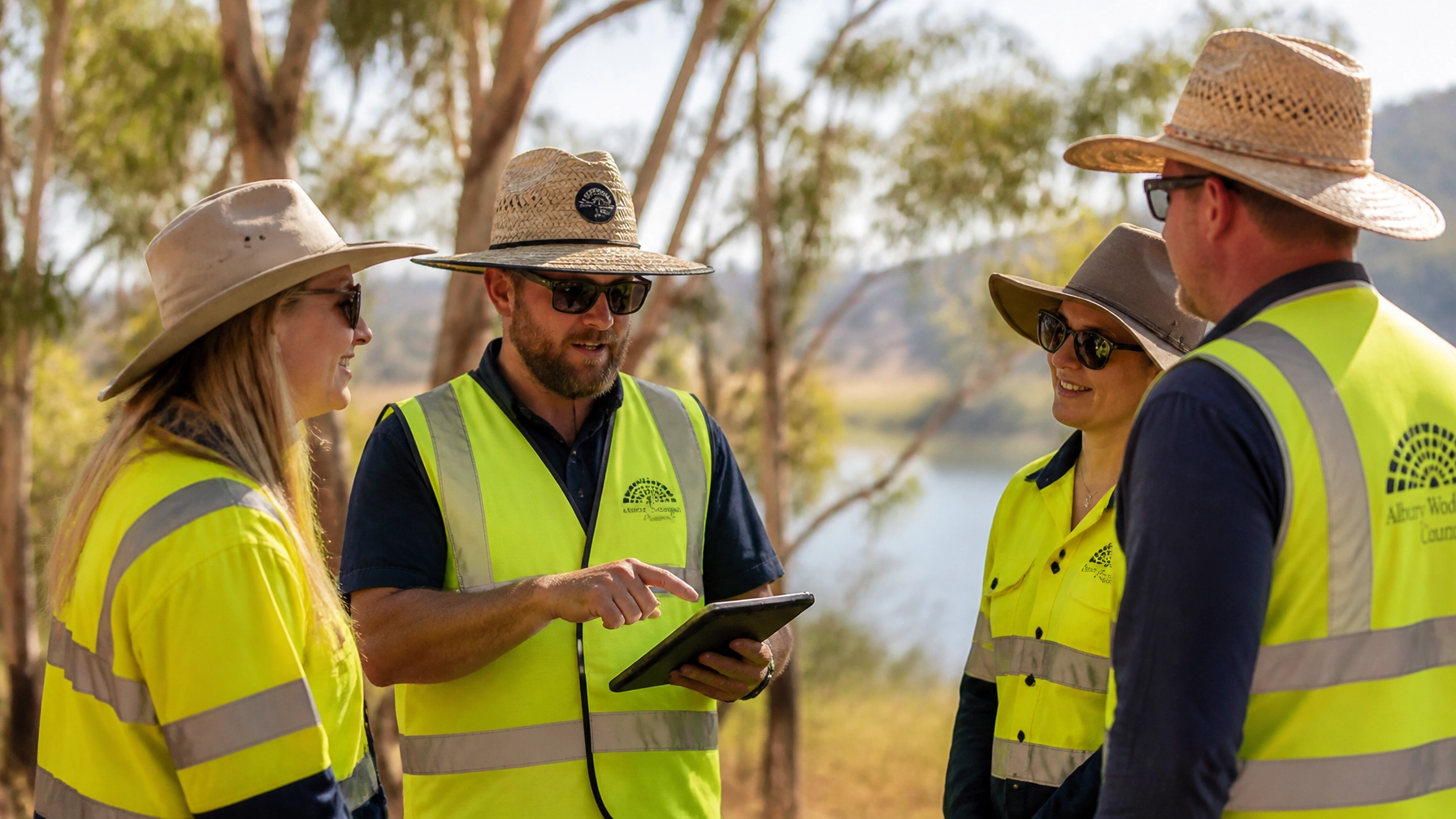
Albury-Wodonga mornings can be particularly cold. Outdoor workers may be exposed to frost, wind and damp clothing before the sun has properly risen.
Watch for these signs:
- Shivering.
- Pale or cold skin.
- Poor coordination.
- Clumsy movements.
- Slurred speech.
- Confusion or unusual behaviour.
- Extreme tiredness.
- Slow or shallow breathing.
- Drowsiness or reduced responsiveness.
Do not assume that a person is fine because they are still standing or speaking. Cold-related impairment can develop gradually. A confused worker may not recognise the seriousness of their condition.
Respond to suspected hypothermia
Follow your trained first aid procedure and use DRSABCD:
- Check the scene for hazards, including traffic, machinery, ice and unstable surfaces.
- Check the person for a response.
- Send someone to call 000 and retrieve the first aid kit and AED.
- Check the airway.
- Check breathing.
- Start CPR if the person is not breathing normally.
- Apply the AED as soon as it is available.
If the person is conscious and breathing normally:
- Move them to a warm, sheltered area if it is safe to do so.
- Remove wet clothing carefully.
- Replace wet clothing with dry layers.
- Wrap the person in blankets or an emergency rescue blanket.
- Keep them still and monitor their breathing and responsiveness.
- Arrange medical assessment, particularly if confusion, drowsiness or severe symptoms are present.
- Avoid direct intense heat, such as placing the person immediately against a heater or applying very hot water bottles.
Use only the first aid actions you have been trained to provide. Do not leave a seriously affected person alone.

Prevent slips on ice, frost and wet surfaces
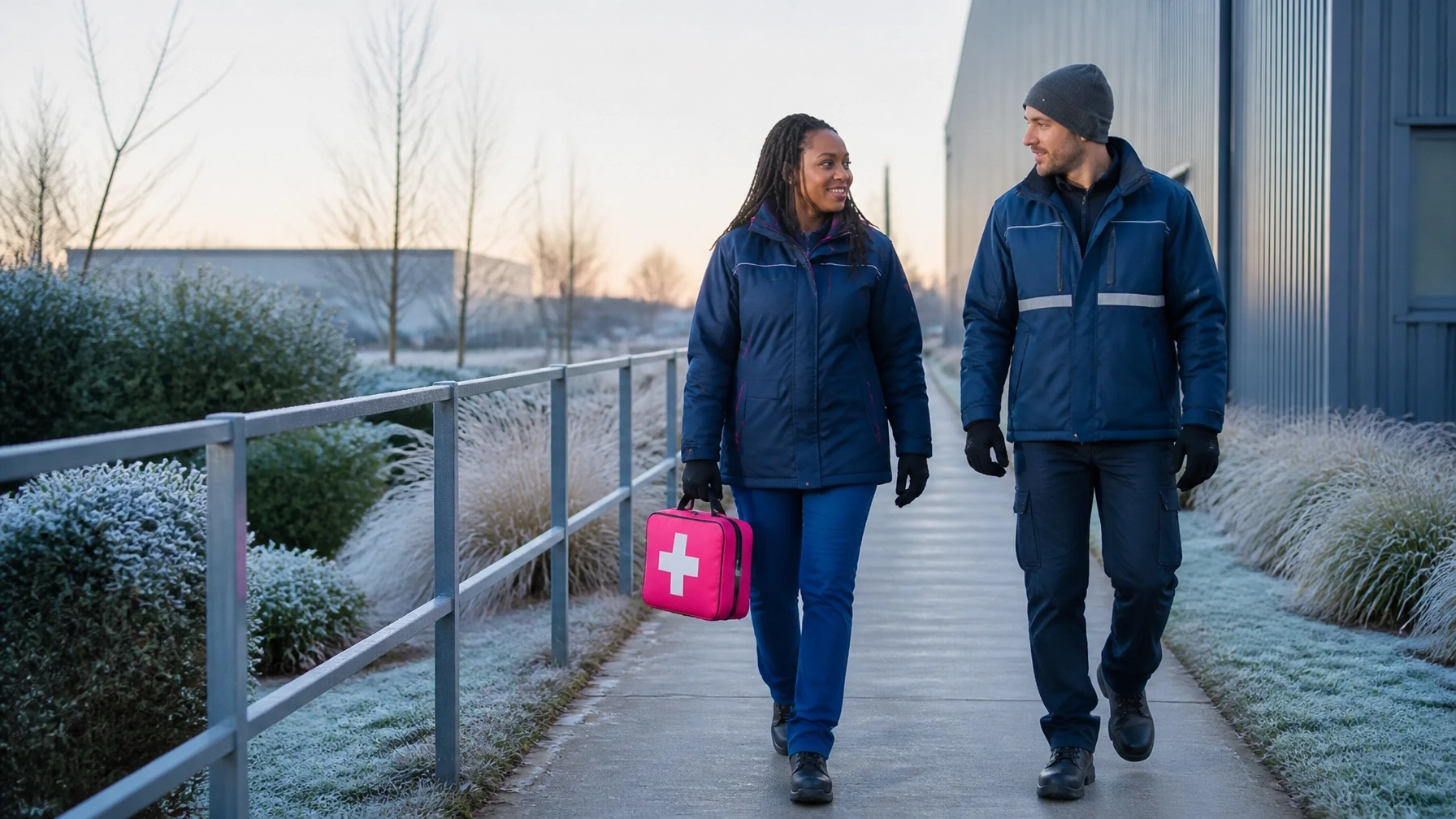
Slips are a common winter workplace hazard. Frost may be difficult to see, particularly in low light. Water tracked inside on boots can also create slippery entrances, stairs and corridors.
Take practical steps before workers arrive:
- Inspect car parks, paths, ramps, stairs and loading areas.
- Identify surfaces that regularly freeze or collect water.
- Remove ice and frost where practicable.
- Use suitable grit, mats or other non-slip controls.
- Improve lighting around entrances and outdoor work areas.
- Place warning signs around wet or recently cleaned floors.
- Clean tracked-in water, mud and frost promptly.
- Keep walkways clear of equipment, cords and stored materials.
- Require suitable footwear with good grip.
- Review work-at-height procedures during frosty or wet conditions.
Instruct workers to slow down and keep their hands free when walking on slippery surfaces. Do not allow a worker to carry a heavy load if they cannot see the path ahead.
If someone falls, check the scene first. Do not rush to move them if you suspect a serious spinal, head or pelvic injury. Check their responsiveness and breathing. Call 000 when the injury is serious, the person cannot move safely or you are unsure what has happened.

Manage reduced daylight, fatigue and visibility
Winter changes more than the temperature. Shorter daylight hours can affect visibility and alertness.
Early starts may occur in darkness. Late finishes can coincide with fog, rain or glare from vehicle headlights. Cold conditions may also increase fatigue, especially for workers performing repetitive or physically demanding tasks.
Control these risks by:
- Checking outdoor lighting before winter work begins.
- Lighting stairs, car parks, entrances and vehicle routes.
- Cleaning windows, mirrors and vehicle lights.
- Reviewing driving arrangements for fog, frost and reduced visibility.
- Scheduling warm-up breaks for people working outside.
- Rotating workers on prolonged cold-exposure tasks.
- Allowing additional time for safe travel between work areas.
- Monitoring workers who appear unusually tired, confused or uncoordinated.
- Reviewing shift length, overtime and early-start arrangements.
- Providing a warm, dry area for breaks.
Fatigue can affect concentration, decision-making and reaction time. It can increase the likelihood of a fall, vehicle incident or incorrect first aid response.
Include fatigue in your winter risk assessment. Do not treat tiredness as an individual problem when work design, cold exposure or shift arrangements are contributing to it.
Prepare your workplace first aid response
Winter Safety controls should work alongside a clear first aid plan. Your plan should identify:
- Who the trained first aiders are on each shift.
- How workers contact a first aider.
- Where first aid kits and AEDs are located.
- How emergency services access the site.
- Who meets the ambulance at the entrance.
- How incidents are recorded and reviewed.
- What arrangements apply to mobile, remote or outdoor workers.
Check that your first aid kits are accessible and complete. Consider whether your workplace needs:
- Emergency rescue blankets.
- Instant cold packs for soft tissue injuries.
- Disposable gloves.
- Torch or lighting equipment for low-light incidents.
- Supplies stored in work vehicles or remote areas.
- Additional kits for separate buildings, crews or work zones.
Review your first aid arrangements whenever winter work introduces new hazards. The Safe Work Australia model Code of Practice for First Aid in the Workplace provides further guidance on equipment, facilities and trained first aider coverage.
How First Aid training helps staff respond
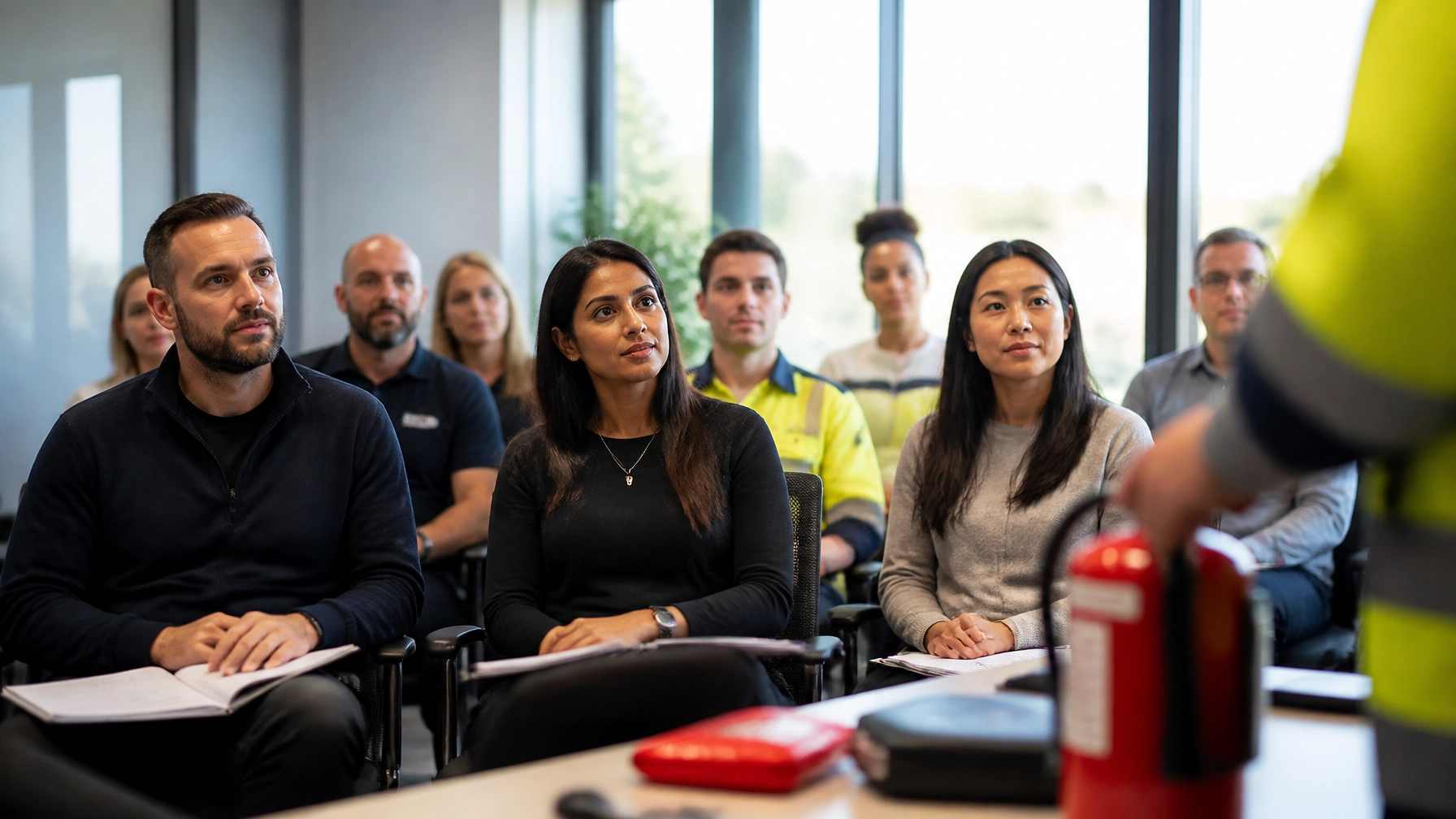
A first aid certificate is only one part of workplace preparedness. Staff also need opportunities to practise the skills they may use under pressure.
HLTAID011 Provide First Aid covers a broad range of workplace first aid responses, including casualty assessment, CPR and emergency care. HLTAID009 Provide CPR is suitable when staff need a standalone CPR course or annual CPR refresher.
Practical training helps your team practise how to:
- Assess a cold-exposed worker.
- Identify changes in responsiveness.
- Follow DRSABCD.
- Perform CPR on an adult manikin.
- Use an AED trainer.
- Manage a fall or suspected injury.
- Communicate clearly with 000 operators.
- Work together while waiting for emergency services.
Yatson Training provides professional, hands-on First Aid Training Albury Wodonga businesses can use to improve workplace readiness. Training is flexible for corporate clients, small groups and individuals. The sessions are interactive and supported by experienced trainers, including lead trainer Jackie Hislop, a Registered Nurse.
Explore the Yatson Training courses to review options for your workplace. Yatson Training can also assist with Workplace First Aid certification, CPR training and sector-specific requirements, including a Childcare First Aid course HLTAID012.

Keep in mind: winter prevention is a daily task
Winter controls must be maintained throughout the season. A single inspection in June will not manage a frost hazard in August.
Ask supervisors and workers to report:
- New areas of ice or water.
- Poor lighting.
- Damaged mats or footwear.
- Missing emergency blankets.
- Workers showing signs of cold stress.
- Fatigue caused by changes to shifts or workloads.
- Delays in contacting or locating a first aider.
Use these reports to update your risk controls. Include winter hazards in toolbox talks and induction discussions.
Our recommendation is to refresh your emergency plan before winter conditions become routine. Confirm that staff know how to Learn CPR in Albury Wodonga, where equipment is located and who is responsible for calling 000.
Book professional First Aid training in Albury Wodonga
Do not wait for a cold-weather incident before checking your workplace readiness.
Yatson Training offers flexible, practical First Aid training for corporate clients, small groups and individuals. The team can support you from your initial enquiry through to training and certification.
Telephone Yatson Training on 0450 533 179 for your First Aid training needs. Visit yatsontraining.com.au to learn more or contact Yatson Training to discuss your workplace requirements.
Frequently asked questions
Is winter-specific first aid training required?
A separate winter course may not be required, but your workplace must assess its hazards and provide suitable first aid arrangements. HLTAID011 Provide First Aid gives staff broad skills that can support responses to falls, cold exposure and other emergencies.
How often should CPR training be refreshed?
CPR training is generally refreshed every 12 months. Check your workplace policy, industry requirements and training provider guidance to maintain current skills.
Can Yatson Training train our whole team?
Yes. Yatson Training provides flexible Corporate First Aid training for workplace teams, small groups and individuals across the Albury-Wodonga area.
Is workplace first aid training cost-effective?
Yes. Preventing one serious fall or reducing delays during a medical emergency can protect workers, support compliance and reduce disruption. Professional training is a practical investment in workplace safety.
Where can I book training?
Visit yatsontraining.com.au or telephone Yatson Training on 0450 533 179. You can also follow Yatson Training on Facebook, Instagram and LinkedIn for updates and safety information.
#FirstAidTraining #WinterSafety #AlburyWodonga #FirstAidTrainingAlburyWodonga #WorkplaceSafety #CorporateFirstAidTraining #HLTAID011 #LearnCPR #LearnCPRAlburyWodonga #WorkplaceFirstAidCertification #ColdStress #HypothermiaAwareness