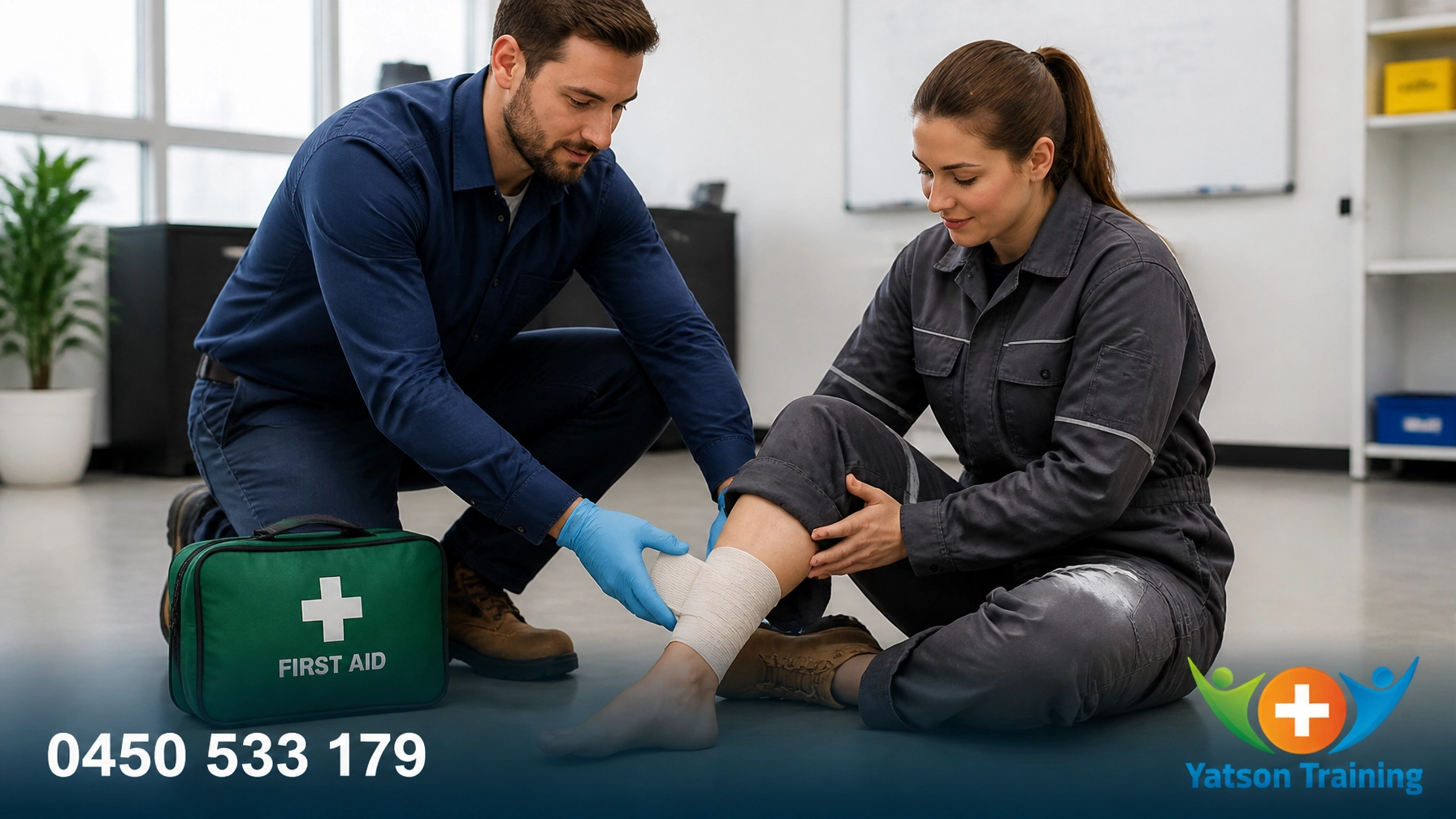

Maintaining a safe workplace is no longer just about yellow tape and hard hats. In Australia, recent legislative changes have placed a significant spotlight on psychosocial safety. However, many businesses in Albury / Wodonga are still struggling to bridge the gap between "mental health awareness" and actual compliance.
If you are treating psychological health as a "nice-to-have" rather than a core WHS requirement, you are likely making mistakes that could lead to burnout, high staff turnover, or even legal repercussions.
What is Psychosocial Safety all about?
Psychosocial safety (the management of psychological risks at work) refers to the protection of workers' mental health from hazards created by the work environment, work design, or workplace interactions. Just as a physical hazard (like a wet floor) can cause a slip, a psychosocial hazard (like excessive workload or bullying) can cause psychological harm.
Its primary function is to create a work culture where employees feel supported, roles are clear, and the risk of stress-related illness is minimised. By identifying these hazards early, your business remains compliant with Safe Work Australia standards and keeps your team productive.
1. Treating Psychosocial Safety as "Optional"
One of the biggest mistakes is viewing psychological safety as a supplementary HR initiative rather than a mandatory Work Health and Safety (WHS) duty. Under Australian law, PCBUs (Persons Conducting a Business or Undertaking) have a legal obligation to manage psychosocial risks just as they do physical ones. Ignoring this doesn't just hurt morale; it opens your business to significant liability.
2. Waiting for a Crisis to Occur
Many managers only act once a complaint is filed or a staff member takes extended stress leave. This reactive approach is a failure of risk management. Psychosocial safety requires a proactive stance, identifying risks before they manifest as burnout or clinical anxiety.
3. Confusing "Being Nice" with "Being Safe"
A "friendly" team culture is great, but it isn't a substitute for a psychosocial risk management system. You might have a "ping-pong table culture" while your staff are drowning in poorly defined roles or unmanageable deadlines. Safety is about the structure and design of the work, not just the social vibes.
4. Over-Relying on EAPs
Employee Assistance Programmes (EAPs) are vital, but they are a tertiary control measure. They help after the damage is done. Relying solely on a counselling hotline means you aren't addressing the root causes of stress within your workplace, such as poor support or lack of role clarity.
5. Ignoring the Impact of Work Design
If your employees are constantly working overtime or have no control over how they complete their tasks, you have a psychosocial hazard. Failing to adjust work volumes or provide the necessary tools for a job is a direct threat to mental health.
6. Lack of Practical Training for Leaders
Managers are often the "first responders" to workplace stress. However, if they haven't undergone professional First Aid Training, they may lack the confidence to intervene. Without training, leaders might ignore "soft" signals of distress, hoping they "just go away."
7. Failing to Consult Your Team
You cannot manage workplace risks from an ivory tower. Safe Work guidelines require consultation. If you aren't talking to your staff about their workloads, the support they receive, and the clarity of their roles, your risk assessment is incomplete.

How First Aid Training Fixes the Gap
While psychosocial safety involves system-level changes, First Aid Training (like our HLTAID011 Provide First Aid course) provides the individual skills necessary to support a safe environment.
By enrolling your team in Workplace First Aid certification, you empower them to:
- Recognise Distress: Training helps staff spot the physical and behavioural signs of stress and anxiety early.
- Communicate Effectively: Learn the "soft skills" of communication that are essential for de-escalating tense situations.
- Build Confidence: When a team knows they have the skills to handle an emergency, whether physical or psychological, it reduces overall workplace anxiety.
- Ensure Compliance: Meeting your first aid requirements is a foundational step in demonstrating a commitment to overall worker safety.
For those in specific industries, our Childcare First Aid course HLTAID012 is particularly effective at teaching educators how to manage the high-pressure environment of early childhood centres.
Symptoms of a Psychosocially Unsafe Workplace
Keep an eye out for these red flags in your Albury / Wodonga business:
- Increased Absenteeism: Staff taking frequent "mental health days" or short-term sick leave.
- High Turnover: Losing talented people who cite "stress" or "burnout" as their reason for leaving.
- Decreased Productivity: Tasks taking longer than usual or an increase in avoidable errors.
- Withdrawal: Employees who were previously engaged becoming quiet or avoiding team interactions.
- Interpersonal Conflict: An uptick in arguments, "cliques," or complaints about bullying.

Procedural Steps: Responding to a Psychosocial Incident
If you notice an employee is struggling, follow these steps:
- Check: Observe the person’s behaviour and identify changes (e.g., irritability, fatigue).
- Approach: Find a private, quiet space to talk. Use non-confrontational language.
- Listen: Allow them to speak without interruption. Do not judge or offer immediate "fixes."
- Assess: Determine if there is an immediate risk of harm to themselves or others.
- Support: Provide information on available supports (EAP, GP, or Beyond Blue).
- Document: Keep a confidential record of the conversation and any agreed-upon work adjustments.
- Follow Up: Set a time to check in again within the next week.
Our Recommendation: Build a Resilient Team
At Yatson Training, we believe that Life-saving skills aren't just for paramedics, they are for everyone. Our recommendation is to integrate your psychosocial safety strategy with hands-on Corporate First Aid training.
When your staff attend a course led by our lead trainer, Jackie Hislop (a Registered Nurse), they don't just get a certificate. They get the confidence to look out for one another. This interactive approach makes safety feel like a shared responsibility rather than a mandatory tick-box exercise.
Keep in mind: Training is a control measure, but it must be backed by a management team that actually listens and adjusts workloads when needed.
FAQ: Psychosocial Safety and Training
Is First Aid Training mandatory for psychosocial safety?
While the WHS Act doesn't explicitly say "First Aid Training fixes psychosocial risk," it does require you to provide adequate training and support. Having trained First Aiders who can recognize distress is a key part of an effective safety system.
How often should we refresh our training?
We recommend refreshing your HLTAID011 Provide First Aid skills every three years, with CPR refreshers annually. This keeps safety at the forefront of your team's mind.
Can Yatson Training come to our office in Albury?
Yes! We specialise in Corporate First Aid training and can deliver hands-on sessions at your workplace, ensuring the training is relevant to your specific environment.

Book Your Training Today
Don't wait for a workplace incident to realise your safety gaps. Protect your team’s physical and psychological wellbeing with professional, engaging training.
For all your First Aid Training needs in Albury / Wodonga, contact Yatson Training. We provide the expertise you need to keep your workplace safe and compliant.
Telephone us now: 0450 533 179
Visit our website: yatsontraining.com.au
Follow us for more safety tips:
#FirstAidTraining #AlburyWodonga #PsychosocialSafety #WorkplaceSafety #HLTAID011 #CorporateTraining #MentalHealthMatters #SafeWorkAustralia #YatsonTraining
{“@type”:”BlogPosting”,”image”:[“https://cdn.marblism.com/LlRoKWYsK5x.webp”,”https://cdn.marblism.com/MXiYIikqEu7.webp”,”https://cdn.marblism.com/6VNHG8Iji6r.webp”,”https://cdn.marblism.com/PnrkyDdsur6.webp”],”author”:{“url”:”https://yatsontraining.com.au”,”name”:”Yatson Training”,”@type”:”Organization”},”@context”:”https://schema.org”,”headline”:”7 Mistakes You’re Making with Psychosocial Safety (and How First Aid Training Fixes Them)”,”keywords”:”First Aid Training, Albury / Wodonga, Psychosocial Safety, HLTAID011, Corporate First Aid”,”publisher”:{“logo”:{“url”:”https://cdn.marblism.com/-8AyRUBMjeY.png”,”@type”:”ImageObject”},”name”:”Yatson Training”,”@type”:”Organization”},”description”:”Learn the common mistakes businesses make with psychosocial safety in the workplace and how professional First Aid Training in Albury / Wodonga can help build a safer, more compliant team.”,”datePublished”:”2026-06-27″,”articleSection”:”Workplace Safety”,”mainEntityOfPage”:{“@id”:”https://yatsontraining.com.au/7-mistakes-psychosocial-safety”,”@type”:”WebPage”}}