
As the temperature drops across the Albury Wodonga region, the risks in your workplace begin to shift. Winter in Australia brings more than just a bit of frost on the windscreen; it introduces specific hazards that can compromise the safety of your team and the efficiency of your operations. Whether you manage a busy warehouse, a corporate office, or an outdoor construction site, staying ahead of winter-related risks is essential for maintaining Workplace Safety.
Preparing your team through comprehensive Corporate First Aid training ensures that when an emergency occurs: be it a slip on an icy path or a medical episode exacerbated by the cold: your staff are ready to act with confidence. At Yatson Training, we specialise in providing hands-on First Aid Training Albury Wodonga to help local businesses stay compliant and, more importantly, keep their people safe.
What is Winter Workplace Safety all about?
Winter Workplace Safety is the practice of identifying, assessing, and controlling risks that are either created or intensified by cold weather conditions. This includes environmental factors like rain, frost, and reduced daylight, as well as physiological factors like cold stress and hypothermia. The goal is to create a work environment where hazards are minimised through practical controls and where the workforce is trained to respond effectively to emergencies.
Effective Winter Safety isn't just about handing out beanies; it is about systemic preparation. This involves updating your Workplace First Aid certification, checking your equipment, and ensuring your team knows how to Learn CPR in Albury Wodonga to handle the most critical situations.
Identifying Winter Hazards in the Workplace
The first step in any safety plan is recognition. In the Australian winter, several key hazards become more prominent.
Slips, Trips, and Falls
Wet floors from rain, morning frost on outdoor walkways, and mud tracked into buildings are primary causes of injury during winter.
- Check all entry points for water accumulation.
- Apply non-slip mats at every door.
- Identify outdoor areas that remain in the shade and may hold frost longer than others.
- Ensure workers are wearing footwear with adequate tread and grip.
Low Visibility and Lighting
With shorter days and frequent morning fog, visibility is significantly reduced. This increases the risk of vehicle-pedestrian accidents and falls from heights.
- Inspect all outdoor lighting to ensure it is functioning correctly.
- Wear high-visibility wet-weather gear that includes reflective strips.
- Mark hazards like steps or uneven ground with reflective tape.
Cold Stress and Hypothermia
Working in cold, damp, or windy conditions can lead to cold stress. When the body can no longer maintain its internal temperature, hypothermia begins to set in. This is a life-threatening emergency that requires immediate first aid intervention.

Managing Cold-Related Illnesses
A key part of your HLTAID011 Provide First Aid training is learning to recognise the physical signs of environmental exposure.
Hypothermia
Hypothermia occurs when the body's core temperature drops below 35°C. In a workplace setting, this can happen quickly if a worker is wet or exposed to high winds.
Symptoms of Hypothermia:
- Constant shivering (though this may stop in severe cases).
- Slurred speech or mumbling.
- Confusion and poor decision-making (the "umbles").
- Drowsiness or very low energy.
- Pale, cold skin.
Immediate First Aid Action:
- Call 000 immediately for any suspected case of moderate to severe hypothermia.
- Move the person to a warm, dry, sheltered area (away from wind and rain).
- Remove wet clothing gently to avoid sudden movements that can stress the heart.
- Wrap them in dry blankets or a sleeping bag, covering their head but leaving their face exposed.
- Provide warm, non-alcoholic, caffeine-free drinks if they are conscious and can swallow safely.
Frostbite
While less common in many parts of Australia compared to the northern hemisphere, frostbite can still occur in alpine regions or in workplaces with industrial refrigeration.
Symptoms of Frostbite:
- Numbness or a "pins and needles" sensation.
- Skin that feels hard, waxy, or cold to the touch.
- Skin colour changes (white, grey, or bluish-purple).
Immediate First Aid Action:
- Protect the area from further cold or wind.
- Do not rub the affected area (this can cause tissue damage).
- Seek professional medical attention.
The Importance of CPR in Winter
Cold weather puts an extra strain on the cardiovascular system. For individuals with underlying heart conditions, the cold can increase the risk of cardiac arrest. This makes having staff trained in HLTAID009 Provide CPR more important than ever.
When a person collapses and is not breathing normally, every second counts. In a cold environment, the process remains the same, but the urgency is amplified. You must be able to:
- Recognise the emergency quickly.
- Call 000.
- Start chest compressions (pushing hard and fast in the centre of the chest).
- Locate and use an Automated External Defibrillator (AED) if one is available.
For those working in early childhood settings, ensuring your HLTAID012 Childcare First Aid is up to date is crucial, as children lose body heat much faster than adults and require specific CPR techniques.

Training Your Team: Corporate First Aid Training
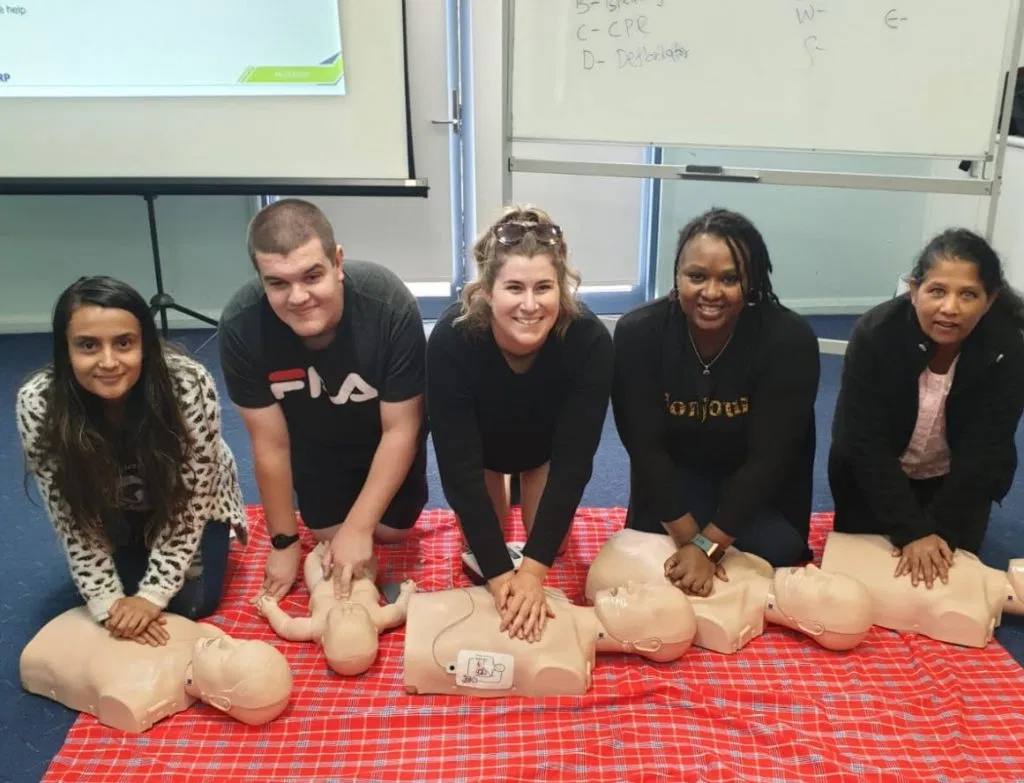
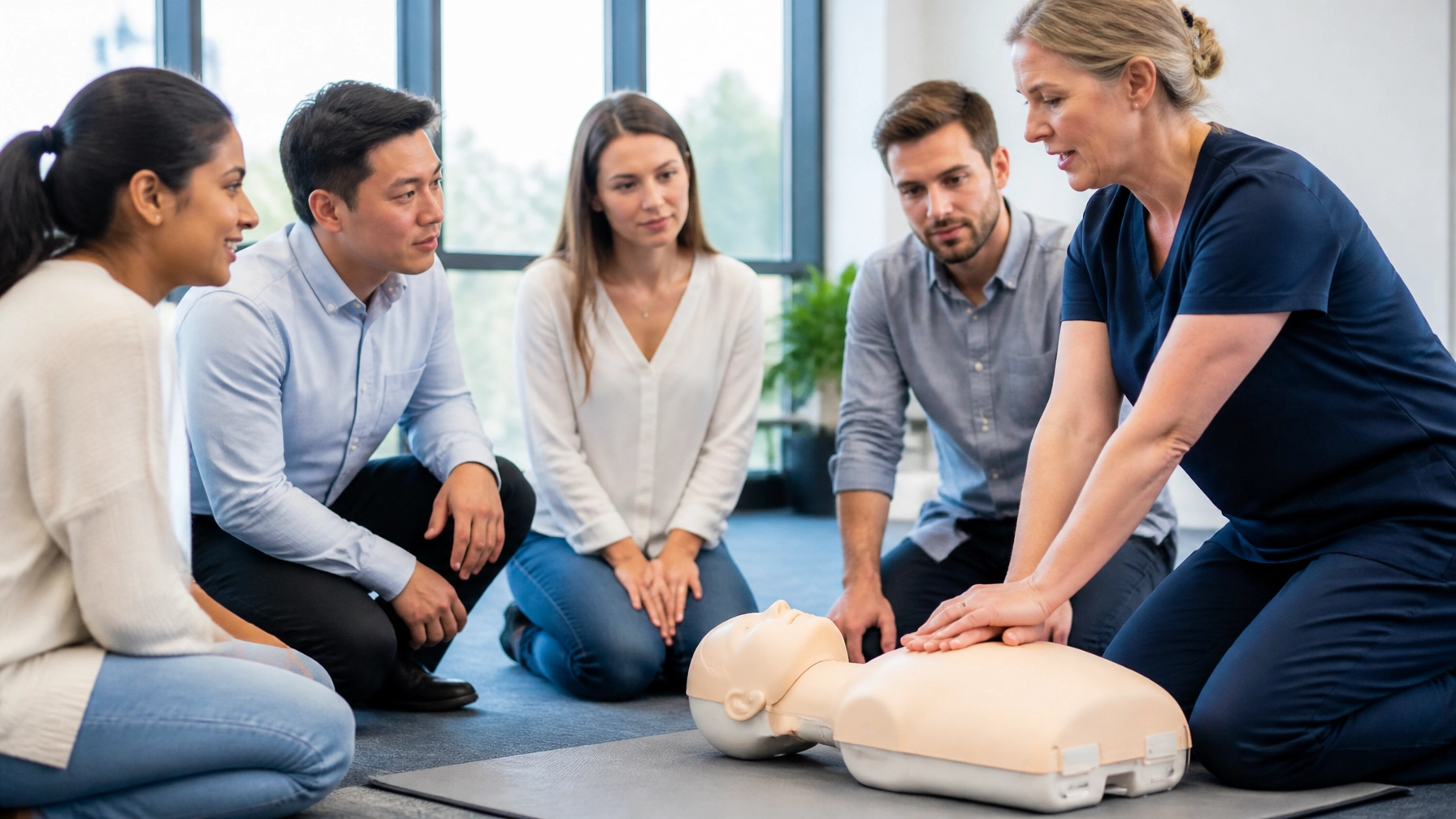
At Yatson Training, led by Registered Nurse Jackie Hislop, we believe that first aid should be interactive and engaging. We don't just read from a manual; we provide hands-on experience that prepares you for real-world scenarios.
Our Corporate First Aid training is designed to fit your business needs. We can come to your site in Albury Wodonga to deliver:
- HLTAID011 Provide First Aid: The standard for workplace compliance.
- HLTAID009 Provide CPR: Essential annual refresher training.
- HLTAID012 Childcare First Aid: Specifically for those in the education and care industry.
Investing in a Workplace First Aid certification for your team is one of the most cost-effective ways to improve safety and meet your legal obligations under Safe Work Australia guidelines.
Keep in Mind: Our Recommendation
Safety is a year-round commitment, but winter requires a specific focus. Our recommendation for all Albury Wodonga businesses is to conduct a "Winter Safety Audit" this week.
- Check your first aid kits. Are they fully stocked and easily accessible? Read our guide on fixing common first aid kit mistakes to ensure yours is ready.
- Verify your training ratios. Do you have enough first aiders for your staff count? We have an easy guide to calculating your ratios to help you stay compliant.
- Review emergency procedures. Does everyone know how to call for help and where the AED is located?
- Book a refresher course. If it has been more than a year since your last CPR update, it's time to learn CPR in Albury Wodonga with the experts.
FAQ: Winter Workplace Safety
How often should we update our Workplace First Aid certification?
While the First Aid certificate (HLTAID011) is generally valid for three years, the CPR component (HLTAID009) should be refreshed every 12 months to maintain peak proficiency and compliance.
Do we need different first aid supplies for winter?
It is a good idea to ensure your kits have thermal blankets (space blankets) and that your workplace has access to dry blankets and a way to provide warm drinks for treating mild cold stress.
Is winter training different from summer training?
The core skills remain the same, but at Yatson Training, we tailor our scenarios to the season. During winter, we place more emphasis on managing environmental exposure, hypothermia, and slips/falls.
Why should we choose Yatson Training?
We offer professional, hands-on training led by an experienced Registered Nurse. We focus on making the training interactive and enjoyable, ensuring your team actually remembers what to do in a crisis. We also help you stay on top of workplace first aid compliance.
Contact Yatson Training Today
Don't wait for an accident to happen. Ensure your team is prepared for the unique challenges of the colder months with the best First Aid Training Albury Wodonga has to offer. Whether you are looking for a Childcare First Aid course HLTAID012 or a full Corporate First Aid training package, we are here to help.
Telephone Yatson Training on 0450 533 179 to book your session or discuss your workplace needs. You can also visit our website at yatsontraining.com.au for more information on our services.
Stay safe, stay warm, and stay prepared!
Connect with us on Social Media:
#FirstAidTraining #AlburyWodonga #WorkplaceSafety #WinterSafety #CPR #HLTAID011 #CorporateSafety #NurseLedTraining #SafetyTips #WodongaBusiness
{“@type”:”BlogPosting”,”about”:[{“name”:”HLTAID011 Provide First Aid”,”@type”:”Course”,”description”:”Essential life-saving skills for the workplace or home.”},{“name”:”HLTAID009 Provide CPR”,”@type”:”Course”,”description”:”Annual refresher for cardiopulmonary resuscitation skills.”}],”image”:”https://cdn.marblism.com/EWFml5SFmxv.webp”,”author”:{“name”:”Yatson Training”,”@type”:”Organization”},”@context”:”https://schema.org”,”headline”:”Winter Workplace Safety: Essential First Aid, CPR, and Safety Tips for Australian Workplaces”,”publisher”:{“logo”:{“url”:”https://cdn.marblism.com/-8AyRUBMjeY.png”,”@type”:”ImageObject”},”name”:”Yatson Training”,”@type”:”Organization”},”areaServed”:”Albury Wodonga”,”description”:”A comprehensive guide to managing winter-specific hazards in Australian workplaces, covering slips, trips, hypothermia, and the importance of professional first aid and CPR training.”,”datePublished”:”2026-07-23″,”mainEntityOfPage”:{“@id”:”https://yatsontraining.com.au/winter-workplace-safety”,”@type”:”WebPage”}}