What is a Workplace First Aid Kit all about?
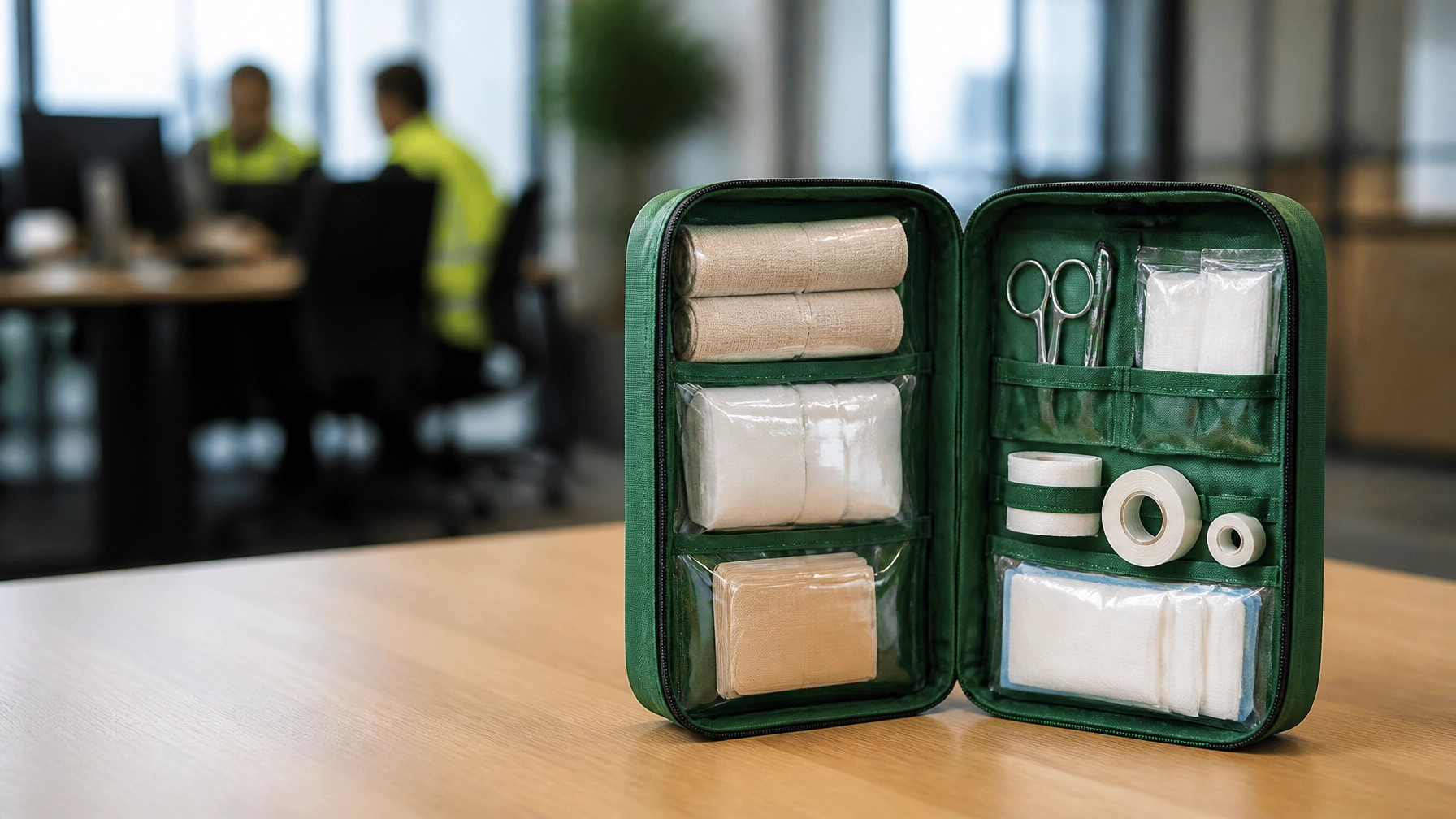
A workplace first aid kit is a collection of essential medical supplies (gauze, bandages, antiseptics, and protective gear) designed to provide immediate treatment for injuries or illnesses occurring on-site. Its primary function is to bridge the gap between an accident and professional medical help. In an Australian workplace, a kit is not just a plastic box; it is a legal requirement under the Safe Work Australia Code of Practice. It serves as your first line of defence, ensuring that you can manage bleeding, burns, or sudden health crises before an ambulance arrives. Without a properly maintained kit and the life-saving skills to use it, a minor incident can quickly escalate into a workplace tragedy.
Maintaining a compliant kit is a core part of your Workplace First Aid certification. If you haven't checked your kit lately, you are likely making one of the common mistakes that could put your team at risk.
1. Using a "One-Size-Fits-All" Kit
Many businesses buy a standard, off-the-shelf first aid kit and assume they are compliant. This is a mistake. A small accounting firm in Albury has very different risks compared to a construction site or a manufacturing plant in Wodonga. A generic kit might lack the specific items needed for your industry’s unique hazards.
The Fix:
Conduct a thorough risk assessment of your workplace. Identify the most likely injuries (burns, cuts, eye splashes, or fractures). Customise your kit to match these risks. For example, a kitchen requires extra hydrogel burn dressings, while a workshop needs eye irrigation stations.
- Evaluate your workplace hazards.
- Consult with a professional at Yatson Training on 0450 533 179 to determine the best kit for your industry.
- Purchase specific modules (like burn or eye modules) to supplement your basic kit.

2. The "Mystery Meat" Problem: Expired and Unlabelled Items
First aid supplies have expiry dates. Over time, adhesive bandages lose their stickiness, sterile dressings become unsterile (as the packaging degrades), and antiseptic wipes dry out. Using an expired item during a crisis is ineffective and can even lead to infection.
The Fix:
Treat your first aid kit like your pantry. Check it regularly for items that have passed their use-by date or have damaged packaging.
- Set a recurring calendar reminder every three months to audit the kit.
- Discard any item that is open, discoloured, or past its expiry date.
- Replace used items immediately after an incident.
- Check that all items are clearly labelled and easy to identify under stress.
3. Playing Hide-and-Seek (Poor Accessibility)
A first aid kit is useless if nobody can find it during an emergency. We often see kits buried in the back of a stationery cupboard or kept behind a locked door in the manager's office. If a worker is experiencing a severe allergic reaction or heavy bleeding, every second counts. You cannot afford to spend five minutes looking for the key to the office.
The Fix:
Kits must be visible and accessible to everyone at all times.
- Mount your kit in a high-traffic, central location like a staff kitchen or near the main exit.
- Ensure the location is marked with a standard green-and-white first aid sign.
- Never lock the kit or the room it is kept in during work hours.
- Include the kit location in all new staff inductions.

4. Adding Your Own Pharmacy (Including Medications)
It is a common (but dangerous) practice to throw a packet of paracetamol or ibuprofen into the workplace first aid kit. Under Australian workplace safety guidelines, medications are generally prohibited in first aid kits. Administering medication can lead to severe allergic reactions or complications with existing medical conditions.
The Fix:
Remove all tablets, syrups, and ointments from your kit.
- Stick to sterile dressings and cleaning solutions.
- Advise staff to keep their own personal medication in their lockers or bags.
- If your workplace requires specific emergency medications (like an EpiPen or Ventolin), manage these through a dedicated health management plan, not a general first aid kit.
5. The "Someone Else's Job" Syndrome (Lack of Maintenance)
The biggest reason kits fail is that no one is officially responsible for them. When everyone assumes "someone else" is checking the supplies, the kit eventually becomes an empty box of Band-Aids and a single dried-out wipe.
The Fix:
Nominate a specific First Aid Officer to take ownership of the equipment.
- Assign the task of "Kit Maintenance" to a staff member who has completed their HLTAID011 Provide First Aid course.
- Provide them with a checklist to record monthly inspections.
- Ensure they have the authority (and budget) to order replacement supplies as needed.
- Keep a logbook inside the kit to track when it was last inspected.

6. Forgetting the Smallest Team Members (Ignoring Childcare Needs)
If you work in a school, preschool, or daycare centre, a standard workplace kit isn't enough. Children have different medical needs and require different equipment sizes. For example, a standard adult-sized resuscitation mask will not create an effective seal on an infant.
The Fix:
If you work with children, you must ensure your kit is tailored for paediatric emergencies.
- Ensure your kit contains child-sized bandages and dressings.
- Include specific items for asthma and anaphylaxis management, as these are common in school settings.
- Enrol your staff in a Childcare First Aid course HLTAID012 to ensure they understand how to use paediatric equipment.
- Contact Yatson Training at 0450 533 179 for a kit review specific to education and care settings.
7. Having the Gear but No Idea (Lapsed Training)
A $500 first aid kit is just a box of plastic and gauze if your team doesn't know how to use it. Many workplaces have the equipment but fail to provide the Corporate First Aid training necessary to handle an emergency. If your staff's certificates have expired, they may not remember the correct ratios for CPR or the latest techniques for wound management.
The Fix:
Training is just as important as the kit itself.
- Book a regular HLTAID011 Provide First Aid course for your team every three years.
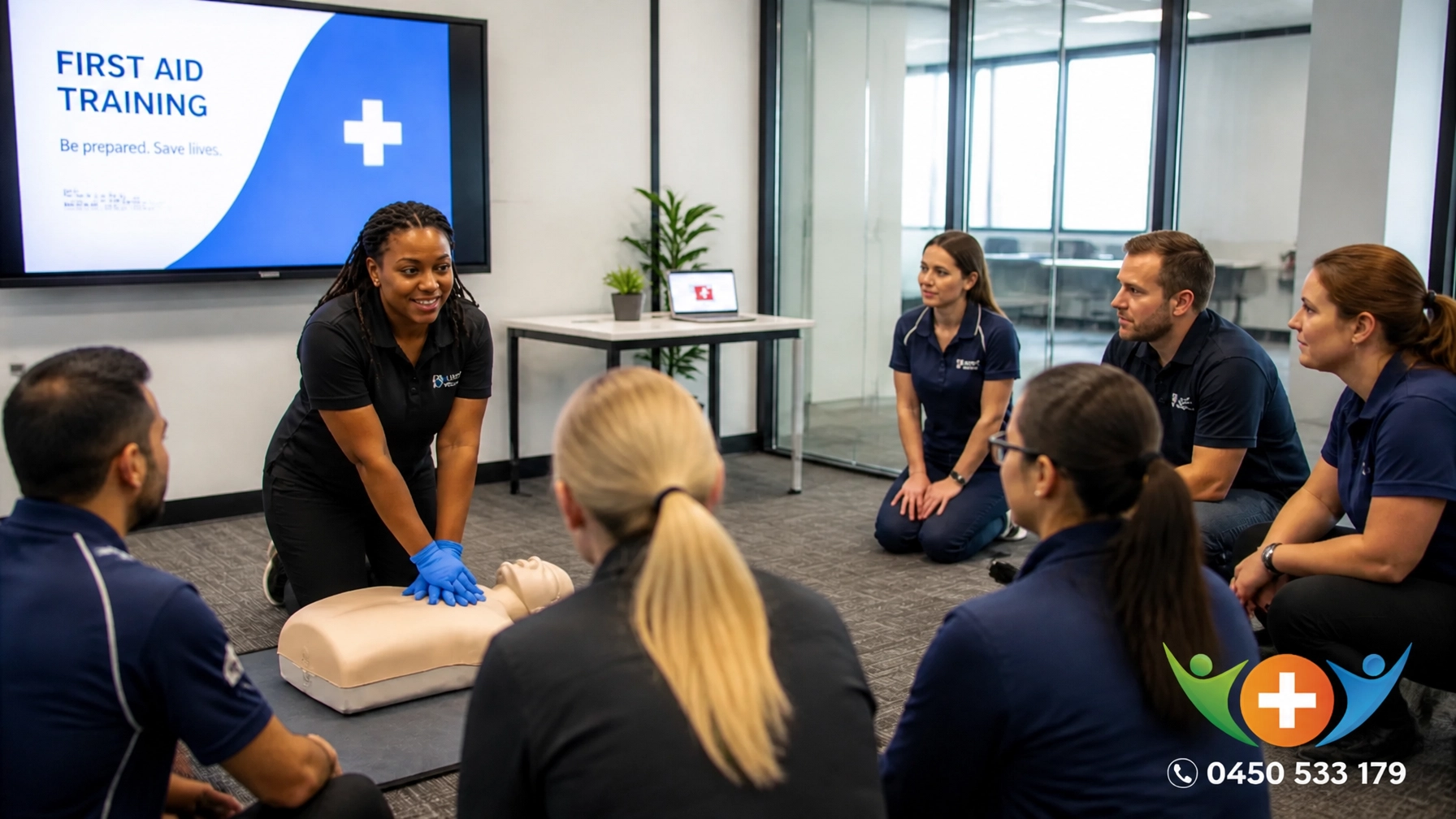
- Schedule a yearly Learn CPR in Albury / Wodonga refresher to keep skills sharp.
- Practice "mock drills" where staff have to find the kit and simulate an emergency response.
- Make first aid training a fun, interactive part of your workplace culture rather than a chore.

Keep in Mind
First aid compliance is not a "set and forget" task. It requires ongoing attention. Our recommendation is to integrate kit checks into your standard WHS (Work Health and Safety) meetings. When you treat first aid as a priority, your staff feels safer and more valued. Remember, the goal isn't just to tick a compliance box; it is to ensure that every member of your team can provide life-saving skills if the unthinkable happens.
FAQ: Workplace First Aid Essentials
How many kits do I need for my office in Albury?
The number of kits depends on the size of your workplace and the number of floors. Generally, you should have at least one kit per floor. If your office is large or spread out, you need enough kits so that a person can reach one within two minutes of an incident.
Does a first aid kit expire?
The kit itself doesn't expire, but the contents do. Most sterile items have a shelf life of 3 to 5 years. Antiseptic creams and wipes often expire sooner.
Is HLTAID011 the right course for my staff?
Yes, HLTAID011 Provide First Aid is the standard requirement for most Australian workplaces. It covers everything from CPR to snake bites and wound care.
Can I be sued for providing first aid at work?
In Australia, "Good Samaritan" laws generally protect individuals who provide first aid in good faith and within the scope of their training. This is why keeping your Workplace First Aid certification current is so important.
Ready to Secure Your Workplace?
Don't wait for an accident to find out your first aid kit is empty or your staff's training has lapsed. Yatson Training provides flexible, hands-on First Aid training for corporate clients, small groups, and individuals across the Albury / Wodonga region. Led by Registered Nurse Jackie Hislop, our courses are designed to be engaging, practical, and fully compliant.
Get your team certified and your kits compliant today.
Contact Yatson Training:
- Phone: 0450 533 179
- Website: yatsontraining.com.au
- Book a Course: Contact Us
Follow us for more safety tips:
#FirstAidTraining #AlburyWodonga #WorkplaceSafety #HLTAID011 #CPR #SafeWorkAustralia #YatsonTraining #LifeSavingSkills #ChildcareFirstAid
{“@type”:”BlogPosting”,”image”:”https://cdn.marblism.com/gnu0z8uusro.webp”,”author”:{“name”:”Yatson Training”,”@type”:”Organization”},”@context”:”https://schema.org”,”headline”:”7 Mistakes You’re Making with Your Workplace First Aid Kit (and How to Fix Them)”,”publisher”:{“logo”:{“url”:”https://cdn.marblism.com/-8AyRUBMjeY.png”,”@type”:”ImageObject”},”name”:”Yatson Training”,”@type”:”Organization”},”articleBody”:”What is a Workplace First Aid Kit all about? A workplace first aid kit is a collection of essential medical supplies… (7 Mistakes covered)… Get your team certified and your kits compliant today.”,”description”:”Learn the most common workplace first aid kit mistakes and how to fix them to ensure compliance and safety in Albury / Wodonga. Book your HLTAID011 training today.”,”datePublished”:”2026-06-13″,”mainEntityOfPage”:{“@id”:”https://yatsontraining.com.au/insights”,”@type”:”WebPage”}}