
Calculating first aid ratios often feels like a simple math problem. You look at the number of employees, check a table, and appoint a first aider. However, getting this calculation wrong is one of the most common compliance failures in Australian businesses.
Under the Safe Work Australia First Aid in the Workplace Code of Practice, your business has a legal obligation to provide adequate first aid equipment, facilities, and trained personnel. If your ratios are off, you aren't just risking a fine; you are risking the safety of your team during a critical emergency.
What is a workplace first aid ratio all about?
A workplace first aid ratio is the number of trained first aiders required relative to the number of workers present at your site. It is a formula designed to ensure that if someone stops breathing or suffers a serious injury, there is always a qualified person close by to provide immediate assistance.
In Australia, these ratios are not one-size-fits-all. They change based on the level of risk associated with your specific industry and the proximity of your workplace to emergency services. The goal is simple: ensure that life-saving skills are always within reach.
Mistake 1: Misclassifying your risk level
Many businesses in Albury / Wodonga assume that because they operate in a warehouse or a workshop, they fall under "low-risk" guidelines. This is a dangerous assumption.
- Low-risk workplaces: These include offices, retail shops, or libraries where there is no exposure to hazardous machinery or chemicals. The ratio here is 1 first aider for every 50 workers.
- High-risk workplaces: These include construction sites, factories, and warehouses where serious injury is a realistic possibility. The ratio drops to 1 first aider for every 25 workers.
The fix: Conduct a thorough risk assessment. If your team uses power tools, works at heights, or handles chemicals, you must use the high-risk ratio.
Mistake 2: Counting total headcount instead of "at any one time"
Do not calculate your ratios based on your total payroll. If you have 100 staff but they are spread across three different shifts, having only two first aiders (based on the 1:50 low-risk ratio) is a mistake.
If those two first aiders both work the day shift, your night shift has zero coverage.
The fix:
- Identify the maximum number of workers present during a single shift.
- Ensure the ratio is met for every shift independently.
- Account for overlapping times when staff numbers peak.

Mistake 3: Forgetting about leave and illness
Compliance is not a static number. If your only designated first aider goes on annual leave, catches the flu, or is out on a coffee run, your workplace is technically non-compliant.
The fix: Build in a "buffer" to your ratios. We recommend training at least one or two extra staff members beyond the minimum requirement to ensure you are covered during absences.
Mistake 4: Ignoring the layout of your building
A ratio of 1:50 might look good on paper, but if your office spans four floors and your only first aider is on the ground floor, they will not reach a cardiac arrest victim on the top floor in time. Brain damage can begin in as little as four minutes when the heart stops.
The fix:
- Place at least one first aider on every floor.
- Ensure first aiders are distributed across different departments or zones.
- Check that help can reach any part of the site within two minutes.
Mistake 5: Failing to account for visitors and contractors
The law requires you to consider "other persons" at your workplace. This includes customers, visitors, and sub-contractors. If you run a retail space or a public-facing facility, your "worker" count is only part of the story.
The fix: Estimate your peak visitor numbers. If you regularly have 30 visitors on-site alongside 30 staff, you should be calculating your first aid needs for 60 people, not 30.

Mistake 6: Overlooking the "Remote" factor
If your business is located in a remote area where ambulance response times are delayed, the standard ratios no longer apply. For remote high-risk workplaces, the recommendation is 1 first aider for every 10 workers.
The fix: Evaluate how long it takes for an ambulance to arrive at your site. If the wait is significant, you must increase your number of trained staff and potentially upgrade their training level to include more advanced life-saving skills.
Mistake 7: Relying on expired certifications
A common mistake is assuming a staff member is "covered" because they did a course three years ago. While the HLTAID011 Provide First Aid certificate is generally valid for three years, the CPR component (HLTAID009) must be refreshed every 12 months to remain compliant with Australian Resuscitation Council (ARC) guidelines.
The fix:
- Check your staff's certification dates today.
- Set a calendar reminder for 11 months after every training session.
- Book a Corporate First Aid training session annually to keep everyone current.
Our recommendation
At Yatson Training, we believe compliance is the bare minimum. True safety comes from confidence. We recommend that businesses in the Albury / Wodonga area move away from "tick-box" training.
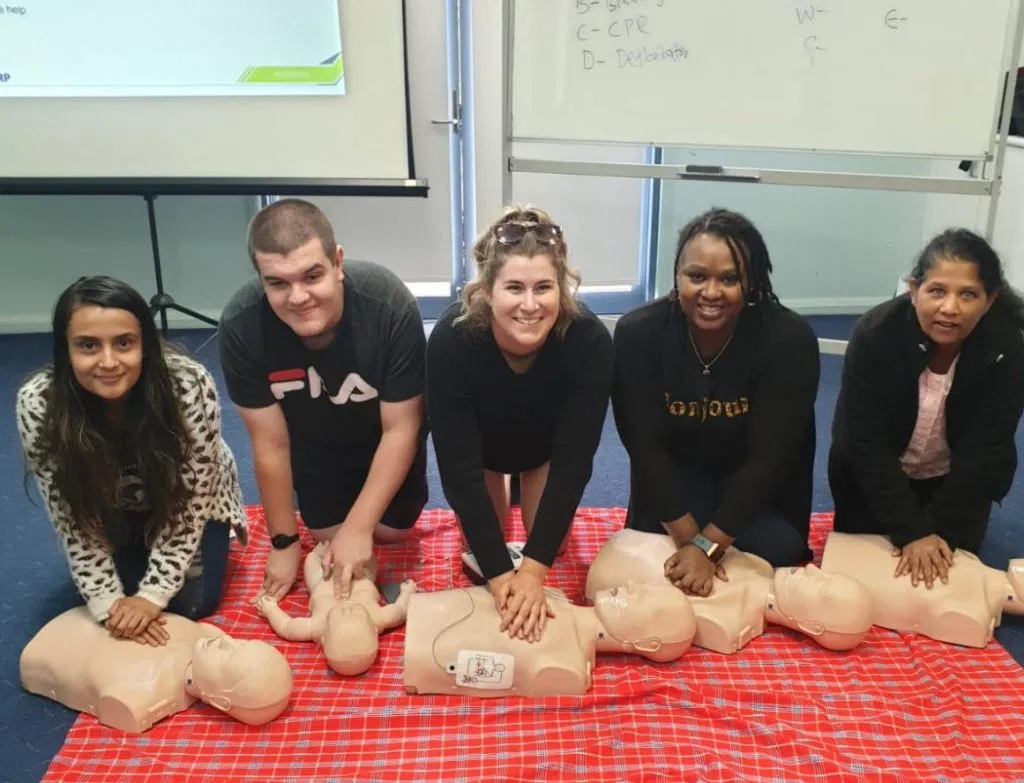
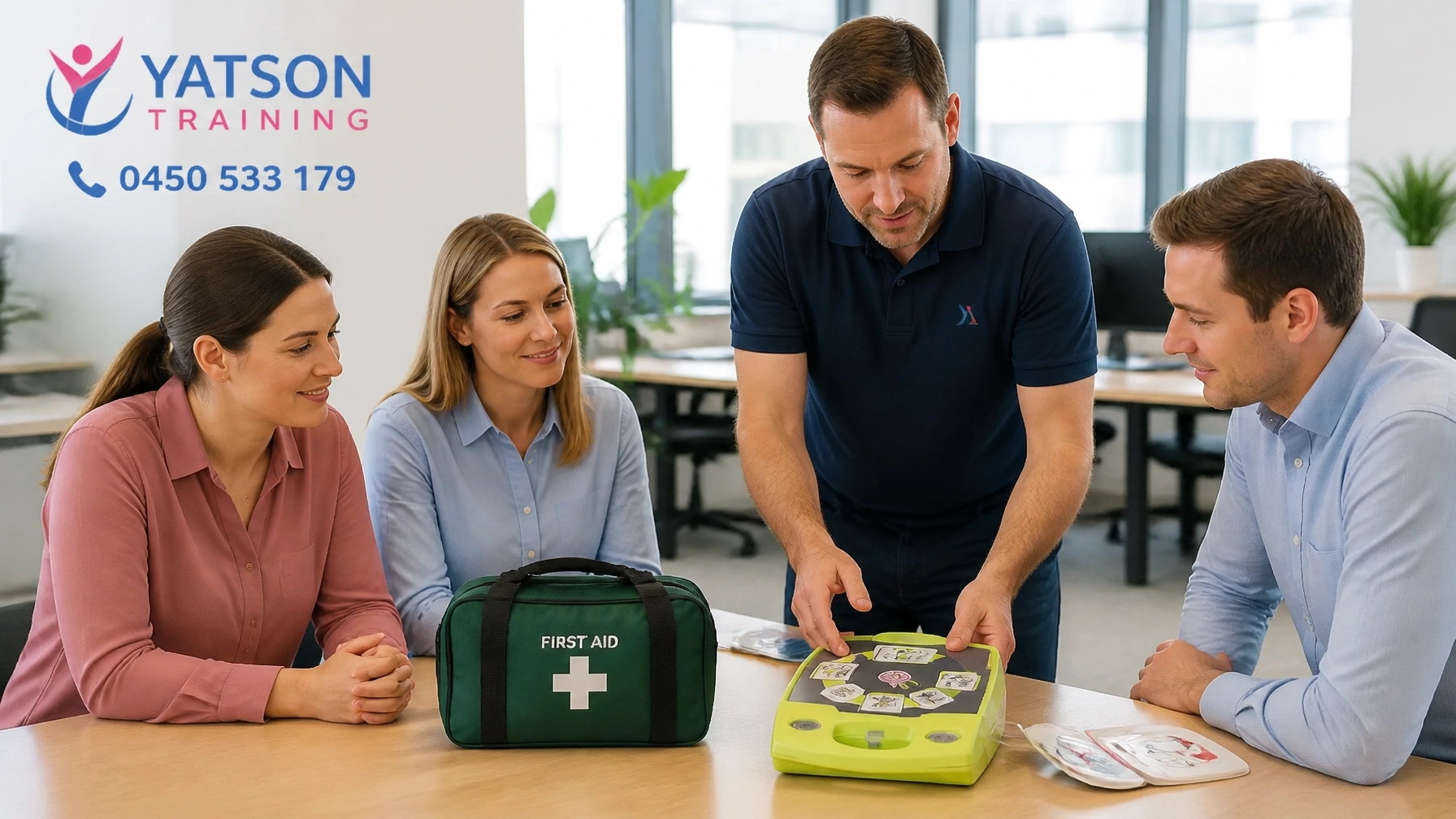
Instead of just meeting the ratio, aim to create a culture of safety. The more people in your office who know how to use an AED or perform chest compressions, the safer your entire team will be. Our lead trainer, Jackie Hislop (a Registered Nurse), focuses on hands-on, interactive training that ensures your staff actually remember what to do when the pressure is on.
Checklist for your workplace:
- Identify your maximum staff count per shift.
- Assess if your environment is high-risk (machinery, chemicals) or low-risk.
- Map your first aider locations to ensure quick access to all areas.
- Schedule annual CPR refreshers for all designated first aiders.
- Contact Yatson Training on 0450 533 179 to audit your training needs.

Workplace First Aid FAQ
Do I really need a first aider if I only have 5 employees?
Yes. Even for very small teams (1–10 people), the Code of Practice suggests at least one person should be trained in first aid, especially if you work in a high-risk industry or have limited access to medical help.
Which course should my staff take for workplace compliance?
For most workplaces, the HLTAID011 Provide First Aid course is the standard requirement. If you work in childcare or education, you will likely need the Childcare First Aid course HLTAID012. We offer both options at Yatson Training.
How often do we need to refresh our training?
To stay fully compliant and keep your life-saving skills sharp, you should refresh your CPR training every year and your full First Aid certification every three years.
Can Yatson Training come to our office?
Yes. We specialise in Corporate First Aid training. We provide flexible, hands-on training on-site at your premises in Albury, Wodonga, and surrounding regions.
Don't wait for an accident to find out your ratios are wrong. Ensure your workplace is safe, compliant, and ready for anything.
Call Yatson Training today on 0450 533 179 to book your next session or click here to discuss your corporate training requirements.
Connect with us:
Facebook | Instagram
#FirstAidTraining #AlburyWodonga #WorkplaceSafety #HLTAID011 #CorporateFirstAid #SafeWorkAustralia #CPR #YatsonTraining
{“@type”:”BlogPosting”,”image”:”https://cdn.marblism.com/3ejdDOvJ_yi.webp”,”author”:{“name”:”Yatson Training”,”@type”:”Organization”},”faqPage”:{“@type”:”FAQPage”,”@context”:”https://schema.org”,”mainEntity”:[{“name”:”Do I really need a first aider if I only have 5 employees?”,”@type”:”Question”,”acceptedAnswer”:{“text”:”Yes. Even for very small teams (1–10 people), the Code of Practice suggests at least one person should be trained in first aid, especially if you work in a high-risk industry.”,”@type”:”Answer”}},{“name”:”Which course should my staff take for workplace compliance?”,”@type”:”Question”,”acceptedAnswer”:{“text”:”For most workplaces, the HLTAID011 Provide First Aid course is the standard requirement. Childcare workers typically require HLTAID012.”,”@type”:”Answer”}},{“name”:”How often do we need to refresh our training?”,”@type”:”Question”,”acceptedAnswer”:{“text”:”CPR training (HLTAID009) should be refreshed every 12 months, while the full First Aid qualification (HLTAID011) should be refreshed every three years.”,”@type”:”Answer”}}]},”@context”:”https://schema.org”,”headline”:”7 Mistakes You’re Making with Your Workplace First Aid Ratios (and How to Fix Them)”,”publisher”:{“logo”:{“url”:”https://cdn.marblism.com/-8AyRUBMjeY.png”,”@type”:”ImageObject”},”name”:”Yatson Training”,”@type”:”Organization”},”description”:”Learn the 7 most common mistakes businesses make when calculating workplace first aid ratios and how to ensure your Albury / Wodonga workplace remains compliant with Safe Work Australia standards.”,”datePublished”:”2026-07-01″,”mainEntityOfPage”:{“@id”:”https://yatsontraining.com.au/insights”,”@type”:”WebPage”}}