Workplace safety is not only about preventing incidents. It is also about knowing what to do when prevention fails.
A worker may slip on a wet entry, suffer a medical emergency, experience cold stress outdoors or find a colleague unconscious. Your response in the first few minutes can affect the outcome. Preparation helps you act safely and promptly.
This guide takes a fresh approach to workplace first aid. It focuses on building a practical winter-ready response system, not simply memorising isolated procedures.
What is Australian First Aid, CPR, and Workplace Safety all about?
Australian first aid, CPR and workplace safety work together as one emergency response system.
- Workplace safety reduces the chance of injury or illness.
- First aid provides immediate care until further medical assistance arrives.
- CPR supports a person who is unresponsive and not breathing normally.
- Emergency planning helps your team identify hazards, call for help and use available equipment.
Your workplace should have suitable first aid equipment, trained first aiders, clear communication procedures and regular reviews of common risks.
The nationally recognised HLTAID011 Provide First Aid course teaches a broad range of first aid responses. The HLTAID009 Provide CPR unit focuses on cardiopulmonary resuscitation and AED use. If you work in education or care, the HLTAID012 Childcare First Aid course addresses the needs of children and infants.
1. Learn the DRSABCD response sequence
Use the DRSABCD action plan when responding to a serious emergency. Your training will help you apply each step safely.
- Danger: Check for hazards before approaching. Look for traffic, electricity, fire, chemicals, unstable structures or other risks.
- Response: Check whether the person responds to your voice or gentle touch.
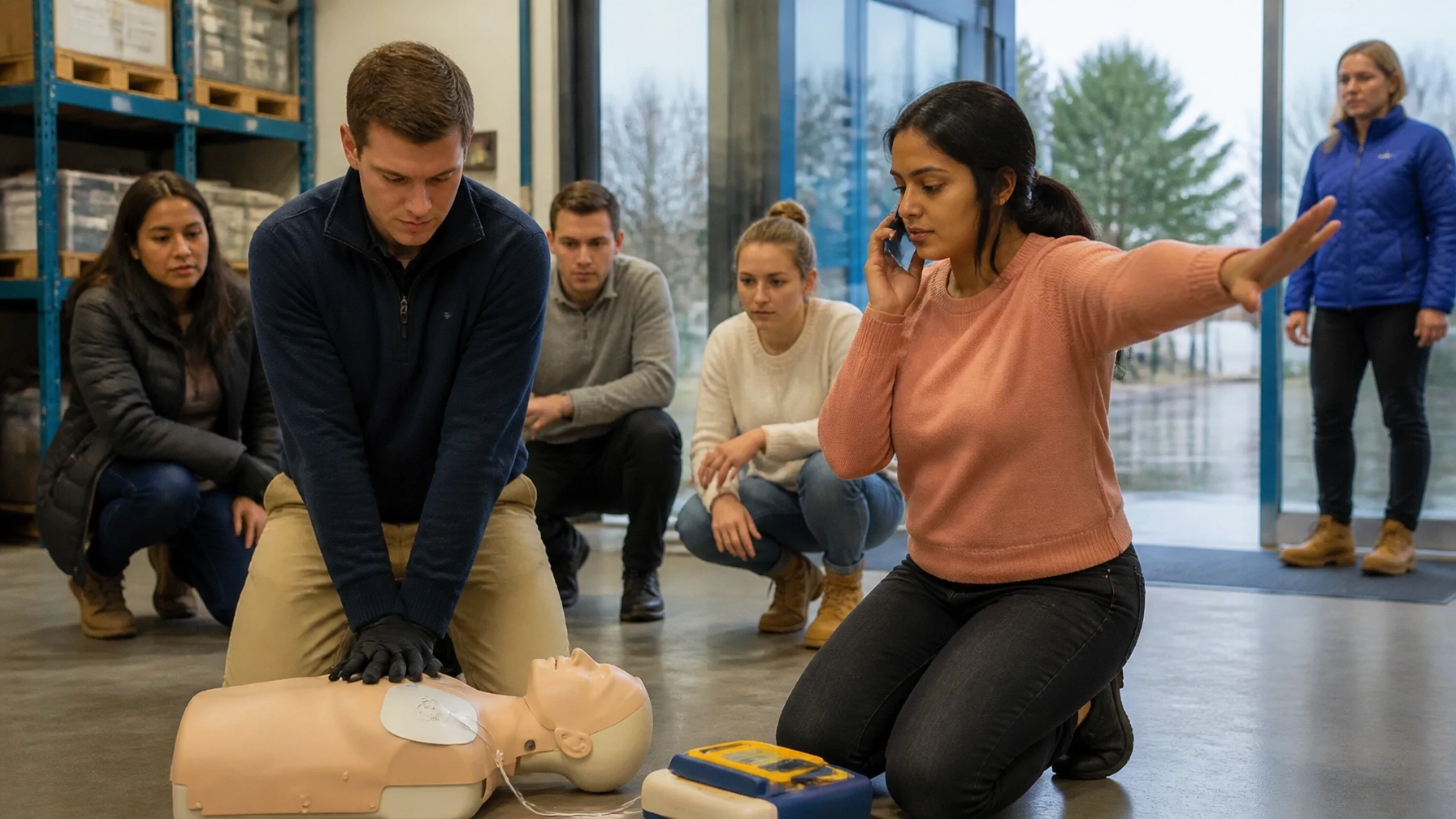
- Send for help: Ask someone to call 000 and bring the first aid kit and AED (automated external defibrillator).
- Airway: Open and check the airway as trained.
- Breathing: Check for normal breathing.
- CPR: Start CPR if the person is unresponsive and not breathing normally.
- Defibrillation: Apply an AED as soon as it is available. Follow its spoken and visual instructions.
Do not place yourself in danger. Ask bystanders to help with access, traffic control, first aid equipment and communication with emergency services.
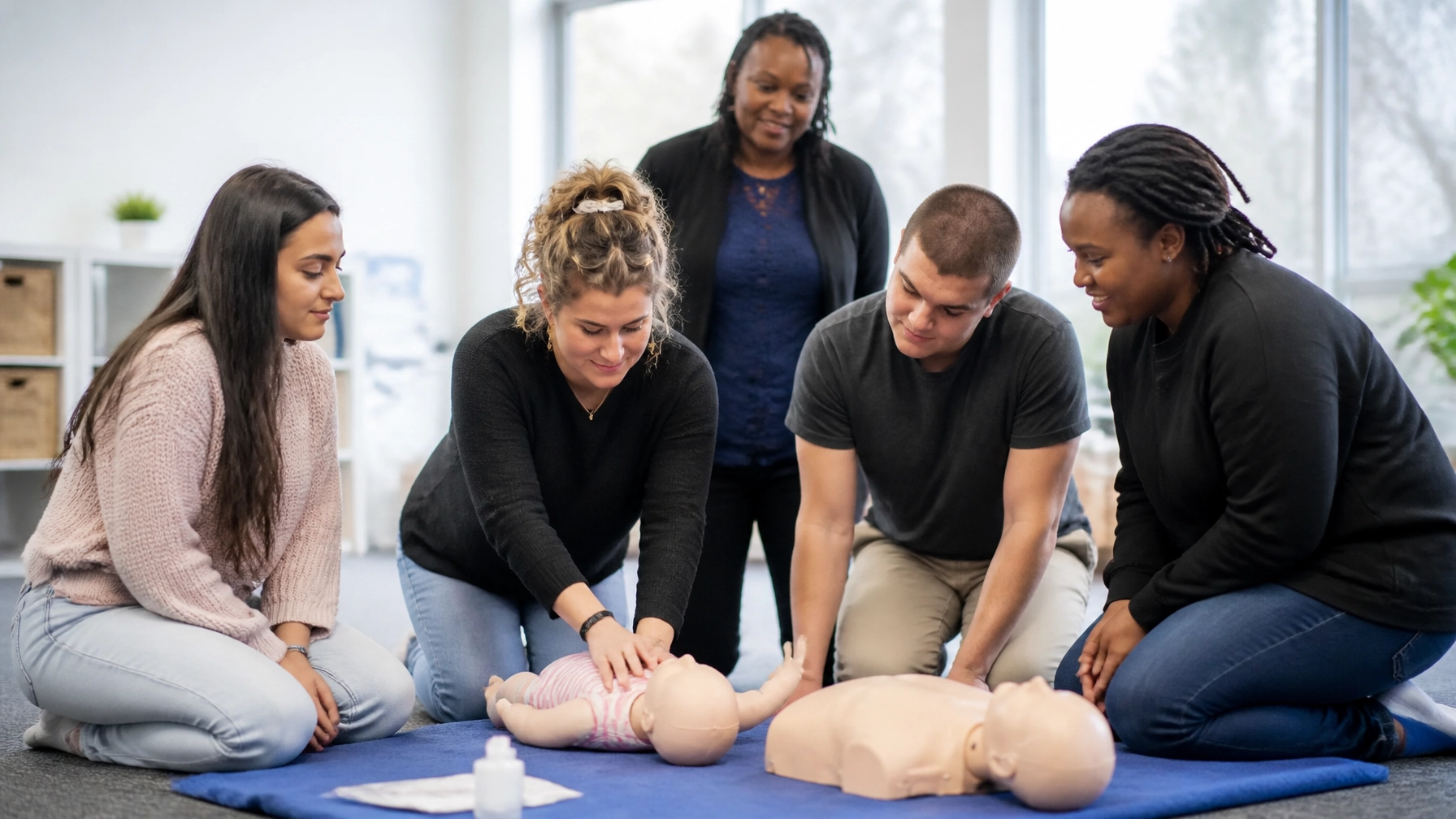
A practical HLTAID011 Provide First Aid course allows you to rehearse this sequence rather than only read about it. You practise on manikins, use an AED trainer and receive guidance from an experienced trainer.

2. Build a winter-ready workplace safety checklist
Winter creates predictable hazards in Albury-Wodonga workplaces. Wet entrances, reduced visibility, cold surfaces and outdoor exposure can affect how people move and work.
Inspect your workplace before problems occur.
- Keep walkways, stairs and entrances dry and free from clutter.
- Use suitable non-slip mats at wet entry points.
- Check that lighting is adequate in car parks, paths and storage areas.
- Encourage slip-resistant footwear where the work environment requires it.
- Inspect portable heaters and keep them away from combustible materials.
- Keep electrical leads, boxes and clothing clear of heaters.
- Provide suitable warm-up areas for workers exposed to cold conditions.
- Allow workers to wear appropriate layers, gloves and weather protection.
- Check outdoor work areas after rain, frost or strong winds.
- Keep first aid kits accessible in vehicles, workshops and remote work areas.
Cold exposure can affect concentration, coordination and physical performance. Workers may be more likely to make mistakes when they are cold, wet or fatigued.
The WorkSafe ACT guidance on working in cold weather recommends practical controls such as suitable clothing, warm-up breaks and reducing exposure where possible.
3. Recognise cold-related illness and injury
Workers should know the early signs of cold stress. These signs can develop during outdoor work, transport tasks, refrigerated work or extended periods in poorly heated areas.
Watch for:
- Shivering and unusual tiredness.
- Numbness, tingling or painful fingers and toes.
- Poor coordination or clumsiness.
- Confusion or difficulty speaking clearly.
- Pale, cold or unusually firm skin.
- Blisters or swelling after cold exposure.
- Reduced responsiveness in severe cases.
Move the person away from the cold and wind. Remove wet clothing where appropriate. Add dry layers or blankets. Monitor their responsiveness and breathing.
Call 000 if the person is confused, seriously unwell, unresponsive or not breathing normally. Apply your current first aid and CPR training. Do not rely on workplace guesswork for serious cold-related illness.
Your first aid kit should also support winter conditions. Consider thermal blankets, spare gloves and other supplies suited to your work environment. Review the contents after every use and at regular intervals.
4. Manage slips, falls and common workplace injuries
Wet floors and outdoor surfaces increase the risk of slips and falls. A fall may result in a minor bruise, but it may also cause a fracture, spinal injury or head injury.
If someone falls:
- Check the area for continuing hazards.
- Do not move the person unnecessarily.
- Check their response and breathing.
- Look for severe bleeding.
- Call 000 if there is a serious injury, loss of consciousness, breathing difficulty or suspected spinal injury.
- Control bleeding with direct pressure if safe and appropriate.
- Reassure the person while monitoring their condition.
- Record and report the incident according to your workplace procedure.
Other common workplace emergencies include burns, cuts, crush injuries, eye injuries, asthma, anaphylaxis, seizures, diabetic emergencies and cardiac arrest.
The correct response depends on the condition, the person’s symptoms and your level of training. This is why Workplace First Aid certification should involve realistic practice. You need to understand not only what to do, but also when to escalate to emergency services.
5. Practise CPR and AED use regularly
CPR is a physical skill. You need to use the correct hand position, compression rate, depth and release. You also need to coordinate with other responders and use an AED confidently.
During training, practise:
- Assessing responsiveness and breathing.
- Calling 000 quickly.
- Performing high-quality chest compressions.
- Providing rescue breaths according to your training and current guidance.
- Changing rescuers to reduce fatigue.
- Applying AED pads correctly.
- Following AED prompts.
- Continuing CPR until instructed to stop or the person shows signs of normal breathing.
The Australian Resuscitation Council publishes Australian guidance for resuscitation and first aid practice.
The CPR component of workplace training is generally refreshed every 12 months. HLTAID011 Provide First Aid is generally renewed every three years, subject to your workplace, industry and regulatory requirements. Check your qualification dates and your employer’s first aid plan.
If you want to Learn CPR in Albury Wodonga, choose a course that includes practical assessment and supervised skills practice. Reading instructions alone does not prepare you for the physical demands of CPR.

6. Make your workplace response clear before an emergency
A trained person may still hesitate if the workplace process is unclear. Set up a simple response plan.
- Display emergency contact details.
- Identify trained first aiders and their locations.
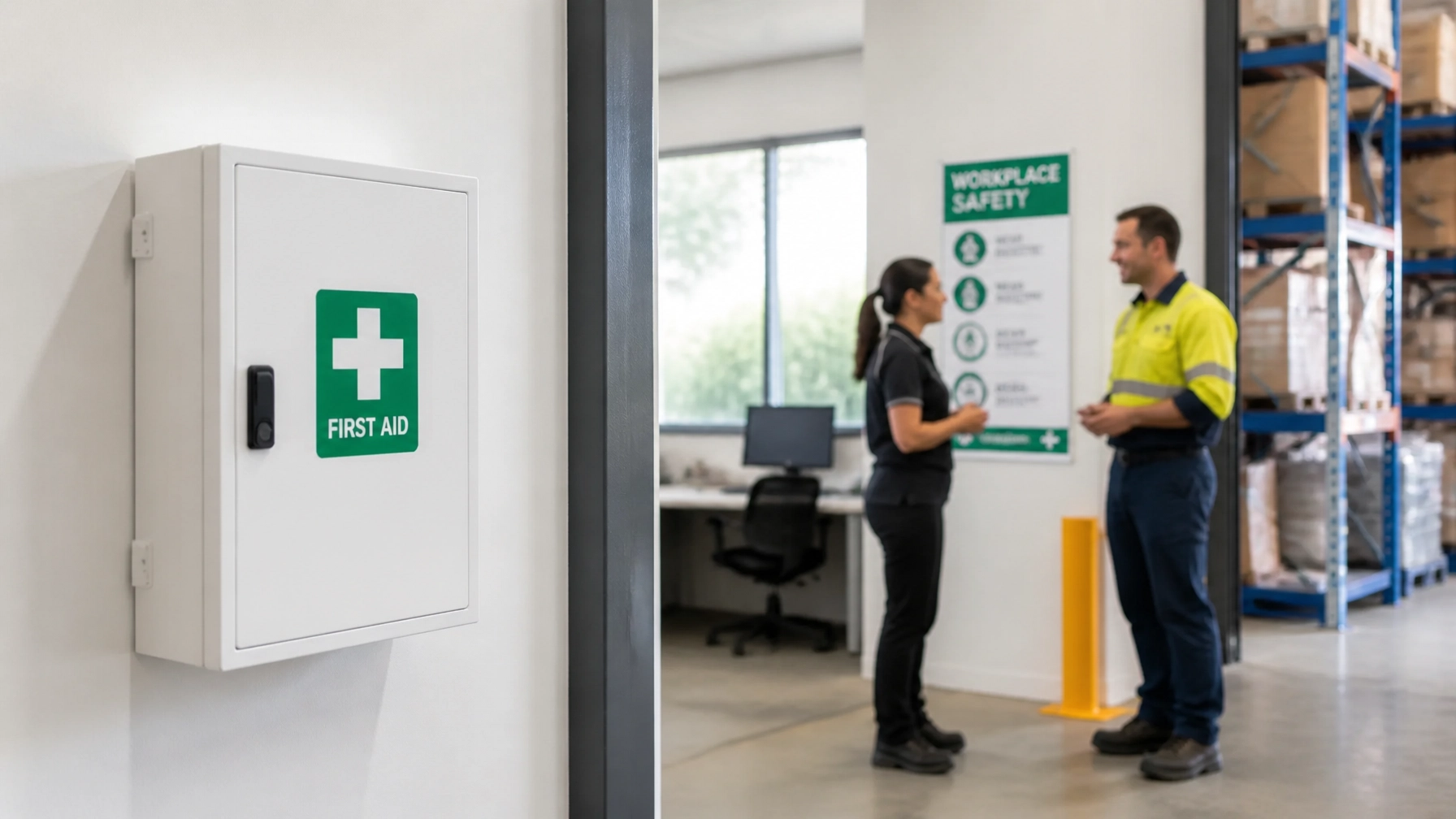
- Mark first aid kits and AEDs clearly.
- Keep access routes free from stored equipment.
- Explain who meets ambulance officers at the entrance.
- Include remote workers, vehicles and outdoor areas in your plan.
- Record incidents and near misses.
- Review controls after every significant event.
- Schedule refresher training before qualifications expire.
Employers should also consider the number of workers, work locations, shift patterns, hazards and distance from medical assistance when deciding how many first aiders are required.
This is where Corporate First Aid training can provide practical value. Yatson Training can help your organisation train suitable staff and tailor scenarios to your workplace environment.

Our recommendation: train for the conditions you actually face
Do not treat first aid training as a once-only compliance task.
Review your workplace at the beginning of winter. Ask:
- What hazards change during colder or wetter weather?
- Which workers spend time outdoors?
- Are first aid kits available where incidents are most likely?
- Can workers reach an AED quickly?
- Who is trained on each shift?
- Are CPR refreshers and first aid certificates current?
- Can your team describe the DRSABCD sequence without prompting?
Then practise realistic scenarios. An office may need to rehearse a cardiac emergency, fall or choking incident. A warehouse may need to include manual handling injuries, vehicle movement and cold loading areas. A childcare service may require HLTAID012 Childcare First Aid training for child and infant emergencies.
Yatson Training provides flexible, hands-on First Aid Training Albury Wodonga for corporate clients, small groups and individuals. Lead trainer Jackie Hislop is a Registered Nurse, and the training is designed to be interactive, practical and straightforward.
Explore the Yatson Training courses or learn more about HLTAID011 Provide First Aid training in Albury-Wodonga.
Frequently asked questions
Why is first aid training necessary if my workplace already has a first aid kit?
A first aid kit only provides equipment. It does not assess the situation, call 000, perform CPR or use an AED. Trained workers provide the response.
Is HLTAID011 suitable for Workplace First Aid certification?
Yes. HLTAID011 Provide First Aid is a nationally recognised workplace first aid unit commonly used across Australian industries. Your workplace should still assess its specific risks and training requirements.
How often should CPR be refreshed?
CPR skills should generally be refreshed every 12 months. Confirm the requirements that apply to your role and workplace.
Can Yatson Training train our whole team at work?
Yes. Yatson Training offers flexible Corporate First Aid training for workplace teams, small groups and individuals. Contact the team to discuss on-site delivery and your specific risks.
Book professional First Aid training
Prepare your team before winter hazards or medical emergencies create pressure. Telephone Yatson Training on 0450 533 179 for professional, hands-on First Aid training in Albury-Wodonga.
Visit yatsontraining.com.au to review course options, arrange Workplace First Aid certification, or discuss HLTAID009 Provide CPR, HLTAID011 Provide First Aid and HLTAID012 Childcare First Aid.
Connect with Yatson Training:
#FirstAidTraining #AlburyWodonga #FirstAidTrainingAlburyWodonga #WorkplaceSafety #WinterSafety #CorporateFirstAidTraining #WorkplaceFirstAidCertification #HLTAID011 #HLTAID009 #HLTAID012 #LearnCPR #YatsonTraining