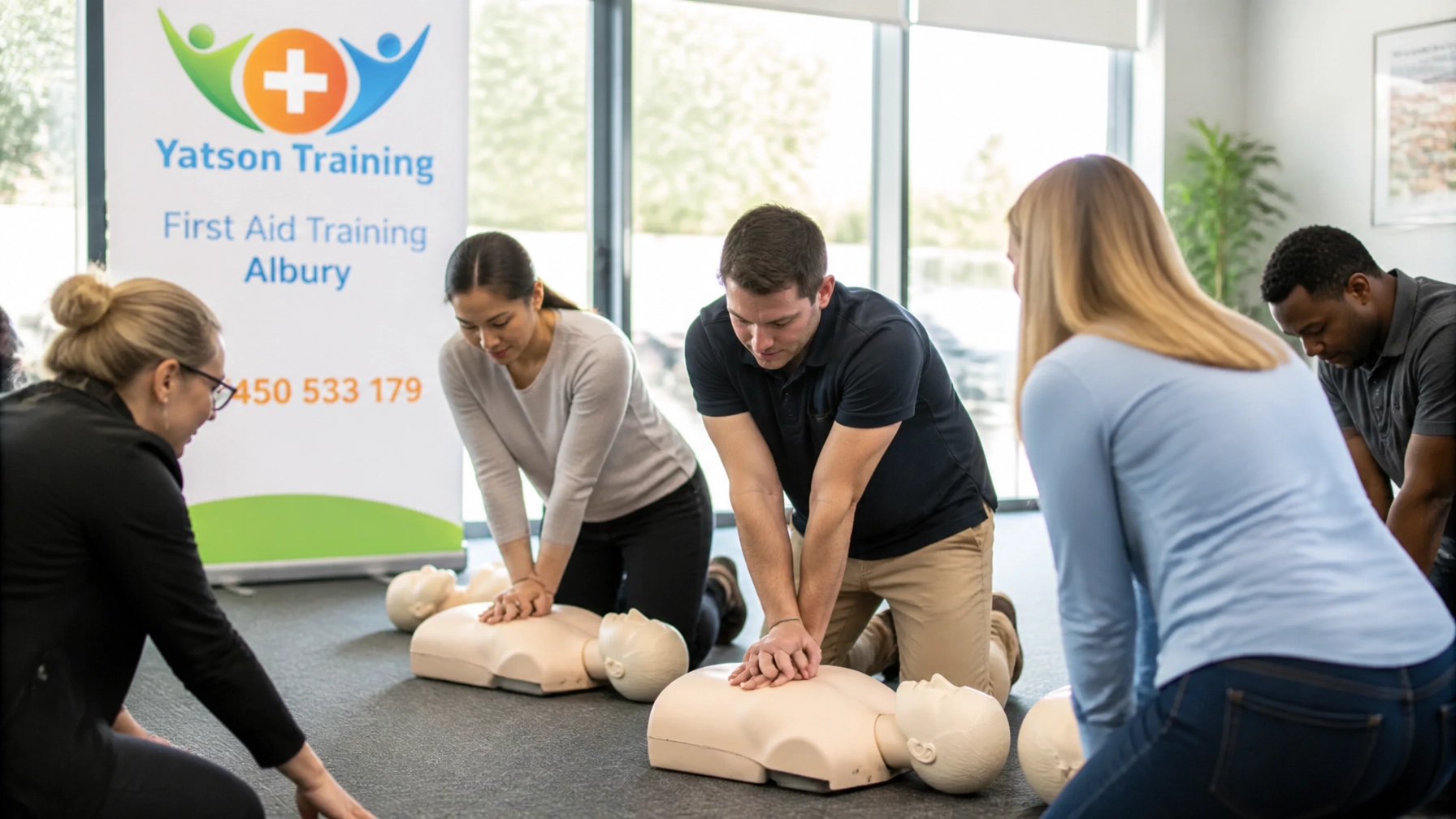

Winter in the Albury Wodonga region brings crisp mornings, biting winds, and unique workplace challenges. As temperatures drop, the physical demands and hazards on your business premises shift significantly. From slippery loading docks and overloaded heating appliances to cold stress and seasonal flu outbreaks, your work environment requires heightened vigilance. Yet, many local businesses overlook one of their most crucial safety assets: the workplace first aid kit.
If your kit has remained untouched since summer, or if you treat compliance as a once-a-year checkbox exercise, you are exposing your team to unnecessary risks. This guide explores the seven most common mistakes businesses make with their winter workplace first aid kits and outlines practical steps to fix them.
What is Workplace First Aid Kit Compliance All About?
Workplace first aid kit compliance refers to the legal and operational obligation of an employer to provide adequate, well-maintained, and accessible medical supplies that match the specific hazards of their industry. According to the national Safe Work Australia First Aid in the Workplace Code of Practice, every workplace must have appropriate equipment to treat injuries ranging from minor cuts and burns to severe trauma and shock.
In winter, your kit's function expands beyond standard office or workshop injuries. It must accommodate cold-exposure emergencies, slip-and-fall trauma, and weather-specific complications. Maintaining your kit is not merely about ticking a regulatory box, it is about ensuring your staff receive prompt, effective care when every second counts. For comprehensive guidance on setting up your safety systems, explore our Master Life-Saving Skills HLTAID011 Provide First Aid Training in Albury Wodonga page.
1. Failing to Include Cold-Weather Treatments and Thermal Gear
A frequent oversight in Australian workplaces during winter is the total absence of cold-exposure supplies. While standard kits contain bandages and antiseptic, they often lack items designed for thermal regulation.
- Mistake: Assuming thermal shock, hypothermia, or cold stress only occurs in alpine regions, leaving outdoor staff, drivers, and warehouse workers without adequate protection.
- Why it matters: Albury Wodonga winters feature sub-zero ground frosts and icy winds. Without thermal barriers, a worker experiencing shock or mild hypothermia after an accident can deteriorate rapidly.
- How to fix it: Add emergency thermal rescue blankets, chemical hand warmers, and insulated coverings to your kit. Review the expert advice on SafeWork NSW regarding cold stress management.

2. Neglecting Expired Supplies and Missing Restocks
Kits are often purchased, mounted on a wall, and completely forgotten until an emergency occurs.
- Mistake: Leaving expired saline wash, out-of-date antiseptic wipes, and degraded adhesive dressings inside the box, or failing to replace items used during previous incidents.
- Why it matters: Sterile items lose their integrity over time, risking infection. Furthermore, running out of crepe bandages or gauze during a winter slip-and-fall leaves your first aiders unprepared.
- How to fix it: Establish a monthly inspection routine. Remove any consumable within 30 days of its expiry date and restock immediately after every use. Read our insights on Boost Your Workplace Safety Instantly with These 5 HLTAID011 First Aid Tips for ongoing maintenance strategies.
3. Storing Kits in Inaccessible or Hidden Locations
Time is critical during any medical emergency. Storing your first aid equipment poorly creates dangerous delays.
- Mistake: Placing kits inside locked managers' offices, behind stacks of winter inventory, or in poorly lit hallways.
- Why it matters: When a worker slips on wet winter entryways or suffers an electrical burn from a portable heater, scrambling to find a key or navigating a cluttered storeroom delays life-saving interventions.
- How to fix it: Mount your first aid kits at eye level in central, high-visibility locations. Ensure they are never locked, and use standard green-and-white first aid signage to mark their exact position. For mobile teams, ensure dedicated kits are secured inside work vehicles.
4. Relying on Generic, Non-Compliant Kits
Many small businesses purchase generic retail kits that fail to meet Australian workplace standards.
- Mistake: Using home-grade first-aid boxes that contain only basic band-aids and lack essential components like resuscitation face shields, trauma dressings, and eye wash solutions.
- Why it matters: Non-compliant kits leave your business in breach of safety regulations and unable to manage common workplace injuries such as burns from faulty office heaters or deep lacerations from machinery.
- How to fix it: Audit your current setup against the national Code of Practice. Upgrade to workplace-grade kits tailored to your specific environment. If you operate in specialised sectors, consider whether you need supplementary equipment like an Automated External Defibrillator (AED), learn more via our guide on Do You Really Need an AED? Here's the Truth for Small Businesses and Sporting Groups.

5. Having No Designated First Aid Kit Warden
Without clear accountability, workplace maintenance naturally falls apart.
- Mistake: Assuming that "someone else" in the office or workshop is checking the first aid supplies.
- Why it matters: Shared responsibility often means zero responsibility, leading to depleted inventories, expired medications, and broken equipment going unnoticed.
- How to fix it: Appoint a specific First Aid Officer or Kit Warden responsible for monthly audits, restocking, and logging checks in a safety register. Pair this responsibility with formal qualifications by enrolling your staff in our comprehensive HLTAID011 Provide First Aid course.
6. Allowing Staff First Aid Training to Lapse
Even the best-equipped first aid kit is useless if your team does not know how to use its contents correctly during a winter crisis.
- Mistake: Relying on staff whose First Aid or CPR certification has expired, or failing to train new employees on winter-specific emergency protocols.
- Why it matters: Outdated training leads to hesitation, improper injury management (such as moving a casualty incorrectly after a slip on ice), and delayed calls to emergency services.
- How to fix it: Schedule regular refresher sessions. Yatson Training offers flexible, hands-on training for corporate clients, small groups, and individuals across Albury Wodonga. Whether you need a standard workplace certificate or a specialised Childcare First Aid course HLTAID012, our experienced trainers ensure your team is confident and ready.

7. Ignoring Winter-Specific Workplace Hazards
First aid preparedness extends beyond the physical kit to include your overall risk management strategy during the colder months.
- Mistake: Failing to assess winter hazards such as wet entryways, poor early-morning lighting, and overloaded electrical circuits powering portable heaters.
- Why it matters: Neglecting these hazards increases the frequency of slips, trips, falls, and electrical shocks, placing immense pressure on your first aid resources.
- How to fix it: Conduct a thorough seasonal risk review. Install non-slip matting near entrances, enforce strict policies on portable heater placement, and ensure your team knows how to safely inspect accident scenes before rendering aid.
Keep in Mind: Our Recommendation for Albury Wodonga Businesses
Winter safety requires a proactive approach that combines compliant equipment with practical, engaging staff education.
- Our recommendation: Do not wait for an incident to discover your first aid kit is expired or incomplete. Schedule a comprehensive audit of your workplace safety kits this week. Pair your equipment audit with professional upskilling by booking your team in for Yatson Training's trusted programs, including our industry-standard Corporate First Aid training and Learn CPR in Albury / Wodonga sessions.
For expert advice, tailored small-group bookings, or to secure your Workplace First Aid certification, please telephone Yatson Training on 0450 533 179 or visit yatsontraining.com.au today!
Frequently Asked Questions
How often should we check our workplace first aid kit during winter?
You should perform a visual check of your kit monthly and a full, detailed audit quarterly. Winter conditions and increased indoor heating can accelerate the degradation of certain supplies, making regular inspections vital.
Is professional first aid training a legal requirement for Australian employers?
Yes. Under the Model Work Health and Safety (WHS) laws and state regulations, employers must ensure access to trained first aid personnel who hold current nationally recognised qualifications such as HLTAID011 Provide First Aid.
What should I do if our first aid kit is missing critical items?
Immediately remove the kit from service or isolate it until fully restocked with compliant items specified by the Safe Work Australia Code of Practice. To arrange professional supply audits or book training, please telephone Yatson Training on 0450 533 179.

Get Winter-Ready With Yatson Training!
Ensure your business meets all compliance standards and your team possesses life-saving confidence. Contact us today:
- Phone: 0450 533 179
- Website: yatsontraining.com.au
- Connect with us: Follow Yatson Training on Facebook, LinkedIn, and Instagram for regular safety tips and course updates.
#FirstAidTraining #AlburyWodonga #WorkplaceSafety #HLTAID011 #CorporateFirstAid #WinterSafety
{“@type”:”Article”,”author”:{“url”:”https://yatsontraining.com.au”,”name”:”Yatson Training”,”@type”:”Organization”},”@context”:”https://schema.org”,”headline”:”Winter Safety Matters: 7 Mistakes You’re Making with Your Workplace First Aid Kits (and How to Fix Them)”,”publisher”:{“logo”:{“url”:”https://cdn.marblism.com/-8AyRUBMjeY.png”,”@type”:”ImageObject”},”name”:”Yatson Training”,”@type”:”Organization”},”telephone”:”0450 533 179″,”areaServed”:”Albury Wodonga”,”description”:”Discover 7 common winter mistakes made with workplace first aid kits in Australian businesses and learn how to fix them with guidance from Yatson Training in Albury Wodonga.”,”mainEntityOfPage”:{“@id”:”https://yatsontraining.com.au/insights”,”@type”:”WebPage”}}