As we move through the heart of winter in July 2026, Australian workplaces face a unique set of safety challenges. While our winters may not always involve deep snow, the combination of frost, heavy rain, and plummeting temperatures, especially in regions like Albury and Wodonga, creates significant risks for employees.
Ensuring your team is prepared with a Workplace First Aid certification is not just about compliance; it is about providing the life-saving skills training necessary to manage cold-weather emergencies effectively. At Yatson Training, we specialise in making these skills accessible and practical for every workplace.
What is Winter Workplace Safety all about?
Winter workplace safety is the proactive management of hazards specifically caused or worsened by cold weather conditions. This includes the physical environment (such as slippery surfaces) and the physiological effects of cold on the human body (such as hypothermia or reduced mobility).
The goal of winter safety is to identify these seasonal risks and implement both preventative measures and first aid protocols. When prevention fails, having a team that has undergone Corporate First Aid training ensures that injuries are managed quickly, reducing recovery time and preventing long-term complications.
Common Winter Hazards in the Australian Workplace
In Australia, the "big three" hazards during the cooler months are slips, cold exposure, and reduced visibility.
1. Slips on Wet and Frosty Surfaces
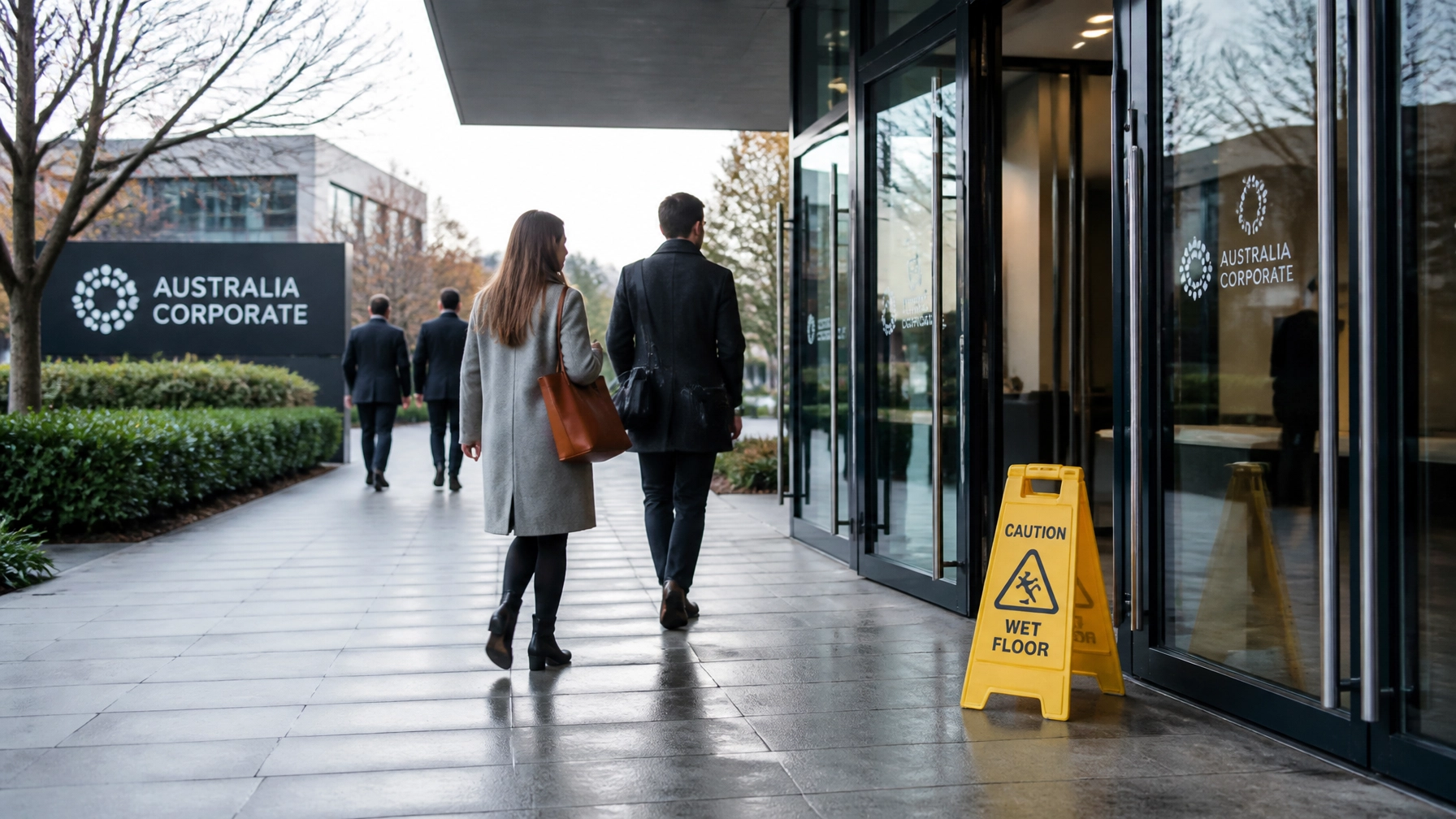
Rain and morning frost are the primary culprits for workplace falls. Lobbies, loading docks, and outdoor walkways become high-risk zones.
- The Risk: Fractures, sprains, and head injuries.
- The Cause: Water tracked in from shoes, umbrellas, and overnight frost on external stairs.
2. Hypothermia and Cold Exposure
Hypothermia occurs when the body's core temperature drops below 35°C. In regions like Albury / Wodonga, outdoor workers or those in unheated warehouses are at particular risk.
- The Risk: Organ failure or death if left untreated.
- The Cause: Prolonged exposure to cold, especially if the worker is wet (from rain or sweat).
3. Reduced Visibility and Environmental Factors
Fog and shorter daylight hours mean hazards are harder to see.
- The Risk: Vehicle accidents, trips over unseen obstacles, and falls from heights.
- The Cause: Heavy morning fog and the "early sunset" common in July.

First Aid Response: Managing Winter Injuries
When an accident happens, the first few minutes are critical. Here is how to handle the most common winter workplace injuries.
Treating Slips and Soft-Tissue Injuries
If a colleague falls on a slippery surface, follow the RICE protocol (Rest, Ice, Compression, Elevation) to manage soft-tissue damage:
- Rest: Encourage the person to stop moving the injured limb immediately.
- Ice: Apply a cold pack (wrapped in a cloth) for 15–20 minutes every two hours to reduce swelling.
- Compression: Use a firm bandage to support the area, ensuring it is not so tight that it cuts off circulation.
- Elevation: Keep the injured limb raised above the level of the heart.
Note: If you suspect a fracture or head injury, do not move the person and call 000 immediately.
Identifying and Treating Hypothermia
Early recognition is life-saving. Look for the "mumbles, stumbles, and fumbles."
Symptoms to watch for:
- Uncontrollable shivering (note: shivering may stop as the condition worsens).
- Slurred speech or dazed behaviour.
- Numbness in the extremities (hands and feet).
- Cold, pale skin.
Immediate First Aid Steps:
- Move the person to a warm, dry environment as quickly as possible.
- Remove any wet clothing carefully.
- Wrap them in dry blankets or a thermal emergency blanket.
- Apply warmth to the core (chest, neck, and groin) using warm compresses, never apply direct heat like boiling water.
- Offer a warm, non-alcoholic drink if they are fully conscious and can swallow.

Why Corporate First Aid Training is Essential in 2026
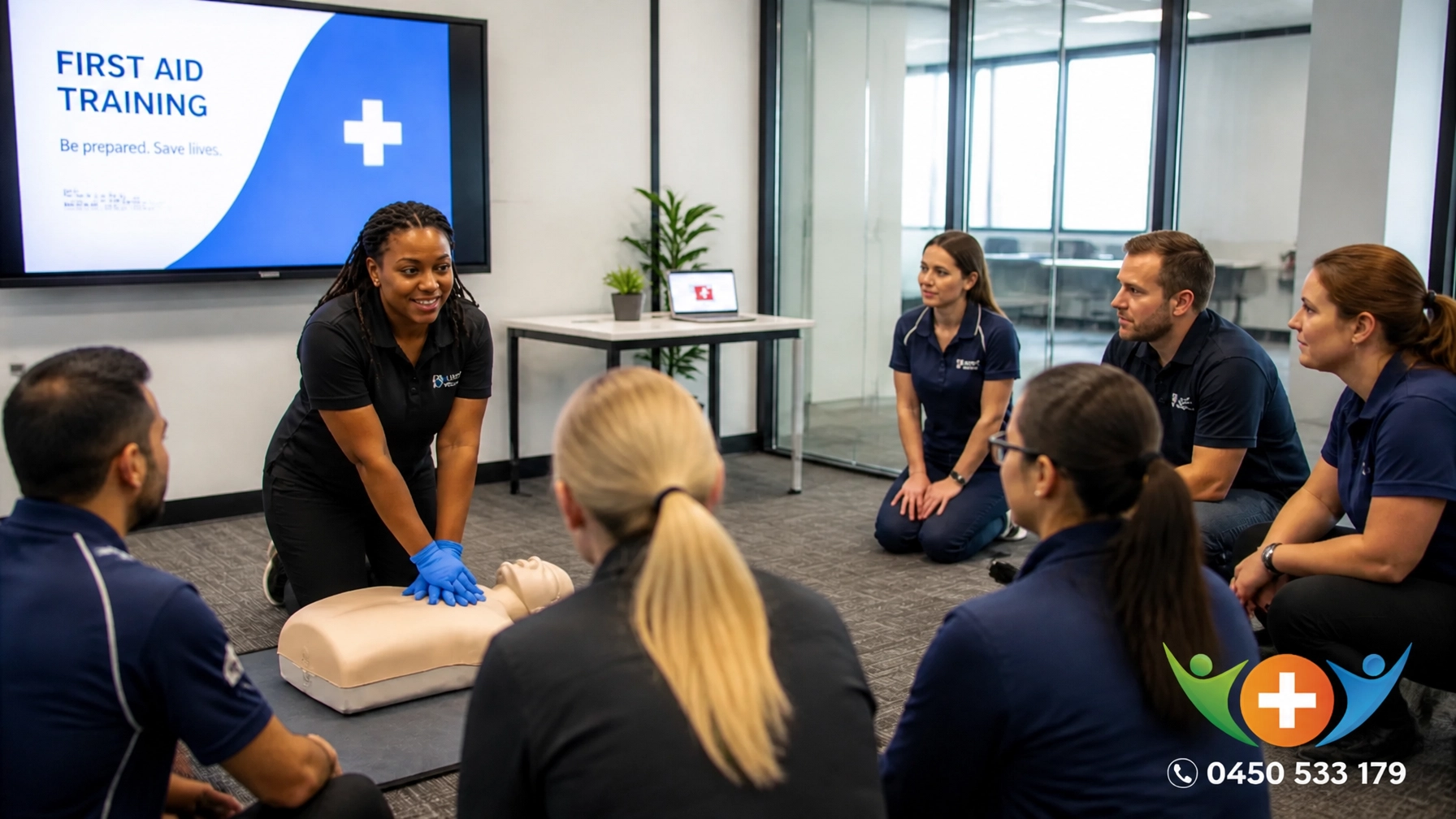
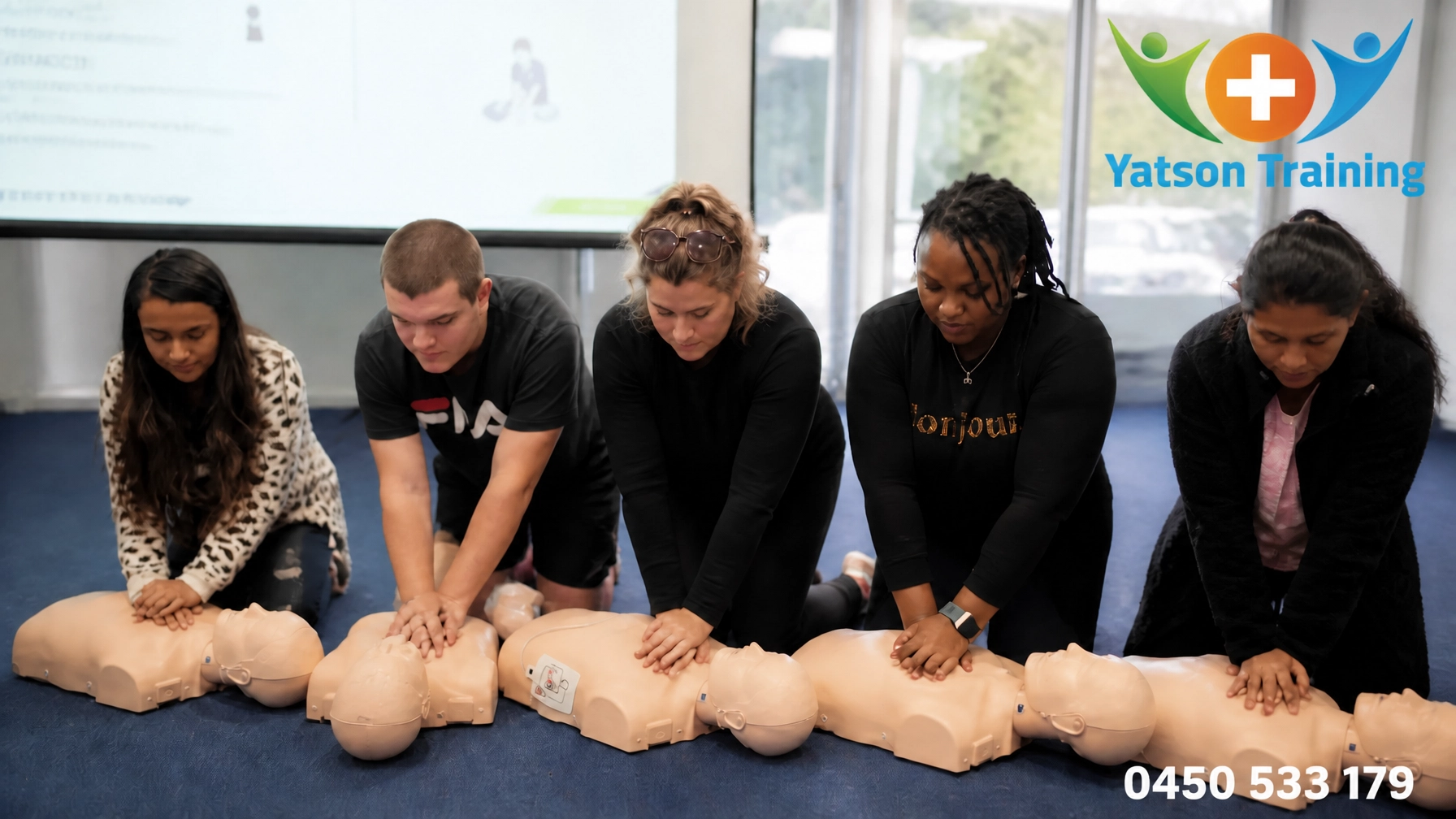
Modern workplaces are fast-paced, and safety requirements are more stringent than ever. A dry, mandatory tick-box exercise is no longer enough. To truly protect your staff, you need interactive, hands-on training that sticks.
At Yatson Training, we pride ourselves on delivering Corporate First Aid training in the Albury / Wodonga area that is engaging and medically sound. Our lead trainer, Jackie Hislop, is a Registered Nurse, bringing real-world clinical experience to every session.
Whether you are looking for Albury-specific training or Wodonga workplace sessions, we ensure your team meets and exceeds Safe Work Australia standards.
Our Recommendation: Preparing Your Team for the Rest of Winter
To maintain a safe environment through the remaining cold months, we recommend the following:
- Conduct a "Winter Walk-around": Identify areas where water pools or frost lingers and install extra matting or "Wet Floor" signs.
- Audit Your Kits: Ensure your workplace first aid kits contain thermal blankets and fresh bandages for sprains.
- Book a Refresher: If it has been more than a year since your last session, it is time to refresh those skills. Learn First Aid with Yatson Training to ensure your staff are confident when it matters most.

Frequently Asked Questions
Is first aid training mandatory for all Australian businesses?
Yes. Under the Work Health and Safety (WHS) Act, employers must ensure that an adequate number of workers are trained to administer first aid, or that workers have access to an adequate number of other people who have been trained.
How often should we renew our Workplace First Aid certification?
The standard recommendation is to renew the full HLTAID011 Provide First Aid certification every three years, with a CPR refresher every 12 months.
Can Yatson Training come to our office?
Absolutely. We specialise in on-site Corporate First Aid training for groups of all sizes. We bring all the equipment to you, making it easy and cost-effective to get your entire team certified.
Does your training cover specific child-related winter illnesses?
Yes, our Childcare First Aid course HLTAID012 is specifically designed for educators and parents, covering respiratory issues and temperature management in infants and children.
Ready to secure your workplace?
Don't wait for an accident to happen. Ensure your team has the skills to handle any winter hazard with confidence. For professional, hands-on First Aid Training in Albury / Wodonga, contact Yatson Training today.
Call us now on 0450 533 179 or visit yatsontraining.com.au to book your next session.
Follow us for more safety tips:
#FirstAidTraining #AlburyWodonga #WorkplaceSafety #WinterSafety #CorporateTraining #LifeSavingSkills #YatsonTraining #SafeWorkAustralia #FirstAidCertification
{“@type”:”BlogPosting”,”image”:”https://cdn.marblism.com/W69wJsRLVVW.webp”,”author”:{“name”:”Yatson Training”,”@type”:”Organization”},”@context”:”https://schema.org”,”headline”:”Winter Workplace Safety in Australia: Essential First Aid Tips for Cold Weather Hazards in 2026″,”publisher”:{“logo”:{“url”:”https://cdn.marblism.com/-8AyRUBMjeY.png”,”@type”:”ImageObject”},”name”:”Yatson Training”,”@type”:”Organization”},”description”:”Discover essential winter workplace safety tips and first aid responses for Australian businesses in 2026. Learn how to manage hypothermia, slips, and falls with Yatson Training.”,”datePublished”:”2026-07-17″,”mainEntityOfPage”:{“@id”:”https://yatsontraining.com.au/insights”,”@type”:”WebPage”}}