What is a Workplace Safety Plan all about?
A workplace safety plan is a formal document (or a series of procedures) that outlines how your business identifies hazards and manages risks to keep everyone safe. It is not just a folder sitting on a shelf. In Australia, a functional safety plan is a legal requirement under the Work Health and Safety (WHS) Act. Its primary function is to protect your employees, contractors, and visitors from physical harm (such as trips, falls, or cardiac arrest) and psychological injury.
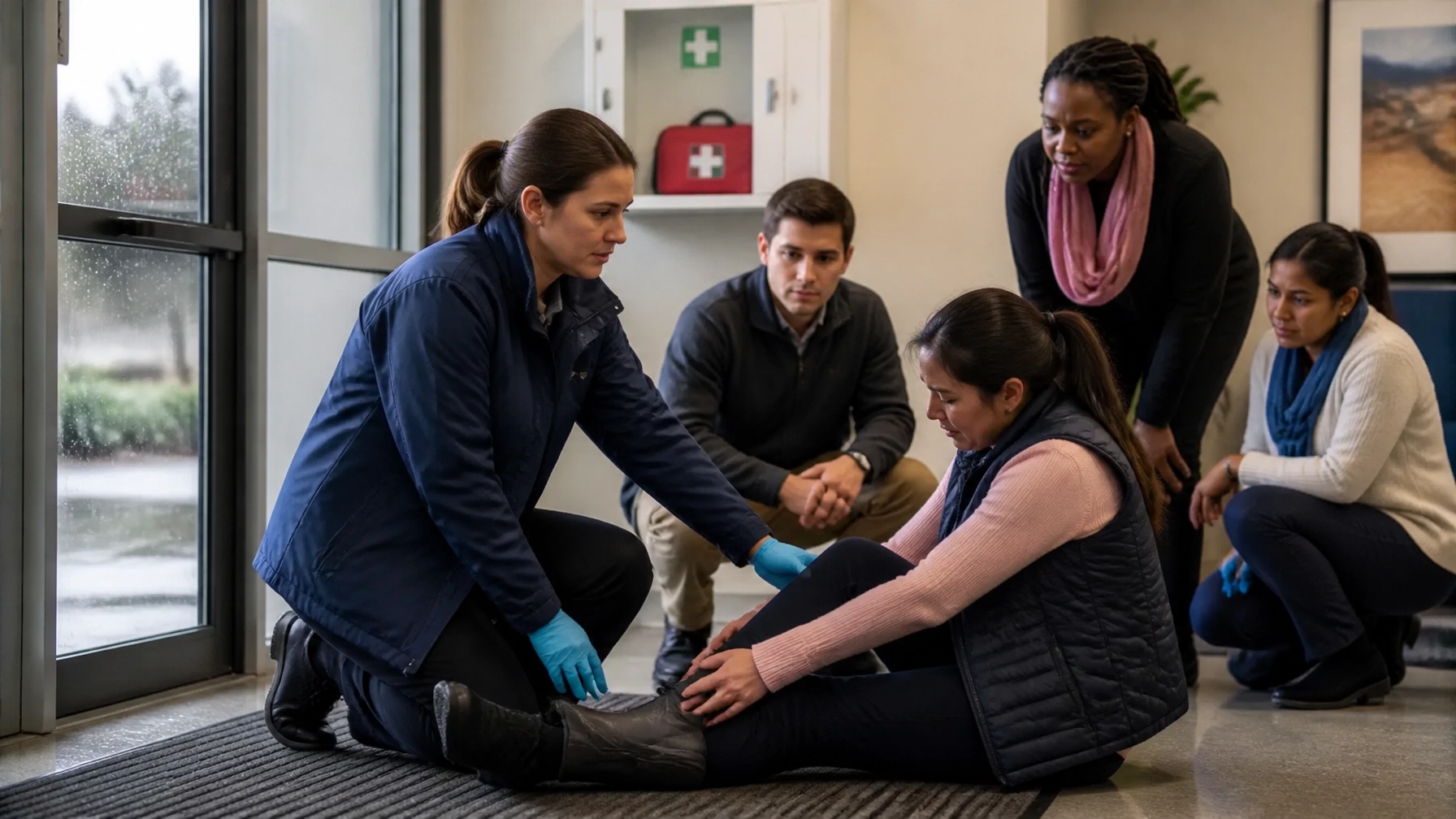
A successful plan ensures that if an emergency occurs, your team knows exactly how to respond. This includes having staff trained in HLTAID011 Provide First Aid and ensuring your equipment is ready for use. If your current plan feels like a "tick-box" exercise rather than a life-saving system, it is likely failing.
1. It’s a "Paper-Only" System
Many businesses in Albury / Wodonga have safety manuals that look impressive but are never actually put into practice. If your policies are not reviewed annually or do not reflect how your team actually works, the plan is effectively useless.
- The Problem: Documents are outdated and reference old legislation.
- The Fix: Review your WHS policies every 12 months. Make them "live" by integrating safety checks into your daily morning meetings.
2. Inadequate Training and Expired Certifications
Safety plans often fall apart because the people responsible for executing them haven't practiced their skills in years. Workplace First Aid certification is not a "one and done" task.
- The Problem: Staff members have expired certificates or lack the confidence to step up in a crisis.
- The Fix: Develop a training matrix. Track expiry dates for HLTAID011 Provide First Aid and HLTAID012 Childcare First Aid. Book regular refresher courses with Yatson Training by calling 0450 533 179.

3. Generic Risk Assessments
If your risk assessment was downloaded as a template and never adjusted for your specific site, it won't work. Every workplace has unique hazards (such as specific machinery, high-traffic zones, or remote work areas).
- The Problem: Risks like "trips and falls" are listed, but site-specific hazards are ignored.
- The Fix: Walk through your worksite. Identify real-world hazards and apply the Hierarchy of Control (eliminate, substitute, or isolate).
4. Lack of Employee Consultation
A safety plan created in a vacuum by management often fails because the frontline workers, the ones actually facing the risks, weren't consulted. In Australia, consultation is a legal duty.
- The Problem: Workers feel the safety rules are impractical or "get in the way" of the job.
- The Fix: Organise regular toolbox talks. Ask your team what they think the biggest risks are and involve them in creating the solutions.
5. Poor Equipment Maintenance
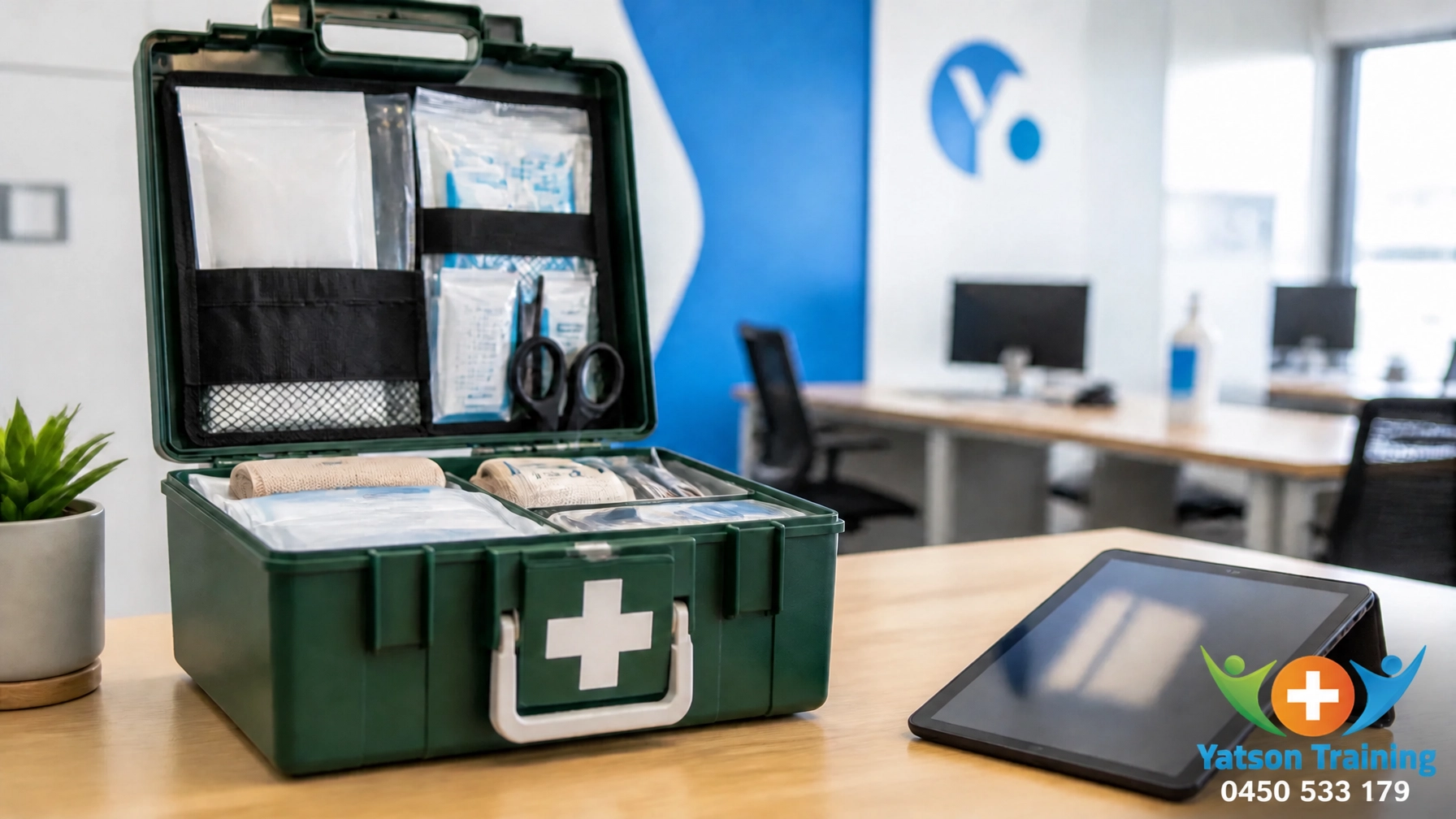
A safety plan is only as good as the tools available. If your AED (Automated External Defibrillator) pads are expired or your first aid kit is empty, your plan will fail at the moment of truth.
- The Problem: First aid kits are used as a "lolly shop" for Band-Aids without being restocked.
- The Fix: Appoint a dedicated First Aid Officer. Conduct monthly audits of all kits and emergency equipment. Not sure what you need? Check our guide on calculating first aid ratios.
6. Training is Boring and Non-Interactive
If your team dreads safety training because it’s a dry, "death-by-PowerPoint" session, they won't retain the information. Effective safety requires muscle memory and engagement.
- The Problem: Employees "zone out" during mandatory training.
- The Fix: Switch to hands-on, interactive training. At Yatson Training, we make Corporate First Aid training enjoyable and practical. Participants don't just watch; they practice chest compressions and wound management on high-quality manikins.

7. Ignoring Psychosocial Risks
Modern workplace safety plans must address mental health. Stress, bullying, and high work demands are significant hazards that can lead to physical illness or accidents.
- The Problem: The plan only focuses on hard hats and high-vis vests.
- The Fix: Include psychosocial hazards in your risk register. Provide support resources and ensure supervisors are trained to recognize signs of burnout or distress.
8. No Regular Emergency Drills
Knowing what to do in theory is different from doing it in a high-pressure situation. If you haven't run an evacuation or a medical emergency drill in the last year, your team will panic when a real incident occurs.
- The Problem: Staff don't know where the first aid kit is or who the designated first aider is.
- The Fix: Run a "mock" emergency. See how long it takes for a first aider to arrive with an AED. Evaluate the response and fix the gaps.
9. Weak Incident Reporting Culture
If your employees are afraid to report "near misses" for fear of getting in trouble, you are missing vital data that could prevent a future fatality.
- The Problem: Only major injuries are reported.
- The Fix: Encourage a "no-blame" culture. Reward staff for identifying hazards and reporting near misses. Use these reports to update your safety plan.
10. Not Keeping Up With Law Changes
WHS laws and Australian Standards change frequently. If your plan is based on 2015 guidelines, you are likely non-compliant and putting your business at risk of heavy fines.
- The Problem: Reference to "OOS" (Occupational Overuse Syndrome) instead of modern ergonomic standards, or using outdated CPR ratios.
- The Fix: Partner with a professional training provider. We stay updated with all ANZCOR guidelines so you don't have to.

How to Fix Your Safety Plan Today
Fixing a failing safety plan doesn't happen overnight, but the most critical step is ensuring your people are prepared. Hands-on First Aid training is the foundation of any safe workplace.
- Audit your kits: Check every bag and station.
- Check your certificates: Ensure at least one person per shift (or more depending on your size) holds a current HLTAID011 Provide First Aid certificate.
- Learn CPR in Albury / Wodonga: Don't wait for an accident to realize you're unprepared.
- Book professional training: Contact Yatson Training on 0450 533 179 to schedule a session at your site or ours.
Our Recommendation
At Yatson Training, we recommend that businesses go beyond the minimum compliance requirements. While the law might only require a few staff members to be trained, having a wider group of employees with life-saving skills creates a much safer culture. We suggest booking a Corporate First Aid training session annually to keep skills sharp and ensure your team is confident using an AED.
Keep in Mind
A safety plan is a promise to your employees that they will go home in the same condition they arrived. Neglecting this plan doesn't just risk a fine; it risks a life. Ensure your training is interactive and provided by experienced professionals, like our lead trainer Jackie Hislop, who is a Registered Nurse.
Frequently Asked Questions
How often should we update our workplace first aid training?
The HLTAID011 Provide First Aid certification is valid for three years, but the CPR component (HLTAID009) should be refreshed every 12 months according to Australian Resuscitation Council guidelines.
Do we really need a safety plan for a small office?
Yes. Regardless of size, every Australian business has a duty of care. Even in an office, risks like cardiac arrest, choking, or electrical fires exist.
Is it expensive to train my whole team?
Providing Workplace First Aid certification is far more cost-effective than the potential legal fees, insurance premiums, and lost productivity associated with a workplace injury. We offer competitive rates for small groups and corporate clients in Albury / Wodonga.
What is the difference between HLTAID011 and HLTAID012?
HLTAID011 is the standard "Provide First Aid" course for most workplaces. HLTAID012 is specifically designed for childcare and education settings, focusing on asthma and anaphylaxis management in children.
Ready to upgrade your workplace safety?
Don't leave your staff’s safety to chance. For professional, engaging, and hands-on First Aid training in Albury / Wodonga, telephone Yatson Training on 0450 533 179.
Visit us at yatsontraining.com.au to browse our courses and book your next session.
Follow us for more safety tips:
Facebook | Instagram
#FirstAidTraining #AlburyWodonga #WorkplaceSafety #HLTAID011 #CorporateFirstAid #SafeWorkAustralia #LifeSavingSkills #CPR #WHSCompliance
{“@type”:”BlogPosting”,”image”:”https://cdn.marblism.com/UPl-A2SNzLP.webp”,”author”:{“name”:”Yatson Training”,”@type”:”Organization”},”faqPage”:{“@type”:”FAQPage”,”mainEntity”:[{“name”:”How often should we update our workplace first aid training?”,”@type”:”Question”,”acceptedAnswer”:{“text”:”The HLTAID011 Provide First Aid certification is valid for three years, but the CPR component should be refreshed every 12 months.”,”@type”:”Answer”}},{“name”:”Do we really need a safety plan for a small office?”,”@type”:”Question”,”acceptedAnswer”:{“text”:”Yes. Every Australian business has a duty of care regardless of size.”,”@type”:”Answer”}}]},”@context”:”https://schema.org”,”headline”:”10 Reasons Your Current Workplace Safety Plan Isn’t Working (And How to Fix It)”,”publisher”:{“logo”:{“url”:”https://cdn.marblism.com/-8AyRUBMjeY.png”,”@type”:”ImageObject”},”name”:”Yatson Training”,”@type”:”Organization”},”articleBody”:”A workplace safety plan is a formal document that outlines how your business identifies hazards and manages risks… Book regular refresher courses with Yatson Training by calling 0450 533 179…”,”description”:”Discover why your workplace safety plan might be failing and learn practical steps to improve compliance and life-saving readiness in Albury / Wodonga.”,”datePublished”:”2026-05-30″,”mainEntityOfPage”:{“@id”:”https://yatsontraining.com.au/10-reasons-workplace-safety-plan-fails”,”@type”:”WebPage”}}