As winter temperatures drop across the Albury Wodonga region, outdoor worksites, logistics hubs, and even unheated indoor workplaces face a hidden hazard. Cold weather does more than make your fingers numb; it places intense physiological stress on the human cardiovascular system. When combined with physical exertion, freezing temperatures can significantly increase the risk of cardiac emergencies.
Ensuring your team knows how to respond can mean the difference between life and death. Whether you need to Learn CPR in Albury Wodonga or update your workplace compliance through HLTAID011 Provide First Aid, Yatson Training provides the hands-on expertise your team requires. Call us today on 0450 533 179 to book your session.
What is Winter Cold Cardiac Arrest Risk All About?
Winter cold cardiac arrest risk refers to the sudden cessation of normal heart activity brought on or accelerated by environmental cold stress and physical overexertion. When your body is exposed to low temperatures, blood vessels constrict to preserve core body heat. This constriction increases blood pressure and forces your heart to work harder to circulate blood throughout the body.
In addition, cold air can trigger coronary artery spasms, particularly in individuals with underlying heart conditions. When workers engage in heavy lifting, construction work, or outdoor maintenance in freezing Albury Wodonga mornings, the sudden surge in physical demand on a cold heart can precipitate a life-threatening ventricular arrhythmia or sudden cardiac arrest.
According to guidelines from the Australian Resuscitation Council (ANZCOR) and Safe Work Australia, having trained staff ready to act immediately is mandatory for maintaining a safe working environment.

Recognising the Warning Signs in Your Workplace
Identifying the early symptoms of cold stress and impending cardiac distress allows you to intervene before a full cardiac arrest occurs. Train your staff to observe colleagues closely during cold-weather shifts.
Common Symptoms of Cold Stress and Hypothermia
- Shivering: Uncontrollable shaking as the body attempts to generate internal heat.
- Fatigue and Lethargy: Sudden drop in energy levels or slowed physical movements.
- Loss of Coordination: Clumsiness, dropped tools, or difficulty operating machinery.
- Confusion and Disorientation: Slurred speech, blank stares, or irrational behaviour.
- Blue or Pale Skin: Restricted peripheral circulation in fingers, toes, and lips.
Indicators of Sudden Cardiac Arrest
- Sudden Collapse: The individual falls unconscious without warning.
- Unresponsiveness: No reaction when you shout or shake their shoulders.
- Abnormal Breathing: Absence of normal breathing, or occasional, noisy gasping (agonal respiration).
- No Pulse: Complete lack of a carotid pulse (though bystanders should focus primarily on unresponsiveness and abnormal breathing).
3 Vital CPR Skills Every Albury Wodonga Workplace Needs Now
When cardiac arrest strikes on a chilly winter morning, every second counts. Your designated workplace first aiders must master three essential competencies, fully covered in our accredited HLTAID009 Provide CPR and HLTAID011 Provide First Aid courses.
1. Rapid DRSABCD Action Plan Execution
You must initiate the DRSABCD protocol without hesitation when an emergency occurs:
- Danger: Check the scene for hazards (such as icy patches, moving plant equipment, or electrical lines).
- Response: Assess consciousness using the COWS test (Can you hear me? Open your eyes. What's your name? Squeeze my hands).
- Send for help: Call Triple Zero (0450 533 179 for emergency services) and request an Automated External Defibrillator (AED).
- Airway: Clear any obstructions and open the airway using the head-tilt, chin-lift technique.
- Breathing: Check for normal breathing for up to 10 seconds. (Ignore occasional gasps).
- CPR: Deliver continuous, high-quality chest compressions and rescue breaths.
- Defibrillation: Apply an AED immediately upon arrival.

2. Delivering Effective Chest Compressions
Proper technique ensures adequate blood flow to the brain and vital organs while waiting for professional medical help.
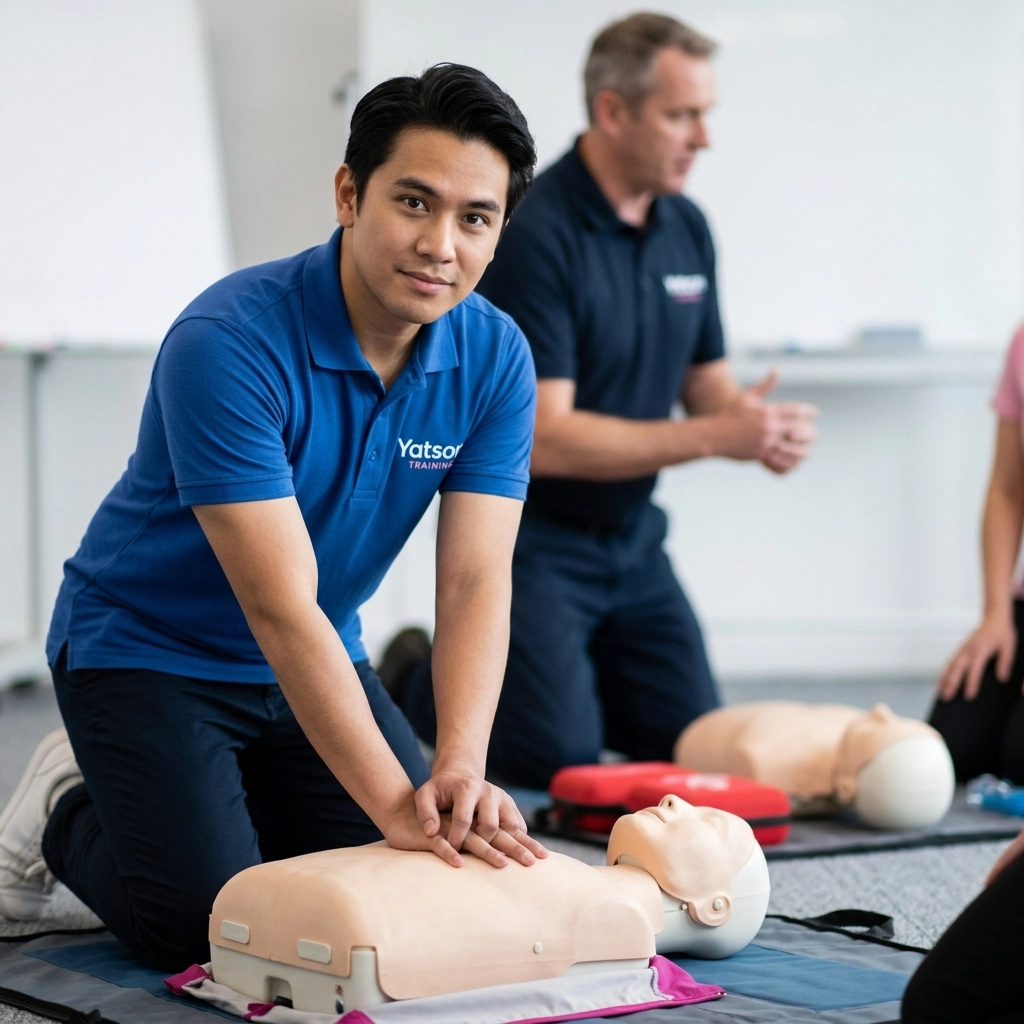
- Position: Place the heel of one hand in the centre of the casualty's chest with your other hand interlaced on top.
- Rate: Push hard and fast, maintaining a rhythm of 100 to 120 compressions per minute.
- Depth: Compress the adult chest to a depth of at least one-third of the chest diameter (approximately 5 centimetres).
- Recoil: Allow the chest to recoil completely between every compression to let the heart refill with blood.
3. Confident AED Operation in Cold Environments
Automated External Defibrillators save lives, but winter conditions require specific care:
- Dry the chest: If the worker is wet from rain, snow, or heavy sweat, wipe the chest thoroughly before applying adhesive electrode pads.
- Remove thermal layers: Quickly peel back winter jackets and shirts to ensure direct skin contact for the pads.
- Follow voice prompts: Listen carefully to the device instructions and ensure no one touches the casualty when the AED analyses rhythm or delivers a shock.
Keep in Mind: Practical Recommendations for Albury Wodonga Employers
Preparation is your strongest defense against winter workplace emergencies. Implement these practical measures across your business today:
- Schedule regular refresher training: Skills fade over time. Ensure your team completes annual CPR updates and full First Aid certificate renewals every three years.
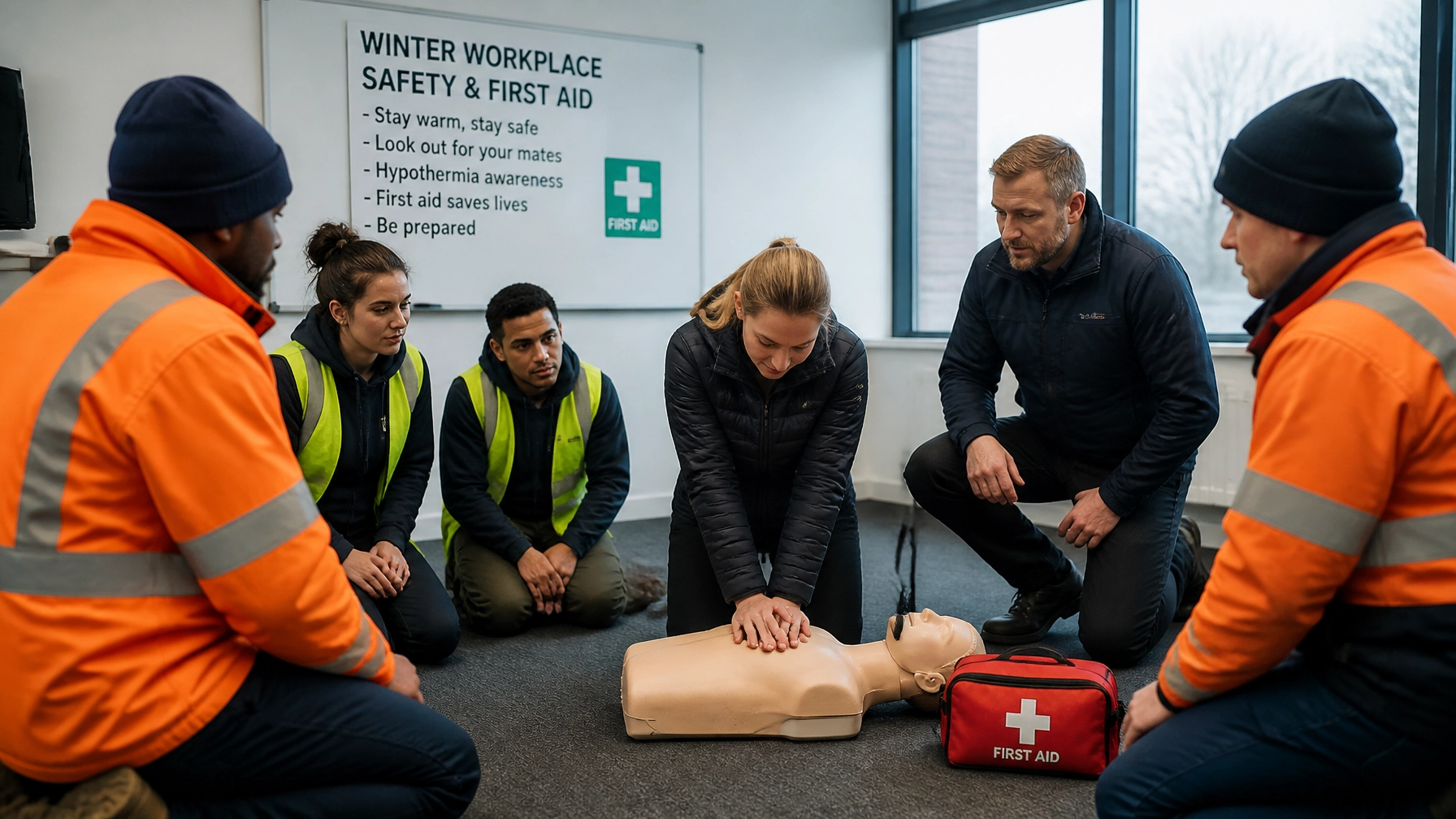
- Establish a buddy system: Pair outdoor workers together so they can monitor each other for early signs of hypothermia and fatigue.
- Provide adequate shelter: Set up warm-up stations equipped with hot beverages and dry blankets.
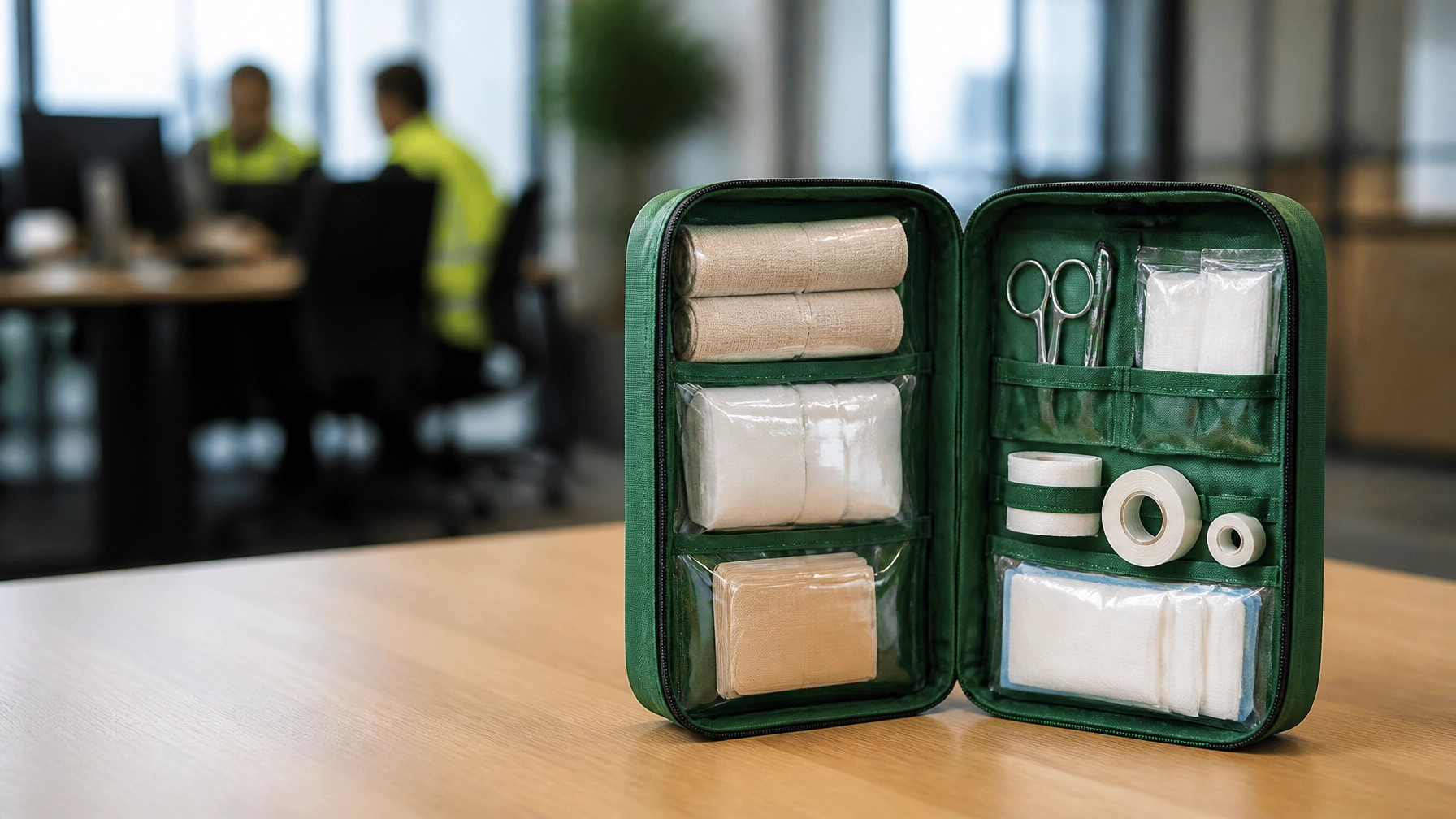
- Inspect your first aid kits: Verify that your workplace first aid kits contain thermal blankets, foil wraps, and fully charged, tested AED units.
For tailored corporate training packages, call Yatson Training on 0450 533 179 to discuss your compliance requirements.

Frequently Asked Questions
Can cold weather alone cause someone to have a cardiac arrest?
While cold exposure primarily triggers underlying cardiovascular disease or induces severe hypothermia that leads to cardiac arrest, extreme cold also places sudden, heavy strain on the heart muscle: making winter work particularly hazardous.
How often do employees need to renew their CPR certification?
Under Australian industry standards, CPR certification (HLTAID009) must be renewed every 12 months, while comprehensive First Aid certification (HLTAID011) must be renewed every three years.
Does Yatson Training offer onsite corporate sessions in Albury Wodonga?
Yes. Yatson Training provides flexible, engaging, and hands-on training for corporate clients, small groups, and individuals throughout Albury Wodonga and surrounding regions. Led by experienced Registered Nurse Jackie Hislop, our courses make compliance enjoyable and interactive.
Get in touch with Yatson Training today:
- Telephone: 0450 533 179
- Website: yatsontraining.com.au
- Connect with us on social media: Facebook | LinkedIn
Ready to secure your workplace? Do not wait for an emergency to test your safety standards. Call Yatson Training on 0450 533 179 or visit yatsontraining.com.au/courses to book your hands-on training session now!
#FirstAidTraining #AlburyWodonga #WorkplaceSafety #HLTAID011 #LearnCPR #WinterSafety #YatsonTraining
{“@type”:”BlogPosting”,”image”:”https://cdn.marblism.com/PR-TfGjC5qi.webp”,”author”:{“url”:”https://yatsontraining.com.au”,”name”:”Yatson Training”,”@type”:”Organization”},”@context”:”https://schema.org”,”headline”:”Can Winter Cold Really Trigger Cardiac Arrest? 3 Vital CPR Skills Every Albury Wodonga Workplace Needs Now”,”publisher”:{“logo”:{“url”:”https://cdn.marblism.com/-8AyRUBMjeY.png”,”@type”:”ImageObject”},”name”:”Yatson Training”,”@type”:”Organization”},”description”:”Discover how winter cold triggers cardiac arrest risks in Albury Wodonga workplaces and master the 3 vital CPR skills your team needs. Book professional first aid training with Yatson Training.”,”datePublished”:”2026-07-31″,”mainEntityOfPage”:{“@id”:”https://yatsontraining.com.au”,”@type”:”WebPage”}}