
As the temperature drops across the Murray region, local businesses face distinct environmental challenges. From frosty mornings in Albury to biting winds sweeping across Wodonga, winter brings hazards that can compromise employee health, operational continuity, and legal compliance. Implementing robust Winter Safety measures is no longer optional; it is a fundamental requirement for maintaining a secure and productive environment.
At Yatson Training, we provide professional, hands-on First Aid training tailored to corporate clients, small groups, and individuals. In this guide, we explore the core winter hazards facing regional workplaces, how proper preparation mitigates risk, and why equipping your team with skills like HLTAID011 Provide First Aid is essential.
What is Winter Workplace Safety All About?
Winter Workplace Safety encompasses the systematic identification, assessment, and control of physical risks introduced or exacerbated by cold weather conditions. Functionally, it acts as a protective barrier between environmental hazards, such as freezing surfaces, reduced daylight, and seasonal illnesses, and your workforce.
When temperatures plummet, the physiological demands on your staff change. Circulation slows, reaction times can be impacted by cold stress, and walking surfaces become treacherous due to moisture, frost, or ice. Without proactive controls, businesses risk increased absenteeism, workplace injuries, and costly compensation claims. According to guidelines from Safe Work Australia and regional oversight from SafeWork NSW, employers have a clear duty of care to manage these seasonal risks effectively.
Identifying Key Winter Workplace Hazards in Albury Wodonga
Operating a business in regional New South Wales and Victoria requires understanding specific local weather patterns. To protect your operations, look out for the following primary hazards:
- Slips, Trips, and Falls: Early morning frosts, rain, and muddy tracks around warehouses, construction sites, and office entryways create severe slip hazards.
- Cold Stress and Exposure: Outdoor workers, logistics personnel, and staff in unheated storage facilities face risks of hypothermia, frostbite, and decreased manual dexterity.
- Electrical and Fire Risks: Increased usage of portable space heaters, overloaded power boards, and proximity to combustible materials (such as paper or packaging) elevate fire hazards.
- Seasonal Illness Transmission: Colder months force employees indoors in poorly ventilated spaces, accelerating the spread of influenza and respiratory infections.

Essential Process for Mitigating Winter Risks
Mitigating seasonal hazards requires a structured, step-by-step approach. Use the following imperative guidelines to safeguard your workplace before winter peaks:
- Conduct a comprehensive winter hazard assessment of your premises, focusing on car parks, walkways, entries, and outdoor work zones.
- Install heavy-duty absorbent matting at all entry points to capture moisture and prevent slippery indoor floors.
- Inspect all portable heating equipment, ensuring a strict one-metre clearance rule from curtains, boxes, and combustible materials.
- Provide appropriate PPE, including thermal layers, waterproof outerwear, and slip-resistant footwear for outdoor or refrigerated environments.
- Enforce strict hygiene policies, including regular hand sanitisation and mandatory rest periods for staff working in cold conditions.
Recognising and Responding to Winter Medical Emergencies
When winter injuries or illnesses occur, immediate recognition and rapid intervention save lives. Your team must be trained to identify and respond to key symptoms:
- Hypothermia Symptoms: Shivering, confusion, slurred speech, lethargy, and loss of physical coordination.
- Frostbite Signs: Numbness, pale or waxy skin texture, and stiff joints in fingers, toes, nose, or ears.
- Cardiac Stress Indicators: Chest tightness, shortness of breath, and sudden dizziness (triggered by physical exertion in freezing temperatures).
- Slip and Fall Trauma: Severe bruising, suspected fractures, head injuries, or lacerations resulting from ground-level falls.
Our Recommendation: Hands-On First Aid Training
Preventative measures alone cannot eliminate every risk. When an emergency happens, the difference between a minor incident and a critical outcome relies entirely on the competence of your on-site responders.
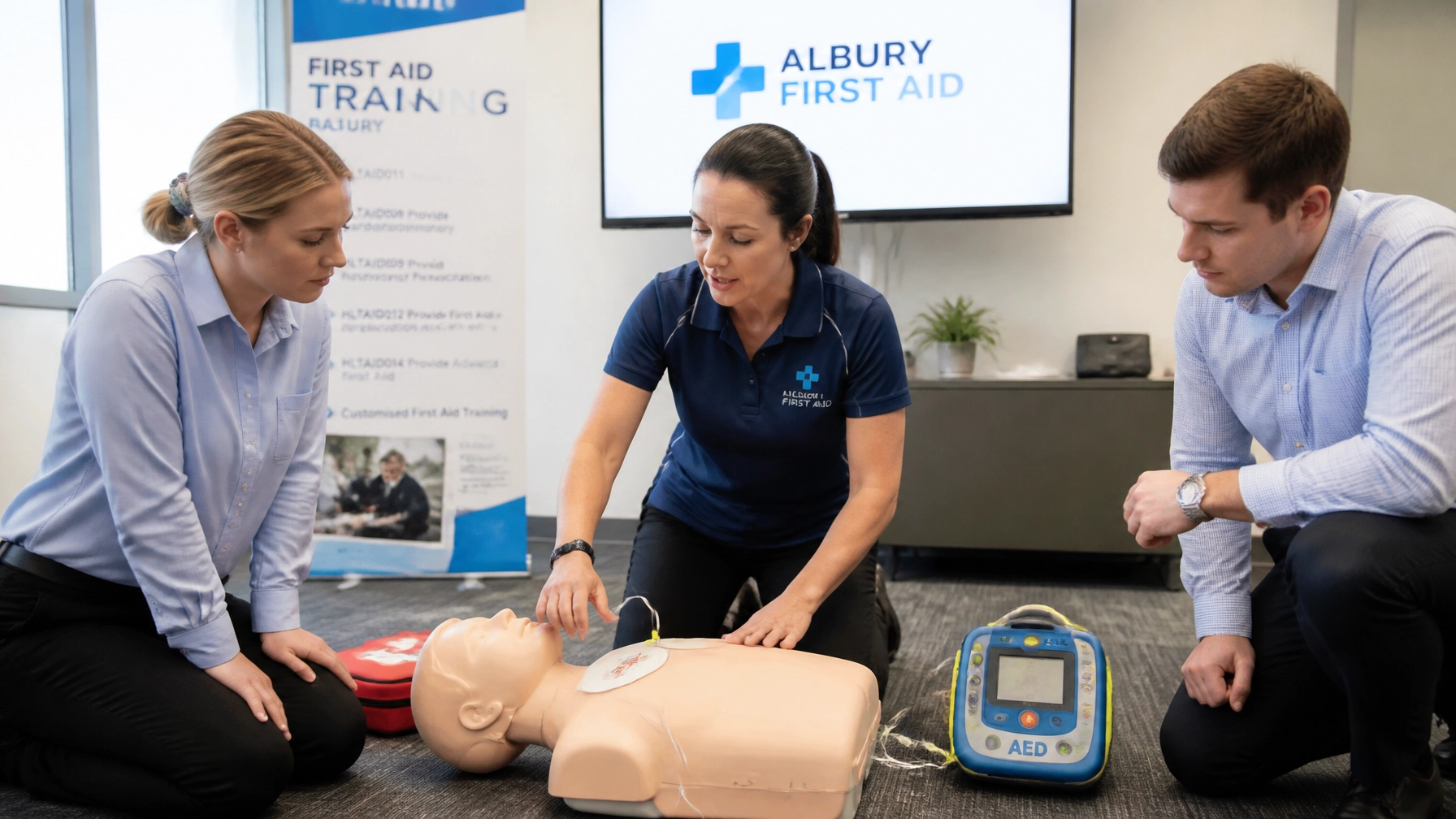
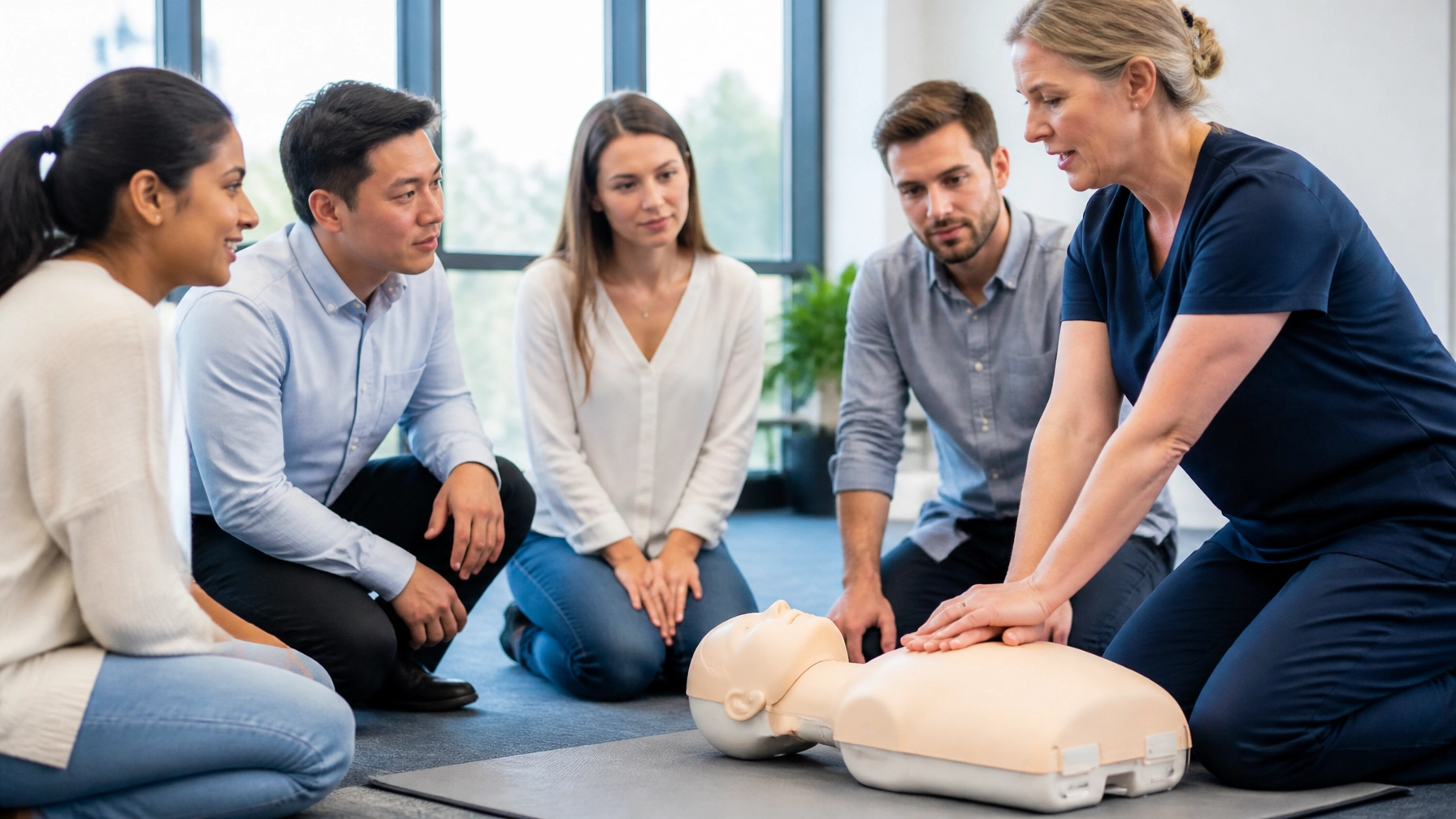
Our recommendation is clear: do not rely on online-only or theoretical compliance certificates. Enrol your team in comprehensive, practical courses such as HLTAID011 Provide First Aid or learn CPR in Albury Wodonga through Yatson Training. Led by experienced professionals, including lead trainer Jackie Hislop, a Registered Nurse (RN), our sessions are interactive, engaging, and directly applicable to real-world workplace scenarios.

Call Yatson Training today on 0450 533 179 or visit yatsontraining.com.au to secure your team's certification. You can also explore our HLTAID011 Provide First Aid Training in Albury Wodonga and read more expert tips on our Yatson Training Insights page.

Keep in Mind: Practical Preventative Advice
- Maintain First Aid Kits: Restock your workplace kits specifically for winter by including thermal emergency blankets, instant heat packs, and additional moisture barriers.
- Schedule Regular Refreshers: Skills degrade over time; ensure your designated first aid officers update their CPR training annually and their full First Aid certification every three years.
- Encourage Open Communication: Empower staff to report cold stress, faulty heating units, or slip hazards immediately without hesitation.

Frequently Asked Questions
Why is winter First Aid training more critical for Albury Wodonga businesses?
Cold weather increases the incidence of slips, cardiovascular strain, and cold-exposure injuries. Having certified staff ensures immediate, life-saving care while waiting for emergency services in regional areas.
How often should employees complete Workplace First Aid certification?
Under Australian workplace health and safety guidelines, CPR certification must be renewed every 12 months, and the broader Provide First Aid course (HLTAID011) is required every three years.
Can Yatson Training accommodate on-site corporate group training?
Yes. Yatson Training offers flexible, hands-on training tailored for corporate clients, small businesses, and community groups across Albury, Wodonga, and surrounding regions.
Secure Your Workplace Today
Do not wait for an incident to test your safety protocols. Ensure your business remains compliant, prepared, and protected all winter long.
For professional Corporate First Aid training, Learn CPR in Albury Wodonga, or to book your team, please telephone Yatson Training directly on 0450 533 179, visit our website at yatsontraining.com.au, or check out our latest updates and resources.
#FirstAidTraining #AlburyWodonga #WorkplaceSafety #WinterSafety #HLTAID011 #CorporateFirstAid #YatsonTraining
{“@type”:”BlogPosting”,”author”:{“name”:”Yatson Training”,”@type”:”Organization”},”@context”:”https://schema.org”,”headline”:”Essential Winter Workplace Safety Tips for Albury Wodonga Businesses”,”publisher”:{“url”:”https://yatsontraining.com.au”,”logo”:{“url”:”https://cdn.marblism.com/-8AyRUBMjeY.png”,”@type”:”ImageObject”},”name”:”Yatson Training”,”@type”:”Organization”},”telephone”:”0450 533 179″,”areaServed”:{“name”:”Albury Wodonga”,”@type”:”Place”},”description”:”Discover essential winter workplace safety tips for Albury Wodonga businesses, covering slip prevention, cold stress, and why professional First Aid training is crucial.”,”mainEntityOfPage”:{“@id”:”https://yatsontraining.com.au/essential-winter-workplace-safety-tips-albury-wodonga”,”@type”:”WebPage”}}