
As winter settles across Albury-Wodonga, crisp frosty mornings and plummeting temperatures bring unique environmental hazards to local workplaces. Whether your team operates outdoors in construction, agriculture, and logistics, or in unheated warehouses and coolrooms, cold stress is a real operational risk. Ensuring your staff have completed their HLTAID011 Provide First Aid certification is not just a box-ticking exercise; it is an essential safeguard for your team's health and safety.
At Yatson Training, led by experienced Registered Nurse Jackie Hislop, we provide engaging, hands-on First Aid Training Albury Wodonga programs designed to equip your workplace with practical, life-saving capabilities. Read on to discover the five essential skills your team needs to manage hypothermia and winter emergencies effectively.
What is Winter Hypothermia First Aid all about?
Winter hypothermia first aid involves the rapid recognition, immediate prevention of further heat loss, and safe management of a person whose core body temperature has dropped below 35°C due to environmental exposure. (Normal core temperature sits around 37°C.)
Within the nationally recognised HLTAID011 Provide First Aid unit, hypothermia response is a critical component of managing environmental exposure and sudden illness. When cold conditions overwhelm the body's natural heat-generating mechanisms (such as shivering and vasoconstriction), vital organs begin to suffer. Without prompt intervention by a trained first aider, mild confusion can rapidly escalate into cardiac arrest.
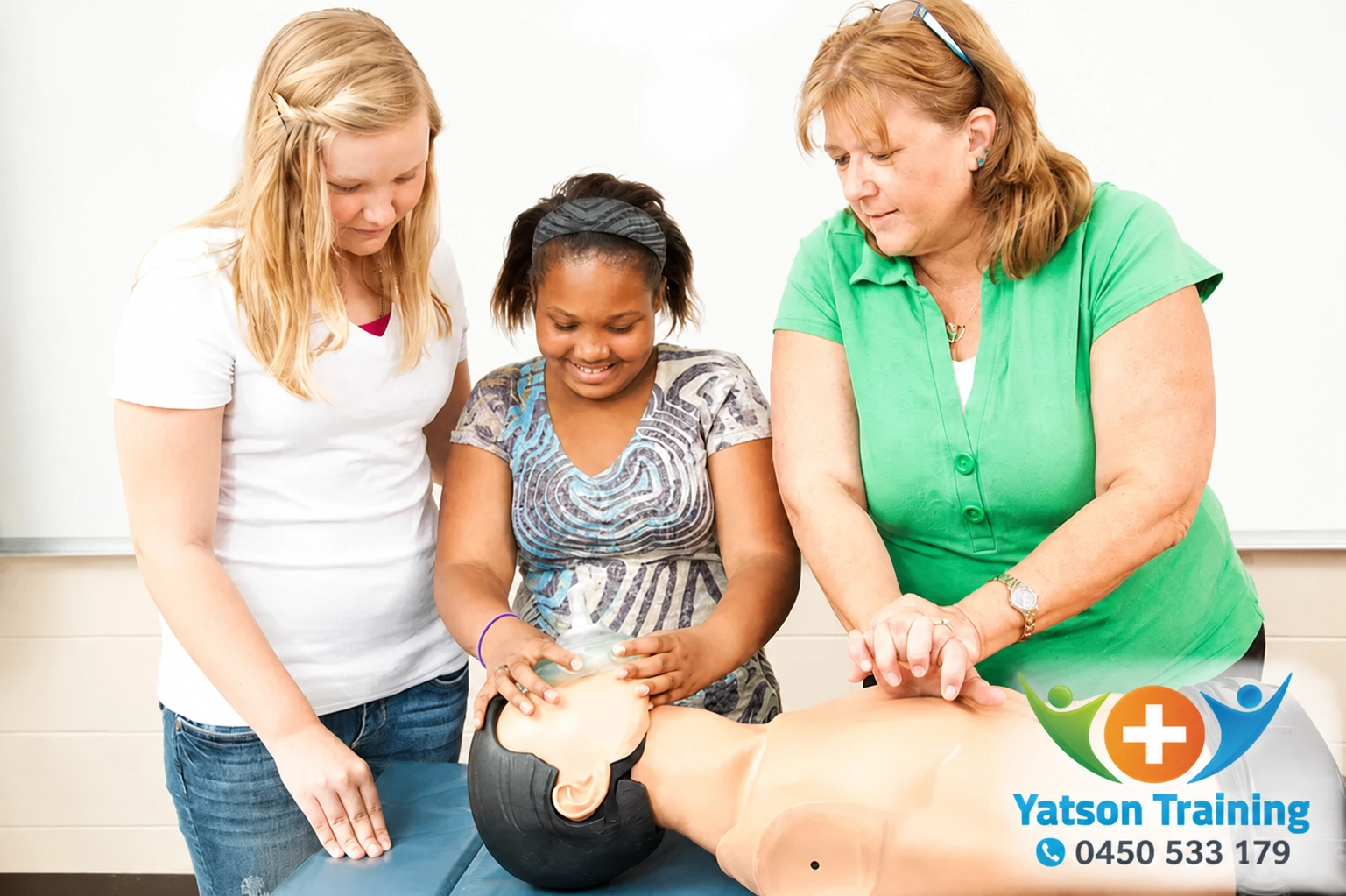
Our Workplace First Aid certification courses at Yatson Training emphasise practical, interactive learning so your team can act decisively when seconds count. You can explore our upcoming session schedules directly on our courses page.
Recognising the Signs and Symptoms of Hypothermia in the Workplace
Early identification is your first line of defence. Symptoms typically progress through distinct stages as core body temperature drops:
- Mild Hypothermia Symptoms:
- Intense, uncontrollable shivering (though this may cease in severe cases).
- Cold, pale skin and numbness in fingers and toes.
- Slurred speech, mild confusion, and clumsiness (dropping tools or equipment).
- Fatigue, apathy, or uncharacteristic irritability.
- Severe Hypothermia Symptoms:
- Shivering stops completely.
- Profound confusion, disorientation, or memory loss.
- Extremely slow, weak pulse and shallow breathing.
- Loss of consciousness or unresponsiveness.
If you suspect a colleague is suffering from cold stress, treat the situation as an emergency immediately.

The 5 Life-Saving Skills for Winter First Aid (HLTAID011)
When managing a cold-stress casualty in your Albury-Wodonga workplace, follow these structured procedures aligned with current Safe Work Australia guidelines:
1. Follow DRSABCD and Send for Help
- Check for Danger: Ensure the immediate environment is safe and remove the casualty from wind, rain, and freezing surfaces.
- Check Response: Assess if the person responds to voice or gentle touch.
- Call Triple Zero (000): Immediately call for an ambulance if moderate to severe hypothermia is suspected.
- Check Breathing: Open the airway and check for normal breathing. If breathing is absent or abnormal, commence CPR immediately. (For professional guidance on CPR standards, consult the Australian Resuscitation Council).
2. Prevent Further Heat Loss
- Move the Casualty: Shelter the person inside a warm building, vehicle, or designated heated break area.
- Handle Gently: Avoid rough handling or vigorous movement, which can trigger dangerous heart rhythms in severely cold casualties.
- Insulate from Ground: Place thick blankets, sleeping bags, or dry padding underneath the person.
3. Remove Wet Clothing and Insulate
- Strip Wet Layers: Carefully remove wet clothing (such as damp shirts, jackets, or socks) as moisture drains body heat 25 times faster than dry air.
- Apply Dry Cover: Wrap the casualty in dry blankets, thermal insulation, or emergency foil wraps, ensuring the head is covered while keeping the face visible.
4. Implement Gradual Core Re-Warming
- Focus on the Core: Apply warm packs, hot water bottles (wrapped securely in towels), or heated compresses to the neck, armpits, and groin.
- Avoid Extremities: Do not apply direct heat to cold hands and feet, as this forces cold blood back into the core too quickly.
- Avoid Rapid Heat: Never use electric heaters, open fires, or hot baths directly on the casualty.
5. Provide Warm Fluids (If Conscious)
- Offer Sips: If the casualty is fully conscious, alert, and able to swallow safely, provide warm, sweet, non-alcoholic liquids.
- Strict Prohibitions: Never administer alcohol, caffeine, or food to an unconscious or semi-conscious individual.
Keep in Mind: Practical Recommendations for Albury-Wodonga Teams
At Yatson Training, led by Registered Nurse Jackie Hislop, we understand the physical realities of working through cold winters in regional Victoria and New South Wales. Keep these practical recommendations in mind for your workplace:
- Prioritise Hands-On Training: Standard online quizzes cannot prepare your team for the physical reality of managing a hypothermic casualty. Choose our interactive, face-to-face training options.
- Implement a Buddy System: Encourage outdoor workers to monitor each other for shivering, slurred speech, and coordination lapses.
- Maintain Compliant Kits: Ensure your first aid kits include thermal blankets and appropriate winter provisions. For more compliance insights, read our guide on boosting workplace safety with HLTAID011 tips.

Frequently Asked Questions (FAQ)
How often should my team renew their HLTAID011 Provide First Aid certification?
Under industry standards, CPR components must be updated annually, while the full HLTAID011 Provide First Aid certification is valid for three years. Regular refresher training ensures your team retains critical muscle memory for winter emergencies.
Does Yatson Training cater to small businesses and corporate groups?
Yes! We offer flexible, hands-on training tailored for corporate clients, small local groups, and individual participants across Albury-Wodonga and surrounding regions. We deliver engaging sessions that make compliance straightforward and enjoyable.
How can I book our upcoming winter first aid training session?
Securing your team's training is simple. You can view course availability and book directly via our courses page, or speak with our friendly team directly.
Secure Your Workplace Safety Today
Don't leave your winter workplace safety to chance. Equip your staff with confidence, compliance, and life-saving competence through professional training tailored to real-world conditions.
For all your First Aid training needs, corporate bookings, or course inquiries, please telephone Yatson Training on 0450 533 179 or visit our website at yatsontraining.com.au today!

#FirstAidTraining #AlburyWodonga #WorkplaceSafety #HLTAID011 #WinterSafety #CorporateFirstAid #JackieHislopRN #YatsonTraining
{“@type”:”Article”,”author”:{“name”:”Jackie Hislop RN”,”@type”:”Person”},”@context”:”https://schema.org”,”headline”:”Hypothermia & Winter First Aid: 5 Life-Saving Skills Every Albury-Wodonga Team Needs This Winter (HLTAID011)”,”publisher”:{“url”:”https://yatsontraining.com.au”,”logo”:{“url”:”https://cdn.marblism.com/-8AyRUBMjeY.png”,”@type”:”ImageObject”},”name”:”Yatson Training”,”@type”:”Organization”,”contactPoint”:{“@type”:”ContactPoint”,”telephone”:”+61-450-533-179″,”contactType”:”customer service”}},”description”:”Discover 5 essential winter first aid skills for Albury-Wodonga workplaces. Learn how to manage hypothermia with HLTAID011 Provide First Aid certification from Yatson Training.”,”datePublished”:”2026-07-29″,”mainEntityOfPage”:”https://yatsontraining.com.au/hypothermia-winter-first-aid-albury-wodonga”}