
What is Seasonal Workplace First Aid Readiness All About?
Seasonal workplace readiness involves anticipating the distinct physical risks that accompany changing weather patterns in your local region. As the Albury Wodonga area transitions from the biting frosts of late winter into the variable, warming days of early spring, your work environment undergoes rapid physical transformations. (These environmental shifts directly impact pedestrian safety, outdoor equipment operation, and physiological stress levels among your staff.)
Maintaining compliance with SafeWork NSW and national model regulations means your business must proactively assess how seasonal hazards affect everyday operations. Whether you manage a corporate office, a construction site, or a small local enterprise, your safety protocols must adapt. Investing in proper Workplace First Aid certification ensures your team is never caught unprepared.
1. Slips, Trips, and Falls from Winter Ice to Spring Mud
The most immediate physical danger during the winter-to-spring transition stems from unstable ground conditions. Late winter often leaves hard frost and black ice on pathways, while early spring brings heavy rainfall, runoff, and widespread mud. (This sudden shift in surface traction dramatically increases the incidence of severe sprains, bone fractures, and head injuries across commercial and industrial sites.)
Protecting your workers requires strict adherence to site safety housekeeping and robust emergency response preparedness. Ensure your staff know how to stabilize injured colleagues while awaiting professional medical transport.
- Inspect walkways daily: Check all outdoor access routes, car parks, and loading bays for standing water, slippery mud, and lingering ice patches.
- Enforce footwear standards: Require your workers to wear sturdy, waterproof footwear equipped with non-slip treads appropriate for changing outdoor conditions.
- Clear drainage promptly: Remove leaves and debris that block spring runoff from pooling near high-traffic walkways.
- Call for help immediately: Dial emergency services and notify your designated first aider if a worker suffers a suspected fracture or significant head trauma.

2. Rapid Temperature Fluctuations and Cold Stress
Springtime in regional New South Wales and Victoria is notorious for erratic weather. You might experience near-freezing temperatures during early morning commutes, only to face warm, high-exertion conditions by midday. (This sharp meteorological contrast catches many outdoor and mobile workers off guard, leading to improper clothing choices and subsequent thermal stress.)
When workers wear excessive winter gear into warm afternoon hours, the risk of dehydration and heat exhaustion spikes. Conversely, damp conditions combined with brisk morning winds can induce mild hypothermia. Equipping your team with comprehensive skills through our HLTAID011 Provide First Aid course prepares them to recognize these vital signs instantly.
- Encourage layered clothing: Advise your team to dress in breathable layers that can be easily removed as ambient temperatures rise.
- Monitor hydration levels: Supply fresh drinking water and mandate regular rest breaks in shaded or sheltered areas.
- Recognize hypothermia symptoms: Watch for uncontrollable shivering, slurred speech, lethargy, and clumsiness in cold environments.
- Treat cold stress promptly: Move affected personnel to a warm environment, remove wet clothing, wrap them in dry thermal blankets, and offer warm, non-alcoholic fluids if conscious.
3. Outdoor Activity and Seasonal Biological Hazards
As warmer weather encourages outdoor work, agricultural tasks, and landscaping projects, biological hazards become significantly more active. Insects, snakes, and aggressive flora emerge from winter dormancy, posing direct sting and bite risks to your workforce. (Anaphylactic reactions to bee, wasp, or jumper ant stings represent a true medical emergency requiring immediate, decisive intervention.)
Your workplace first aid kit must reflect these biological realities. If your business operates outdoors in Albury Wodonga, staff must be trained to handle venomous bites and stings with absolute precision.
- Check venom management supplies: Ensure your first aid kits contain broad-band compression bandages for snake and funnel-web spider bites.
- Verify allergy medications: Inspect workplace epinephrine auto-injectors (EpiPens) to guarantee they are unexpired and stored correctly.
- Apply the pressure-immobilization technique: Wrap a firm elastic bandage over the entire bitten limb starting from the site, keeping the patient completely still.
- Call 0450 533 179 or emergency services instantly if systemic allergic symptoms or breathing difficulties develop.

4. Unstable Ground and Equipment Safety Risks
Thawing ground during early spring creates dangerous instabilities for heavy machinery, scaffolding, and temporary structures. When frozen earth melts, supporting soil can shift unexpectedly beneath vehicles and weight-bearing loads. (This hidden mechanical hazard frequently results in vehicle bogging, structural slips, and crushing injuries on industrial and construction sites.)
Operational safety relies on thorough pre-work inspections and strict adherence to equipment weight distribution rules. Your designated safety officers must evaluate ground firmness before deploying heavy assets.
- Assess soil saturation: Check bearing capacities before setting up mobile plant equipment, cranes, or ladders on unpaved ground.
- Use load distribution sills: Place timber sole boards or spreader pads underneath outriggers to distribute weight evenly across muddy soil.
- Inspect electrical leads: Ensure all outdoor power tools and extension cords are rated for wet conditions and protected by safety switches (RCDs).
- Stop work immediately: Halt operations if ground shifting or severe weather compromises site stability.
5. Outdated Workplace First Aid Kits and Depleted Supplies
Winter usage often depletes vital medical items in your workplace first aid stations. From thermal rescue blankets and cold packs to adhesive bandages and burn dressings, neglected kits leave businesses vulnerable during spring emergencies. (Failing to maintain compliant first aid inventories is a direct breach of workplace health and safety legislation.)
Regular auditing ensures your facilities meet all legal standards and remain ready for seasonal incidents. For expert guidance on compliance, explore our resources on workplace first aid compliance.
- Audit quarterly: Inspect every kit in your facility at the change of each season.
- Replenish expired items: Check antiseptic wipes, eye wash solutions, and sterile dressings for validity dates.
- Add seasonal items: Include insect repellent, additional blister treatments, and heavy-duty thermal wraps for outdoor mobile crews.
- Review accessibility: Confirm all staff know the exact physical location of the nearest fully stocked first aid kit.

Keep in Mind: The Importance of Professional First Aid Training
Navigating seasonal workplace hazards requires more than just well-stocked kits; it demands trained, confident personnel. Dry, theoretical manuals cannot replace practical muscle memory built through hands-on practice. (When an emergency strikes in your workplace, hesitation wastes precious seconds.)
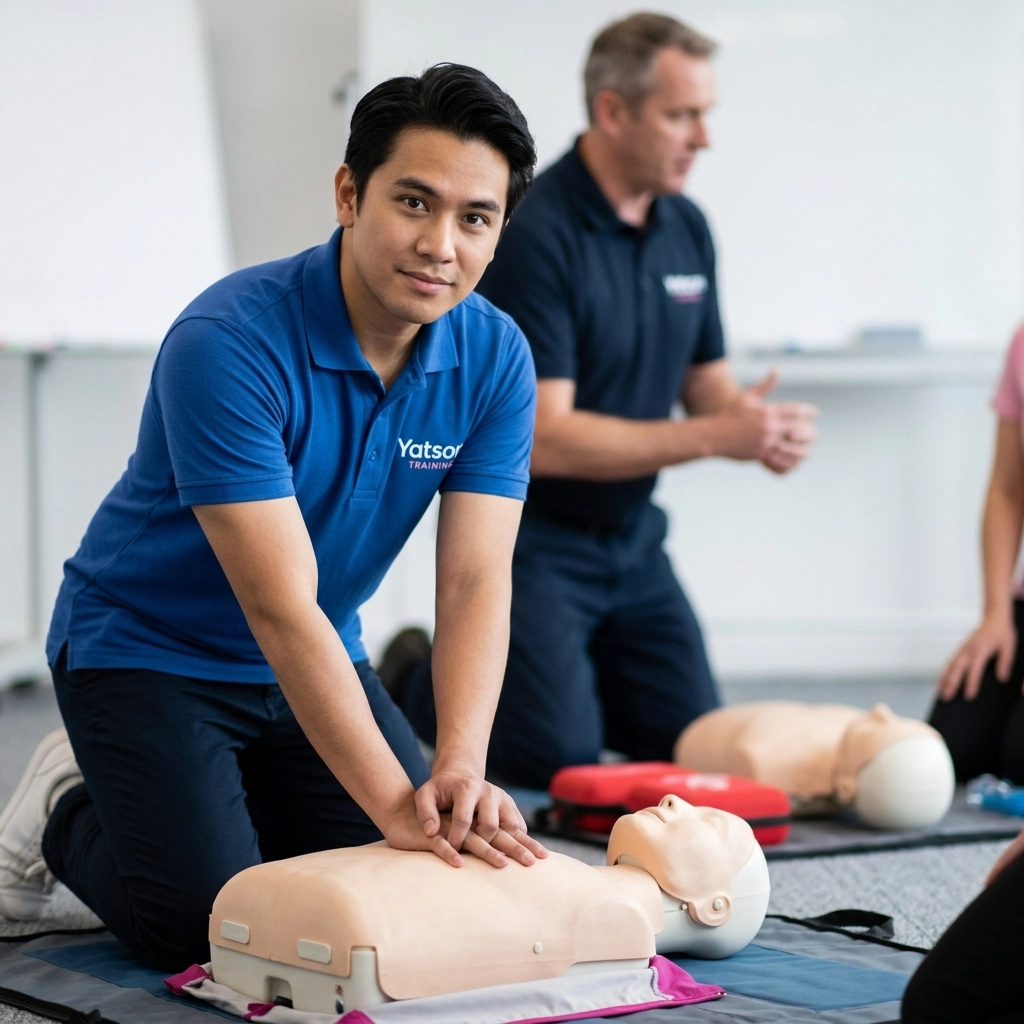
Yatson Training delivers professional, engaging First Aid Training Albury Wodonga wide, led by experienced medical professionals including our lead trainer Jackie Hislop, a Registered Nurse (RN). We specialize in Corporate First Aid training tailored to your exact industry requirements, ensuring your team exceeds standard compliance mandates. Whether you need a Childcare First Aid course HLTAID012 or general corporate sessions, we provide full support from initial inquiry to final certification.
- Book flexible sessions: We accommodate corporate clients, small groups, and individuals with tailored scheduling.
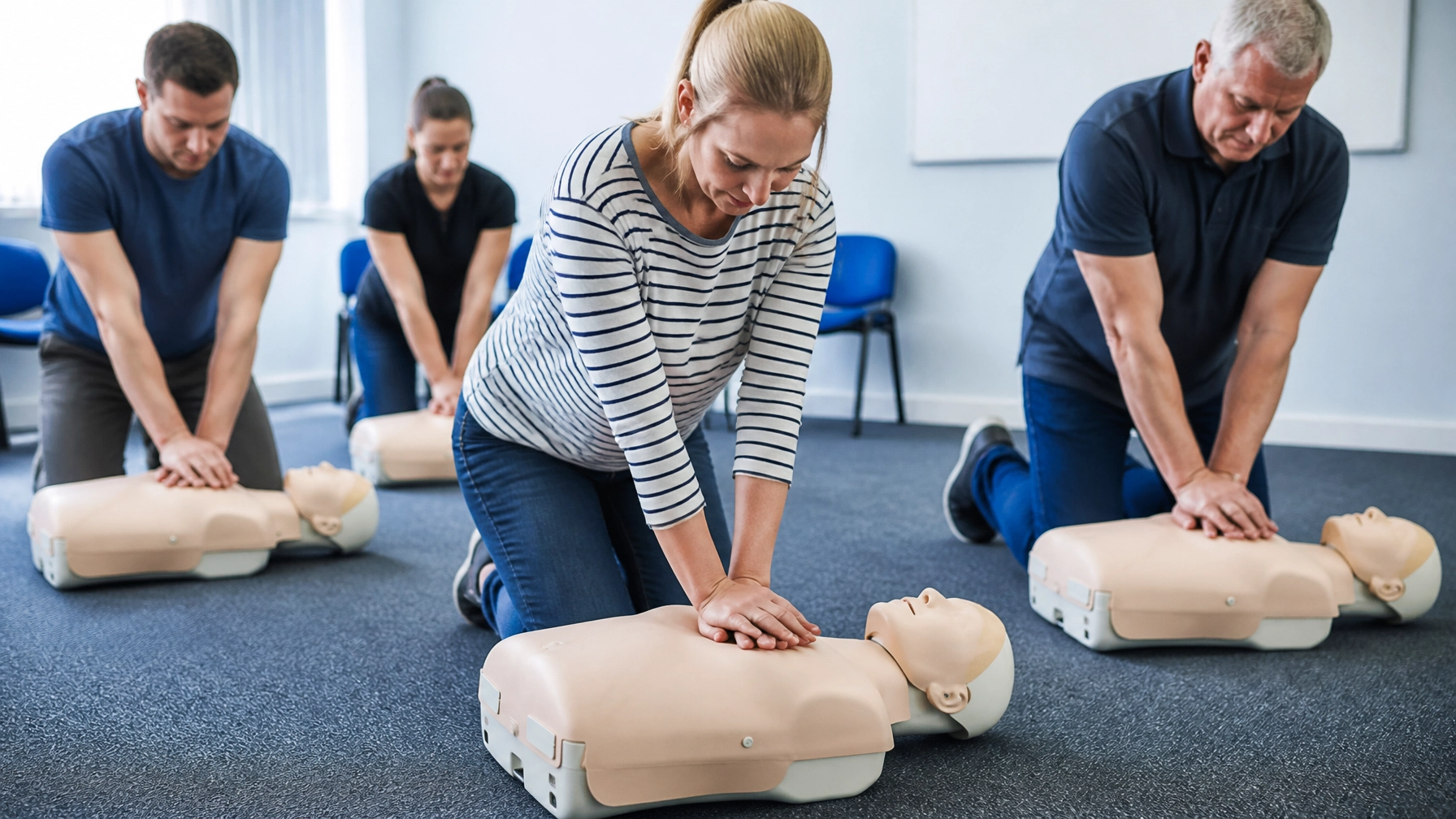
- Emphasize interactive learning: Build real confidence with practical manikins, AED trainers, and realistic scenario drills.
- Ensure regulatory alignment: Keep your business fully compliant with SafeWork NSW guidelines.
- Connect with our team: Call Yatson Training today on 0450 533 179 or visit yatsontraining.com.au to secure your booking.
Frequently Asked Questions
Why is the winter-to-spring transition particularly risky for workplaces?
Rapid weather shifts, fluctuating temperatures, thawing mud, and emerging biological hazards combine to create unpredictable physical risks. Workers shifting between indoor heating and outdoor elements face elevated rates of slips, cold stress, and insect stings.
How often should my business inspect workplace first aid kits?
You should conduct a thorough audit of all first aid kits at least every three months, as well as immediately following any seasonal transition or major workplace incident.
What qualifications do my workplace first aiders need?
Under SafeWork NSW guidelines, designated first aiders should hold a current certificate in HLTAID011 Provide First Aid, renewed every three years, with CPR components refreshed annually.
How can Yatson Training help our Albury Wodonga business?
We provide expert, hands-on First Aid Training Albury Wodonga businesses rely on. From corporate group bookings to individual certifications, our courses are engaging, practical, and fully compliant. Call us directly on 0450 533 179 to discuss your training needs.
Secure Your Workplace Safety Today
Don't leave your team's safety to chance this spring. Equip your workplace with industry-leading knowledge and certified competence.
For professional training bookings, tailored corporate packages, and expert advice, telephone Yatson Training on 0450 533 179 or visit our official website at yatsontraining.com.au today! Connect with us on our social channels to stay updated on upcoming course dates and safety tips.

#FirstAidTraining #AlburyWodonga #WorkplaceSafety #HLTAID011 #CorporateTraining #FirstAidCertified
{“@type”:”BlogPosting”,”image”:”https://cdn.marblism.com/9d6BG_1Y77D.webp”,”author”:{“url”:”https://yatsontraining.com.au”,”name”:”Yatson Training”,”@type”:”Organization”},”@context”:”https://schema.org”,”headline”:”Winter-to-Spring Transition: 5 First Aid Hazards Every Albury Wodonga Workplace Should Prepare For”,”publisher”:{“logo”:{“url”:”https://cdn.marblism.com/-8AyRUBMjeY.png”,”@type”:”ImageObject”},”name”:”Yatson Training”,”@type”:”Organization”},”description”:”Discover 5 critical first aid hazards during the winter-to-spring transition in Albury Wodonga workplaces and how professional training keeps your team safe.”,”datePublished”:”2026-08-01″,”mainEntityOfPage”:{“@id”:”https://yatsontraining.com.au”,”@type”:”WebPage”}}